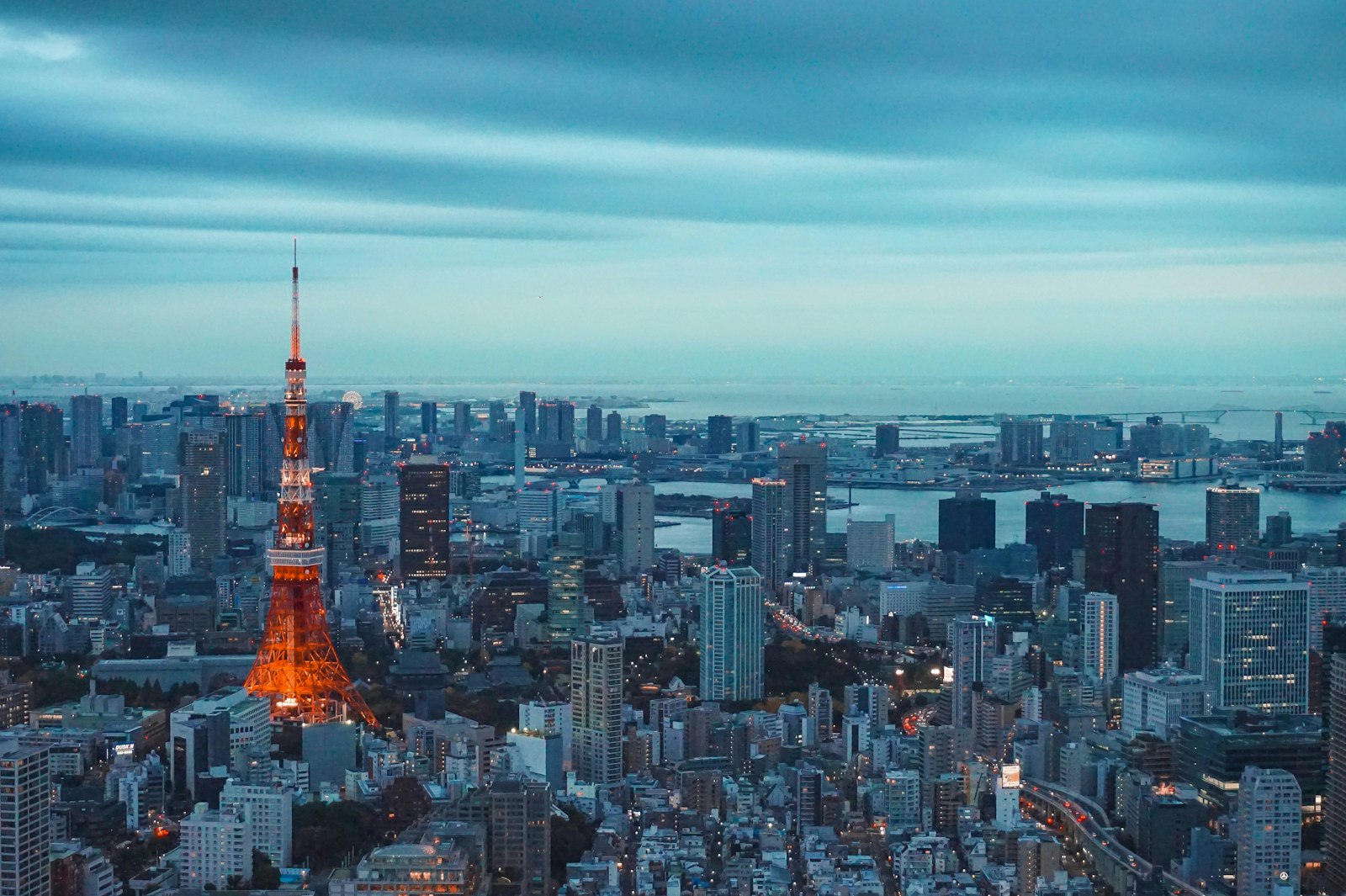
- Tokyo 4-Day Itinerary at a Glance
- Day 1: Shibuya, Harajuku & Shinjuku (West Tokyo)
- Day 2: Asakusa & Ueno (East Tokyo)
- Day 3: Tsukiji, Ginza & the Imperial Palace (Central Tokyo)
- Day 4: Odaiba (Tokyo Bay)
- Transfer Times Between Clusters
- Practical Notes
- Recommended Travel Insurance
- Recommended Tours & Activities
As an Amazon Associate, we earn from qualifying purchases linked in this post.
This Tokyo 4-Day Itinerary is built for solo travelers who want an efficient, backtrack-free route through the city’s four key clusters along the Yamanote Line loop.
Tokyo looks intimidating on a map — 23 wards, a train network with more lines than most cities have roads — but the tourist core actually collapses into four walkable-ish clusters strung along (or just off) the JR Yamanote Line loop. This 4-day route keeps each day inside one cluster and uses the Yamanote Line itself, plus one metro line and one automated waterfront line, as the connective tissue. The goal is the same as any time-optimized city route: minimize the minutes spent moving between sights so more of the day is spent inside them.
Tokyo 4-Day Itinerary at a Glance
| Day | Area | Highlights | Main transport |
|---|---|---|---|
| Day 1 | West Tokyo (Shibuya/Harajuku/Shinjuku) | Shibuya Crossing, Shibuya Sky, Meiji Jingu, Shinjuku Gyoen | Yamanote Line + walking |
| Day 2 | East Tokyo (Asakusa/Ueno) | Senso-ji, Nakamise-dori, Ueno Park, Tokyo National Museum | Ginza Line + Yamanote Line |
| Day 3 | Central Tokyo (Tsukiji/Ginza/Imperial Palace) | Tsukiji Outer Market, Ginza, Imperial Palace East Gardens | Yamanote Line + walking |
| Day 4 | Odaiba (Tokyo Bay) | teamLab or Disney (choose one), waterfront, Rainbow Bridge views | Yurikamome Line |
Day 1: Shibuya, Harajuku & Shinjuku (West Tokyo)
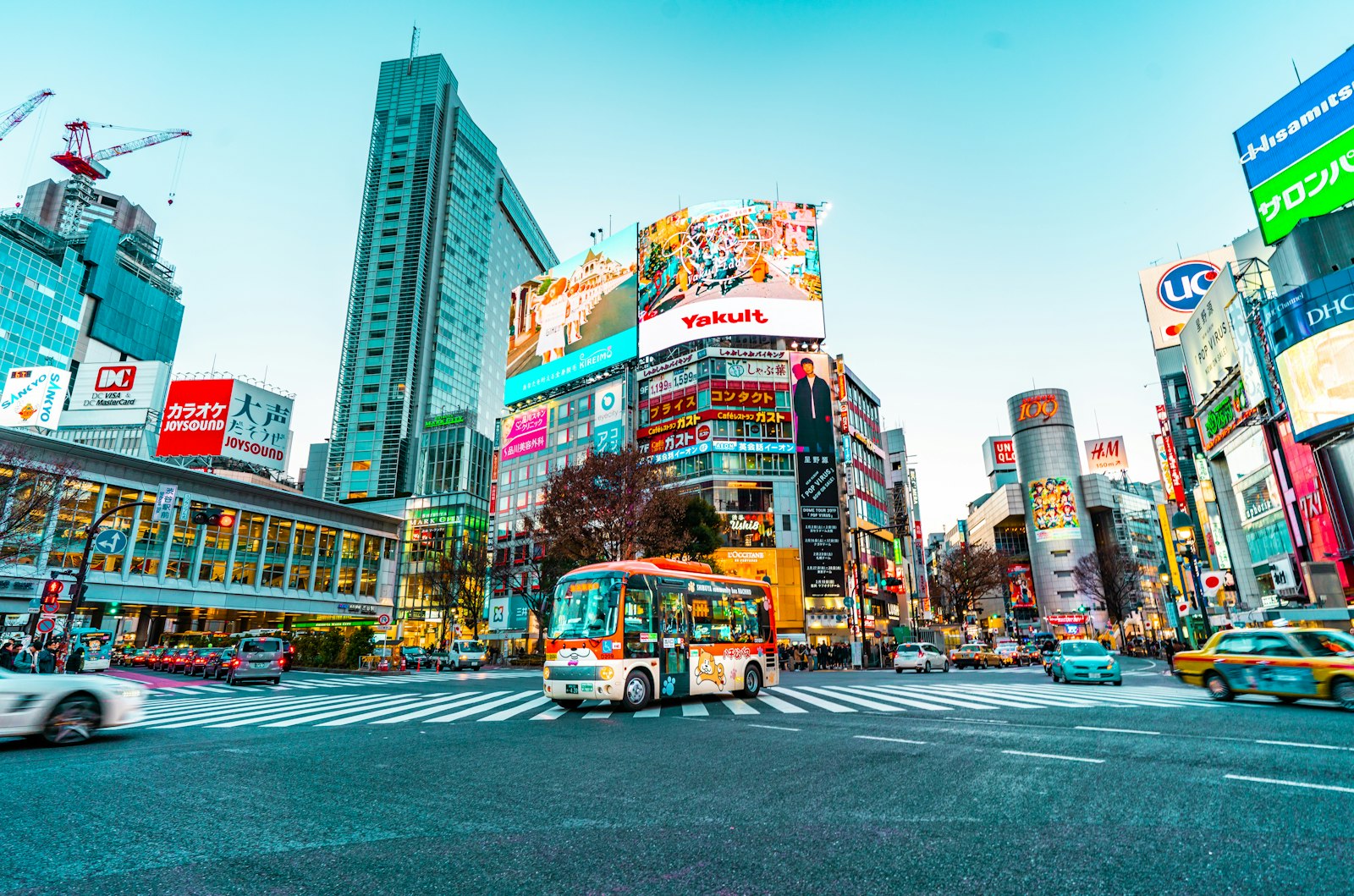
These three districts sit on or near the same Yamanote Line stretch, so the day flows south to north without any backtracking.
- 9:00am — Shibuya Crossing. Come early to see it functioning as a commuter crossing rather than a photo-op crowd scene. For an overhead view, Shibuya Sky observation deck opens at 10am — book a timed-entry ticket in advance since slots sell out on weekends.
- 11:00am — Harajuku & Takeshita Street, a 10-minute walk from Shibuya along Omotesando, or one Yamanote Line stop. Takeshita Street is narrow and crowded by early afternoon, so an late-morning pass is easiest.
- 12:30pm — Meiji Jingu (free entry), reached through the forested approach right beside Harajuku Station. The shrine grounds are a genuinely quiet break in the middle of the day despite sitting minutes from Tokyo’s busiest crossing.
- 2:30pm — Shinjuku Gyoen (entry ~¥500, open 9am–4:30pm, last entry 4pm, closed Mondays). One of Tokyo’s best gardens for combining French formal, English landscape, and Japanese traditional garden styles in a single park — budget 1.5–2 hours.
- Evening — Omoide Yokocho or Golden Gai (both in Shinjuku) for narrow-alley yakitori counters and a look at old-Tokyo nightlife squeezed between the skyscrapers.
Day 2: Asakusa & Ueno (East Tokyo)
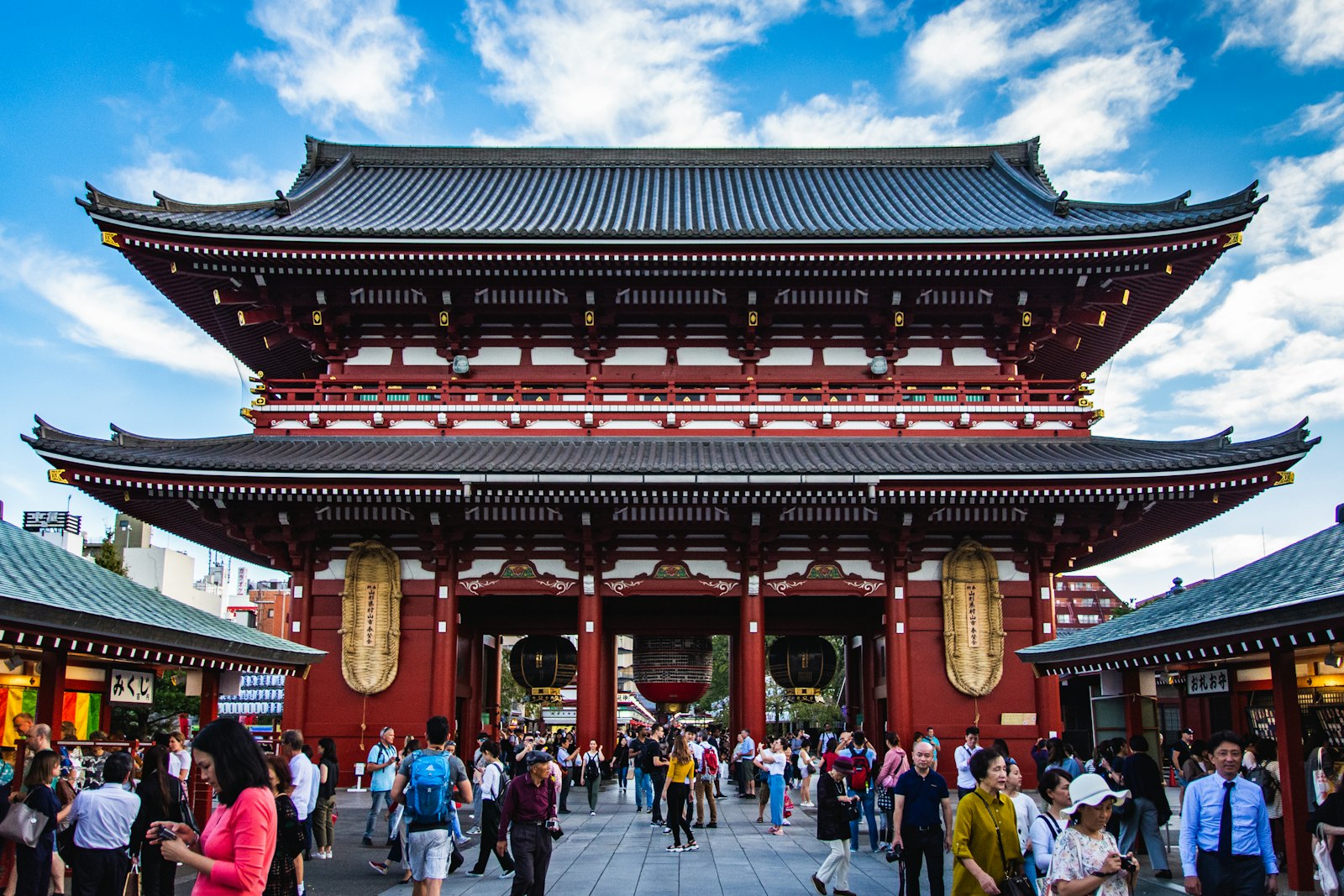
Go early — Senso-ji’s grounds open at 6am, well before the tour groups and before Nakamise-dori’s shops open around 9-10am, so an early visit trades shopping for a nearly empty temple courtyard.
- 7:00am — Senso-ji (temple grounds free, always open; main hall opens 6am). Tokyo’s oldest temple, with the iconic Kaminarimon “Thunder Gate” lantern. Arriving before 8am means an almost people-free courtyard for photos.
- 8:30am — Nakamise-dori, the approach street to Senso-ji lined with souvenir and snack stalls — most open between 9 and 10am, so this is a good time to loop back after breakfast.
- 10:30am — Ginza Line to Ueno (~6 minutes). Ueno Park is free and holds several museums plus Ueno Zoo — pick based on interest rather than trying to see all of it.
- 11:00am — Tokyo National Museum (entry ~¥1,000, open 9:30am–5pm, closed Mondays), Japan’s oldest and largest museum, holding the country’s biggest collection of samurai armor, swords, and Buddhist art. Budget at least 2 hours.
- 2:00pm — Ameya-Yokocho (Ameyoko) market, a lively street market just south of Ueno Station, good for a cheap lunch and browsing between the park and the station.
Day 3: Tsukiji, Ginza & the Imperial Palace (Central Tokyo)
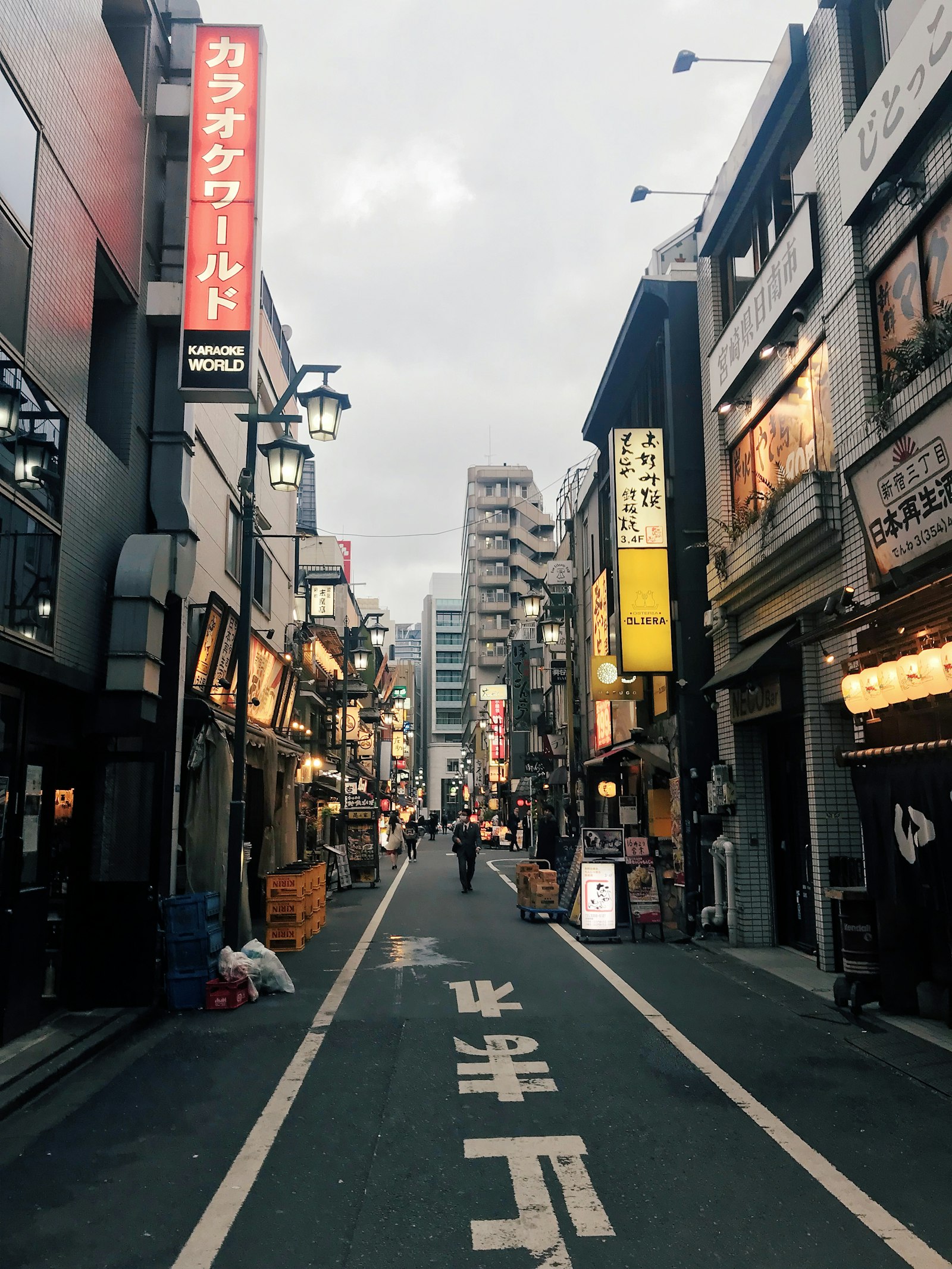
- 7:30am — Tsukiji Outer Market. The famous tuna auction moved to Toyosu Market in 2018, but the Outer Market at the original Tsukiji site is still a dense strip of seafood stalls, knife shops, and stand-up breakfast counters — arrive hungry.
- Optional pre-dawn add-on for early risers: the Toyosu Market tuna auction viewing runs roughly 5:25–6:15am and requires reserving a viewing slot in advance; it’s a separate trip from Tsukiji (different site, a short ride further out) and only worth the very early start for serious market enthusiasts.
- 10:00am — Ginza, a 15–20 minute walk or one train stop from Tsukiji. Tokyo’s flagship shopping district — mainly a browse-and-window-shop stop unless a specific purchase is planned.
- 12:30pm — Imperial Palace East Gardens (free entry, closed Mondays and Fridays), a 15-minute walk from Ginza. The gardens occupy part of the former Edo Castle grounds — spacious, uncrowded, and a good midday pace-changer.
- Afternoon — Marunouchi, the business district between the Imperial Palace and Tokyo Station, worth a slow walk past the restored Tokyo Station red-brick facade before heading back.
Day 4: Odaiba (Tokyo Bay)
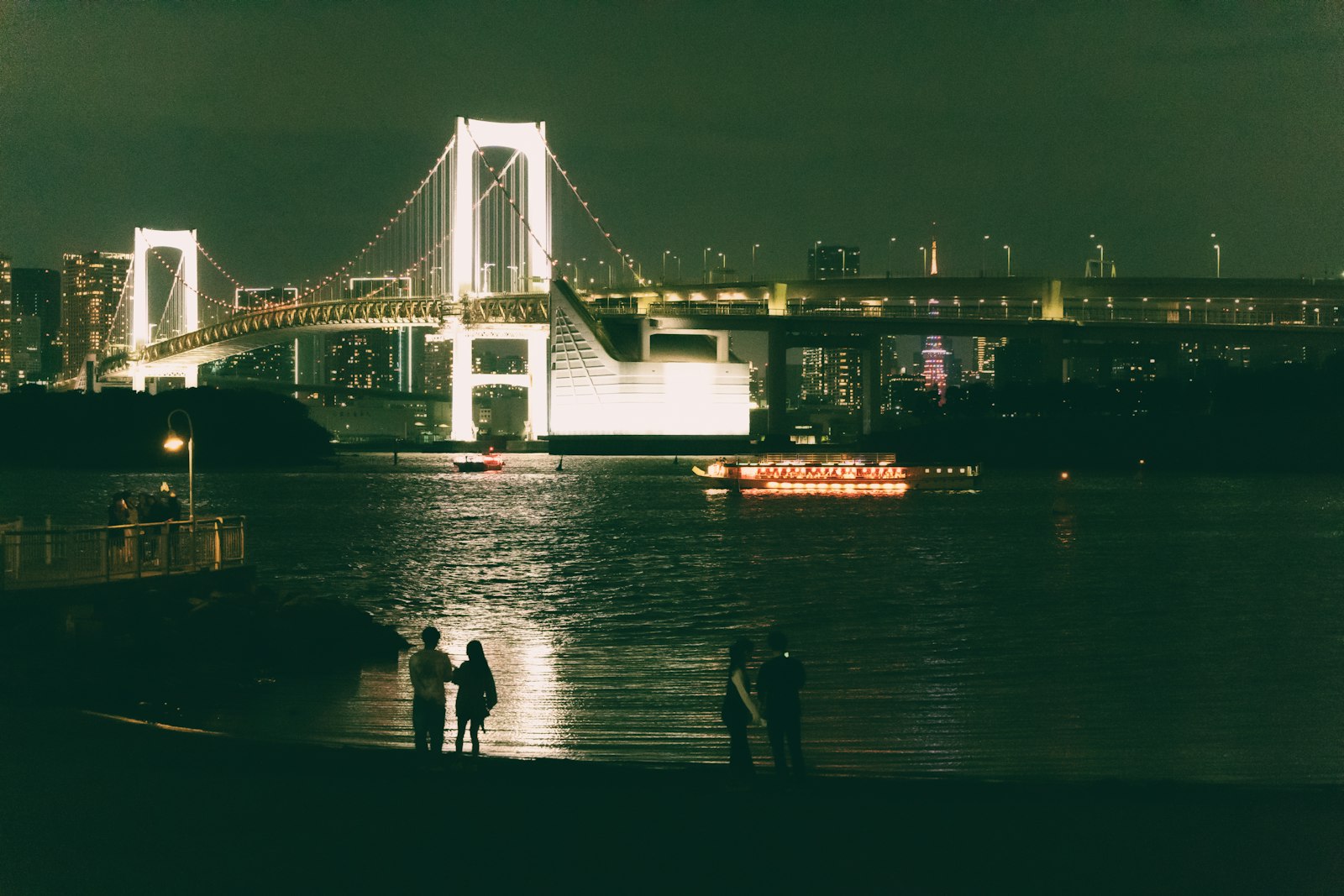
Odaiba is a reclaimed island in Tokyo Bay, reached via the elevated, driverless Yurikamome Line — the ride itself, which crosses the Rainbow Bridge, is part of the experience.
- 10:00am — Yurikamome Line from Shimbashi (~13–15 minutes to Odaiba-Kaihinkoen Station), sit at the front car if possible for the elevated, driverless view over the bay and bridge.
- 10:30am — Choose one anchor activity: teamLab Planets or teamLab Botanical Garden (immersive digital art, book timed tickets well in advance — they regularly sell out) for couples/solo travelers, or Tokyo DisneySea (a separate trip via Disney Resort Line from Maihama Station, not technically in Odaiba but often paired with this day) for families with a full day to spare.
- 1:00pm — Odaiba Seaside Park, a beach-lined promenade with a view of the Rainbow Bridge and a replica Statue of Liberty — a relaxed lunch-and-walk stretch between activities.
- 3:00pm — DiverCity Tokyo Plaza, home of the life-size Unicorn Gundam statue, for shopping and a late lunch or coffee.
- Evening — Rainbow Bridge at sunset, best viewed from Odaiba Seaside Park or the Aqua City boardwalk, before heading back into central Tokyo for a final dinner.
Transfer Times Between Clusters
The Yamanote Line loop does most of the work in this itinerary — it’s the reason each day can stay inside one cluster and still reach the next one quickly the following morning.
| From → To | Best option | Approx. time |
|---|---|---|
| Shibuya → Shinjuku | JR Yamanote Line | ~7–9 min |
| Shibuya → Tokyo Station | JR Yamanote Line | ~26 min |
| Tokyo Station → Ueno | JR Yamanote Line / Keihin-Tohoku Line | ~8 min |
| Asakusa → Ueno | Tokyo Metro Ginza Line | ~6 min |
| Shimbashi → Odaiba-Kaihinkoen | Yurikamome Line | ~13–15 min |
Practical Notes
- Get a Suica or Pasmo IC card (or use a compatible phone wallet) on arrival — it covers JR, subway, and the Yurikamome Line with a single tap, removing the need to work out fares per ride.
- Book timed-entry tickets in advance for Shibuya Sky, teamLab, and the Toyosu Market tuna auction viewing — all three regularly sell out, especially on weekends.
- Most museums and gardens close one day a week (commonly Monday) — the Tokyo National Museum and Shinjuku Gyoen both do, so check the specific closure day before building it into an itinerary.
- The Yamanote Line runs in a loop, so it’s worth confirming clockwise vs. counter-clockwise direction on the platform signage — going the wrong way adds most of an hour, not a quick fix.
- Get familiar with the Tokyo Metro system before you go — its overlapping lines and operators can be confusing for first-time visitors switching between JR and subway lines.
Recommended Travel Insurance
Before you go, it’s worth having travel insurance built for slow travel and remote work rather than a standard two-week vacation policy. We use and recommend SafetyWing’s Nomad Insurance — it covers 180+ countries, can be purchased even after you’ve already left home, and is billed monthly instead of requiring a big upfront payment.
Disclosure: this post contains an affiliate link. If you sign up through it, we may earn a small commission at no extra cost to you.
Recommended Tours & Activities
Skip the guesswork on booking day-trips and skip-the-line tickets — we use GetYourGuide to book tours, attraction tickets, and activities in advance, with free cancellation on most bookings up to 24 hours ahead.
Disclosure: this post contains an affiliate link. If you book through it, we may earn a small commission at no extra cost to you.
Planning more trips like this? See our full Solo Travel Itineraries Guide for more destinations.

About the Author
Mina Park
Mina Park is the route planner behind RouteDays. Over the past several years she has put together more than 60 day-by-day itineraries covering Asia, Europe, and North America, tracking real transit times, entrance fees, and nightly accommodation costs on each trip so every guide reflects an actual route rather than a generic city guide. She specializes in budget-first planning: every itinerary lists the cheapest reliable option first, whether that's an overnight bus instead of a domestic flight or a guesthouse instead of a hotel chain. Before starting RouteDays she spent three years working in travel logistics, coordinating multi-city tour schedules for small group trips across Southeast Asia.
🎒 Travel Gear We Recommend
Tried-and-tested essentials that make trips like this one smoother.
As an Amazon Associate we earn from qualifying purchases, at no extra cost to you.