- The 3-Day Route at a Glance
- Arriving and Where to Stay
- Day 1: Walking the George Town Heritage Core
- Day 2: Kek Lok Si, Penang Hill and Gurney Drive
- Day 3: National Park, Monkey Beach and the North Coast
- Penang 3-Day Itinerary Costs by Travel Style
- Adjusting the Route
- Practical Tips
- Recommended Travel Insurance
- Recommended Tours & Activities
- A Practical Scenario: Penang After Kuala Lumpur
- Frequently Asked Questions
- Final Thoughts on This Penang 3-Day Itinerary
As an Amazon Associate, we earn from qualifying purchases linked in this post.
A Penang 3-day itinerary can be built almost entirely around food, and the island makes that easy: George Town’s heritage core is compact enough to walk, its hawker stalls open in shifts from breakfast to past midnight, and the hills, temples and national park are all within an hour by Grab or bus. Three days gives you two full days in and around the old town and one day for Penang Hill, Kek Lok Si and the beaches of the north coast.
Below is a day-by-day route with travel times, a daily spending estimate and the timing details, such as which stalls open only in the morning and which only at night, that make a food-focused trip work.
The 3-Day Route at a Glance
This table shows how the Penang 3-day itinerary fits together. Spending is per person for a mid-range traveler, excluding the hotel. Prices are in Malaysian ringgit (RM); one US dollar buys roughly four to five ringgit.
| Day | Route | Getting Around | Travel Time | Daily Spend (approx.) |
|---|---|---|---|---|
| Day 1 | Breakfast on Lebuh Cintra → Armenian Street street art → Khoo Kongsi → Clan Jetties → Little India dinner and nasi kandar | Walking, free CAT shuttle bus | All stops within 2 km; 10–20 min walks between them | RM 90–150 |
| Day 2 | Kek Lok Si Temple → Penang Hill funicular → Air Itam assam laksa → evening at Gurney Drive hawker centre | Grab or Rapid Penang bus, funicular | George Town → Kek Lok Si 25–35 min; Kek Lok Si → Penang Hill lower station 10 min | RM 120–200 (funicular included) |
| Day 3 | Penang National Park walk to Monkey Beach → Batu Ferringhi lunch → Tropical Spice Garden or beach afternoon → New Lane hawkers | Grab or bus 101/102, boat back optional | George Town → Teluk Bahang 45–60 min; park trail to Monkey Beach about 1 hour each way | RM 100–220 (boat included) |
Arriving and Where to Stay
Penang International Airport (PEN) sits in the south of the island, about 18 kilometers from George Town. A Grab ride takes 30 to 45 minutes depending on traffic, and Rapid Penang bus 401E or 102 covers the same trip more slowly for a few ringgit. Travelers coming overland from Kuala Lumpur usually arrive at Butterworth, on the mainland, and cross on the passenger ferry, which lands a short walk from the heritage zone.
Stay inside or right next to the George Town heritage area. Days 1 and 2 begin and end there, and the best evening food is a short walk away. Boutique shophouse hotels around Love Lane, Armenian Street and Lebuh Chulia suit most budgets. Batu Ferringhi on the north coast is the beach alternative, but it adds 40 minutes or more each way to everything in town, so it works better as a final-night switch than as a base for the whole Penang 3-day itinerary.
George Town was inscribed together with Melaka as a UNESCO World Heritage Site in 2008, and the listing explains why its mix of Chinese, Malay, Indian and European buildings is protected. If you are adding the capital, our guide on how many days you need in Kuala Lumpur covers the train link north.
Day 1: Walking the George Town Heritage Core
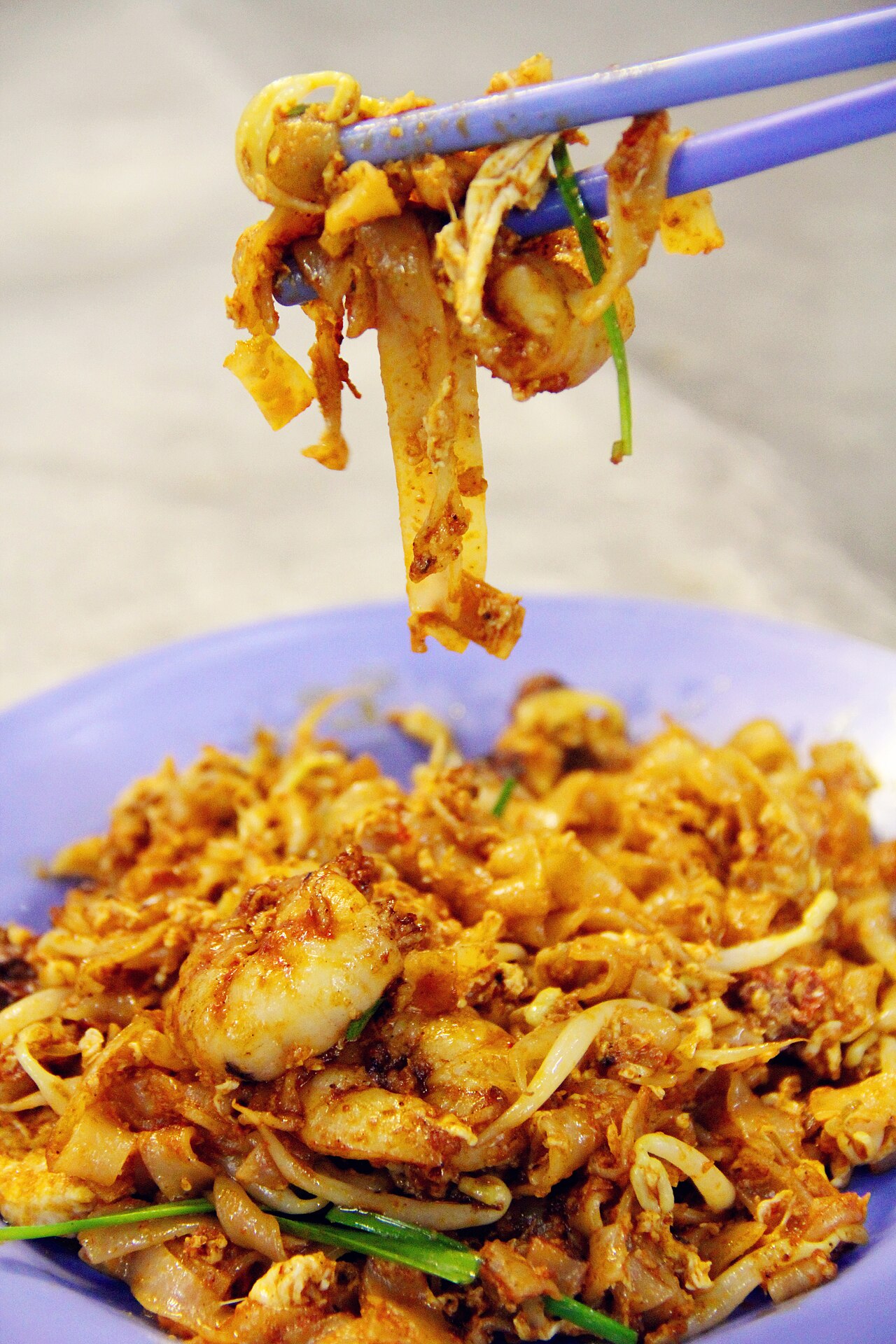
Start early. Many of George Town’s best breakfast stalls sell out or close by late morning, so the first day of this Penang 3-day itinerary runs on breakfast time. Head to the coffee shops around Lebuh Cintra and Lebuh Campbell for dim sum, roti canai or a plate of char kway teow, the island’s best-known noodle dish, fried over high heat with prawns, cockles, egg and bean sprouts.
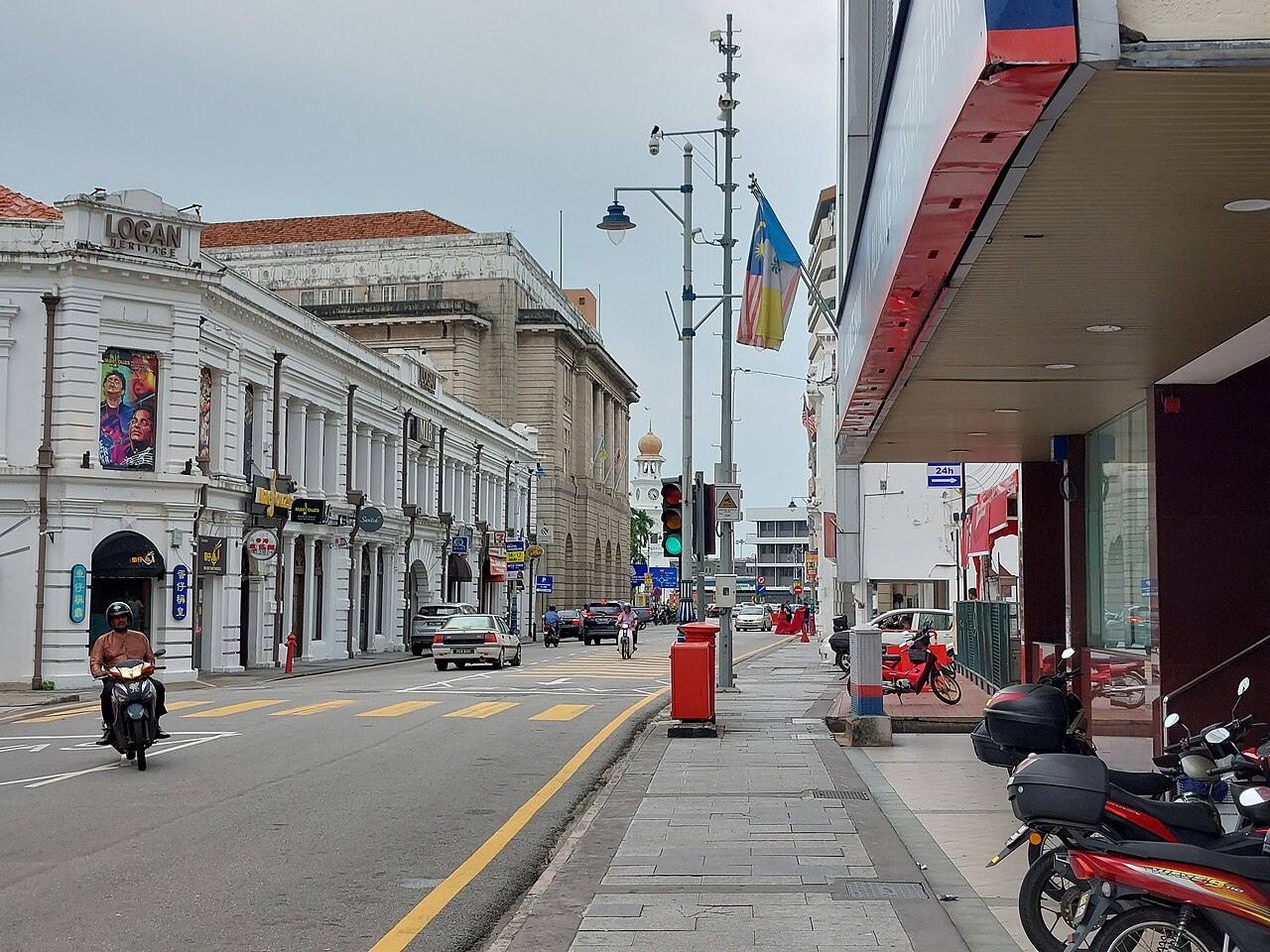
From there, walk to Armenian Street and the surrounding lanes, where the murals painted in 2012 for the George Town Festival still draw crowds. The famous children-on-a-bicycle piece gets queues after 10 a.m.; earlier is calmer. Wrought-iron caricatures fixed to building walls explain local street names and trades, and they make a good self-guided trail if you follow them block by block.
Next, visit Khoo Kongsi, the most elaborate of the Chinese clan houses, with carved roof ridges, gilded panels and a small museum on the clan’s history. Allow 45 minutes. Continue south to the Clan Jetties on Weld Quay, a row of wooden stilt villages built by Chinese families in the 19th century. Chew Jetty is the busiest and has small shops along the walkway; the quieter jetties beside it show the homes more as they are lived in.
After a rest during the hottest hours, spend the evening in Little India around Lebuh Pasar and Lebuh Queen. Nasi kandar, rice with a choice of curries poured over it, is a Penang specialty, and the queues outside the best-known shops move fast. Finish with a walk along the Esplanade and past Fort Cornwallis as the sea breeze picks up.
Day 2: Kek Lok Si, Penang Hill and Gurney Drive
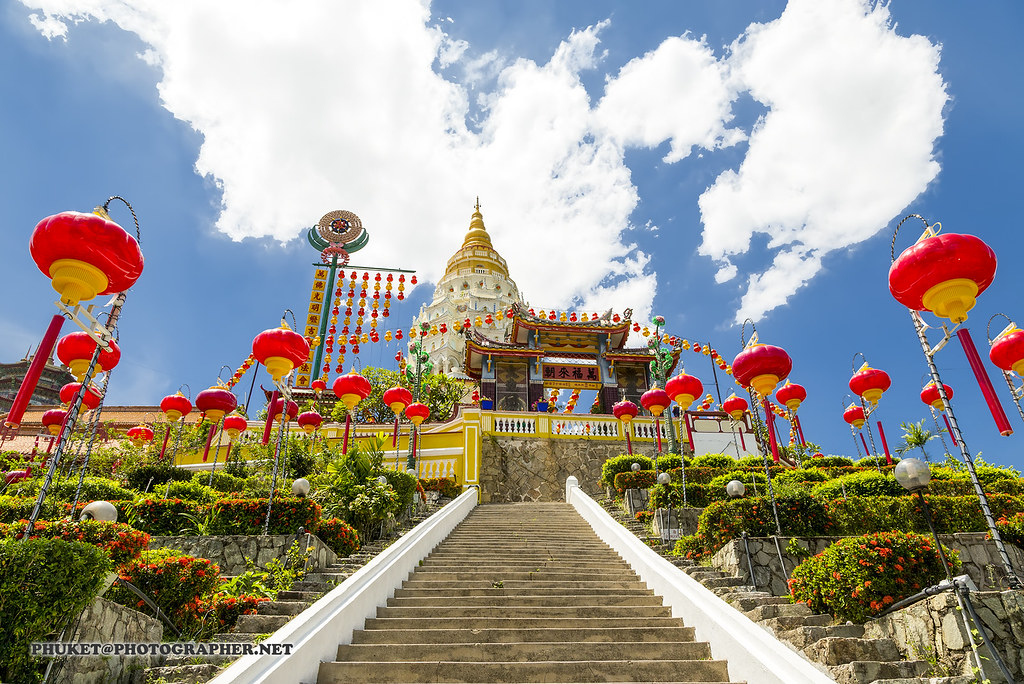
Take a Grab to Air Itam and Kek Lok Si Temple, one of the largest Buddhist temple complexes in Southeast Asia. A seven-tier pagoda combines Chinese, Thai and Burmese architectural styles, and an inclined lift carries visitors up to a huge bronze statue of the goddess Kuan Yin. Arrive before 9 a.m. to climb in cooler air, and dress with shoulders and knees covered.
From the temple it is about ten minutes to the lower station of the Penang Hill funicular. The ride climbs roughly 700 meters in a few minutes, and the top offers views over George Town, the bridges and the mainland on clear mornings. Non-Malaysian visitors pay a higher return fare than residents; check the current price at the counter, and expect queues on weekends and public holidays. A canopy walkway called The Habitat sits at the summit for those who want a forest walk with a separate ticket.
Come down for lunch at the Air Itam market area, where Penang assam laksa is the dish to order: rice noodles in a sour, spicy fish broth with tamarind, mint, pineapple and a dark shrimp paste. It is very different from the coconut laksa found elsewhere in Malaysia.
Spend the late afternoon back at the hotel or the pool, then head to the Gurney Drive hawker centre on the seafront for dinner. It is one of the island’s biggest open-air food courts. Order from several stalls, sit anywhere, and try oyster omelette, satay, rojak and a bowl of cendol, shaved ice with coconut milk and palm sugar, to finish.
Day 3: National Park, Monkey Beach and the North Coast
The final day of the Penang 3-day itinerary moves to the northwest corner of the island. Penang National Park, at Teluk Bahang, is among the smallest national parks in Malaysia, but its coastal trails lead to quiet beaches that feel far from the city. Register at the entrance before you set off.
The coastal trail to Monkey Beach takes about an hour each way on a path with roots, steps and a few short climbs. Bring water, insect repellent and closed shoes. Many visitors walk out and take a boat back from the beach; boatmen wait at the jetties near the park entrance and at the beaches, and prices are agreed before you board. Keep food zipped away, because macaques live up to the beach’s name.
Have lunch at Batu Ferringhi, the island’s main beach strip, about ten minutes east of the park. The afternoon can be a swim, a visit to the Tropical Spice Garden on the coast road, or a slow ride back to town. In the evening, finish at the New Lane hawker street off Lorong Baru, which comes alive after dark with char kway teow, lor bak, curry mee and fresh fruit juice.
Penang 3-Day Itinerary Costs by Travel Style
Penang is one of the cheapest places in Southeast Asia to eat well. The figures below are per person per day, excluding the hotel.
- Budget (RM 70–110): hawker meals at RM 6–15 each, the free CAT shuttle and public buses, free street art and jetties, one paid sight per day.
- Mid-range (RM 110–200): Grab for longer rides, the Penang Hill funicular, clan house entry, a boat back from Monkey Beach and a café or two.
- Comfortable (RM 250+): a private driver for Day 2 and Day 3, restaurant dinners, a cooking class and The Habitat canopy walk.
Shophouse hotels in George Town range from about RM 120 for a simple room to RM 600 or more for restored heritage properties. Bring some cash; many hawker stalls do not accept cards.
Adjusting the Route
- Two days only: combine Day 1 with the evening at Gurney Drive, then do Kek Lok Si and Penang Hill on the second morning.
- Four days: add Balik Pulau in the southwest for durian orchards (in season), rice fields and a quieter version of assam laksa, or take a cooking class.
- Rainy-season trip: keep mornings for outdoor sights, since showers often arrive in the afternoon, and use the Penang State Museum or Pinang Peranakan Mansion as backups.
- With children: swap the national park trail for the boat both ways and add the Entopia butterfly farm near Teluk Bahang.
Practical Tips
- The driest months are usually December to February; September to November tends to be the wettest.
- The CAT (Central Area Transit) bus loops through the heritage zone free of charge.
- Many hawker stalls close one day a week, and the day varies; have a second choice nearby.
- Carry a light layer for Penang Hill, where temperatures are a few degrees cooler.
- Remove shoes when entering mosques and some temples, and ask before photographing people at prayer.
Recommended Travel Insurance
Hot weather, jungle trails and boat transfers are part of a Penang trip, and private hospitals in George Town expect payment from visitors. SafetyWing’s Nomad Insurance is one option that can be bought after you have left home and is billed in four-week periods. Read the policy wording, especially for hiking and scooter riding, before you buy.
Recommended Tours & Activities
George Town food walks, heritage tours, Peranakan cooking classes and Penang Hill trips can be compared and booked ahead on GetYourGuide, with free cancellation on many listings.
See Penang food tours and day trips →
Disclosure: this post contains affiliate links. If you book or sign up through them, we may earn a small commission at no extra cost to you.
A Practical Scenario: Penang After Kuala Lumpur
Imagine a traveler who spends three days in Kuala Lumpur and takes the morning ETS train north to Butterworth, about four hours. They cross on the ferry, check in before 3 p.m., and run Day 1 from the afternoon: street art, Chew Jetty at sunset and Little India for dinner, saving the morning breakfast crawl for the next day. They then do Penang Hill and Kek Lok Si, and finish with the national park on the third day before flying out of Penang International Airport that evening.
Frequently Asked Questions
Is three days enough for Penang?
Yes. Three days covers George Town’s heritage core, Kek Lok Si, Penang Hill and the north coast. Add a fourth day for Balik Pulau or a cooking class.
Do you need a car in Penang?
No. George Town is walkable, the CAT shuttle is free, and Grab rides to the hill and the national park are inexpensive. A car only helps for Balik Pulau and the island’s quieter west side.
What food should you not miss in Penang?
Char kway teow, assam laksa, nasi kandar, cendol and oyster omelette are the classics. Each is best from a stall that specializes in only that dish.
When is the best time to visit Penang?
December to February is usually driest. Chinese New Year is festive but crowded, and hotel prices rise; book early if your dates overlap.
Final Thoughts on This Penang 3-Day Itinerary
This Penang 3-day itinerary works because it follows the island’s own rhythm: early breakfasts, slow hot afternoons and long evenings at the hawker stalls. Walk the heritage core first, ride up the hill on a clear morning and save the coast for last, and you will leave having eaten your way across one of Asia’s great food cities.

About the Author
RouteDays Team
RouteDays is an independent travel-planning site. We build day-by-day routes from official transit timetables, attraction websites and current price listings, use AI writing tools to help draft each guide, and review every guide before it goes live. We have not personally visited every city we cover, so travel times and prices are estimates: please confirm them with the official sources linked in each guide before you book. Spotted something out of date? Tell us through the Contact page.
🎒 Travel Gear We Recommend
Tried-and-tested essentials that make trips like this one smoother.
As an Amazon Associate we earn from qualifying purchases, at no extra cost to you.