- When Travel Insurance Genuinely Matters
- When You Can Probably Skip It
- Basic vs. Comprehensive Coverage: Which Do You Actually Need?
- What About Coverage for Pre-Existing Conditions?
- A Personal Note on Travel Insurance
- Frequently Asked Questions About Travel Insurance
- Final Thoughts: Is Travel Insurance Worth It?
As an Amazon Associate, we earn from qualifying purchases linked in this post.
Is travel insurance worth it? For most international trips, yes — the honest math is that a policy costing $30-80 for a two-week trip protects against medical bills or trip cancellations that can easily run into the thousands, but there are genuine cases where it’s less necessary.
When Travel Insurance Genuinely Matters
Insurance earns its cost in a few common situations:
- International trips without health coverage abroad — most domestic health insurance doesn’t cover you overseas, making travel medical coverage the only safety net for an injury or sudden illness.
- Non-refundable bookings — flights, tours, and hotels paid upfront are exactly what trip cancellation coverage protects if you get sick, a family emergency comes up, or your trip gets disrupted.
- Adventure activities — scuba diving, trekking, or skiing often need specific coverage riders that basic policies don’t include by default.
- Remote or higher-risk destinations — places with limited medical infrastructure make evacuation coverage genuinely valuable, not just a nice-to-have.
When You Can Probably Skip It
Travel insurance is less critical in a few specific cases:
- Short domestic trips — if your regular health insurance covers you at home and nothing is prepaid or non-refundable, the math often doesn’t favor a separate policy.
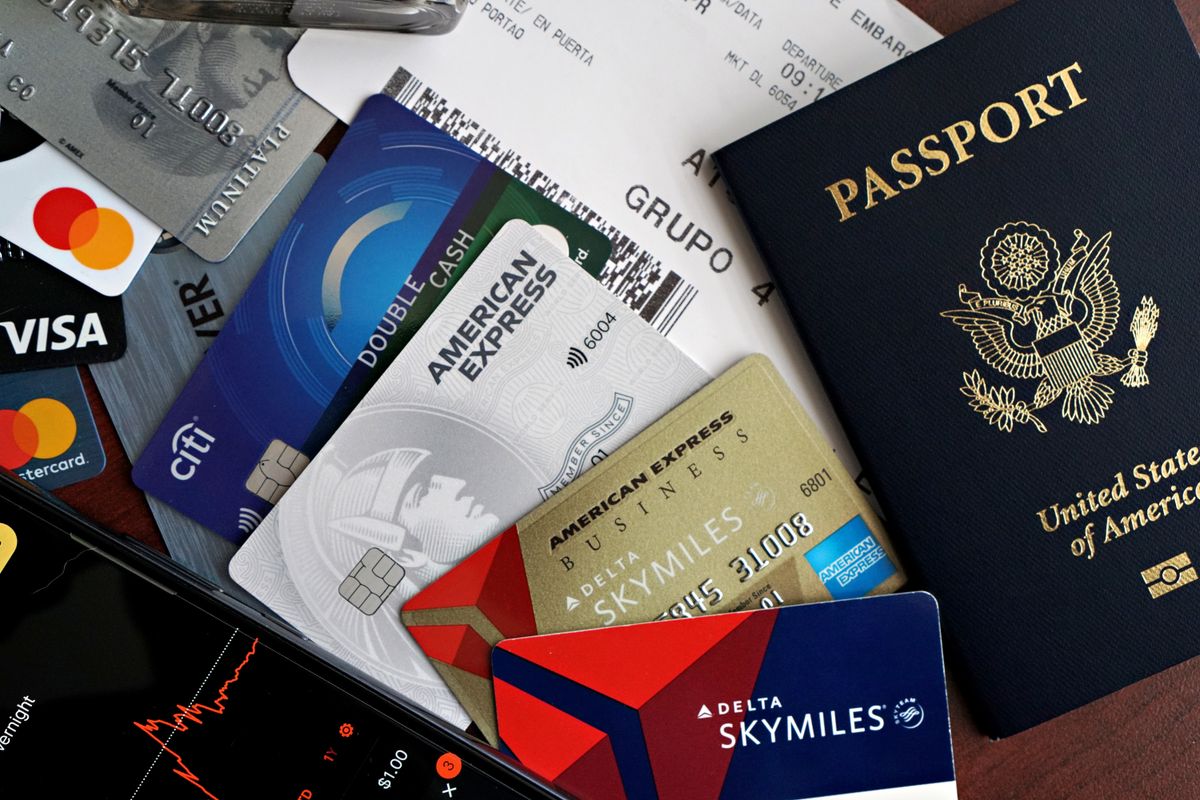
- Credit card travel benefits already cover you — some premium travel credit cards include trip cancellation and medical coverage, which can make a separate policy redundant.
- Fully refundable bookings — if every flight and hotel can be cancelled penalty-free, the cancellation-coverage argument weakens significantly.
Basic vs. Comprehensive Coverage: Which Do You Actually Need?
Basic plans typically cover emergency medical care and evacuation, which is the coverage that protects against genuinely catastrophic costs. Comprehensive plans add trip cancellation, baggage loss, and cancel-for-any-reason options, which matter more if your trip involves expensive non-refundable bookings. If budget is tight, prioritize medical and evacuation coverage first — that’s the piece that can genuinely bankrupt a traveler without it.
What About Coverage for Pre-Existing Conditions?
Many standard policies exclude pre-existing conditions unless purchased within a specific window after booking your trip (often 14-21 days). If you have an ongoing health condition, check this window carefully and compare a few providers, since coverage terms vary significantly. The U.S. State Department’s guidance on health abroad is a useful starting point for understanding what to look for in a policy.
A Personal Note on Travel Insurance
When travelers ask me is travel insurance worth it, I tell them to think of it less as trip protection and more as medical protection — the cancellation and baggage coverage is nice, but the medical evacuation piece is the part that actually matters if something goes seriously wrong far from home. See our Travel Resources page for the specific providers we recommend and use ourselves.
Frequently Asked Questions About Travel Insurance
Does travel insurance cover flight cancellations from the airline?
It can, depending on the policy, but airline-caused cancellations are often handled directly by the airline first — insurance typically fills gaps the airline doesn’t cover.
Is travel insurance worth it for a short weekend trip?
Often less critical for short domestic trips, but still worth considering for international weekend trips where health coverage abroad is a real gap.
Can I buy travel insurance after I’ve already left on my trip?
Generally no for most benefits — most policies need to be purchased before departure, though a few offer limited coverage if bought shortly after.
Final Thoughts: Is Travel Insurance Worth It?
So, is travel insurance worth it? For most international trips with real financial exposure — non-refundable bookings, no health coverage abroad, or higher-risk activities — yes, the cost is small relative to what it protects against. For short, fully refundable domestic trips, it’s a more genuine judgment call.

About the Author
Mina Park
Mina Park is the route planner behind RouteDays. Over the past several years she has put together more than 60 day-by-day itineraries covering Asia, Europe, and North America, tracking real transit times, entrance fees, and nightly accommodation costs on each trip so every guide reflects an actual route rather than a generic city guide. She specializes in budget-first planning: every itinerary lists the cheapest reliable option first, whether that's an overnight bus instead of a domestic flight or a guesthouse instead of a hotel chain. Before starting RouteDays she spent three years working in travel logistics, coordinating multi-city tour schedules for small group trips across Southeast Asia.
🎒 Travel Gear We Recommend
Tried-and-tested essentials that make trips like this one smoother.
As an Amazon Associate we earn from qualifying purchases, at no extra cost to you.