As an Amazon Associate, we earn from qualifying purchases linked in this post.
This Osaka Kyoto 4-Day Itinerary is built for couples who want an efficient, shinkansen-linked route across both cities’ temple and entertainment districts.
Osaka and Kyoto sit just 15 minutes apart by shinkansen, but their sights cluster in very different pockets — Kyoto’s temples spread across the east and west edges of the city, while Osaka’s highlights split neatly between its northern business district and southern entertainment strip. This itinerary keeps couples in one geographic pocket per day: two days working through Kyoto’s Higashiyama and Arashiyama districts, then two days moving through Osaka’s Umeda and Namba sides, with a single clean transfer between cities so no afternoon gets eaten by doubling back across town.
Osaka Kyoto 4-Day Itinerary at a Glance
This Osaka Kyoto 4-Day Itinerary pairs well with our Istanbul 3-Day Itinerary for Couples if you’re planning more than one couples trip this year.
| Day | Area | Highlights | Main transport |
|---|---|---|---|
| Day 1 | Kyoto — Fushimi & Higashiyama | Fushimi Inari torii gates, Kiyomizu-dera, Sannenzaka, Gion | Keihan Main Line, on foot |
| Day 2 | Kyoto — Arashiyama & Nishiki | Bamboo Grove, Tenryu-ji, Togetsukyo Bridge, Nishiki Market | Randen Tram, JR Sagano Line |
| Day 3 | Osaka — Castle & Umeda | Osaka Castle, Umeda Sky Building, Ohatsu Tenjin dinner alley | JR Osaka Loop Line |
| Day 4 | Osaka — Namba & Dotonbori | Kuromon Market, Shinsaibashi, teamLab Botanical Garden, Dotonbori | Osaka Metro Midosuji Line |
Day 1: Kyoto — Fushimi Inari & Higashiyama
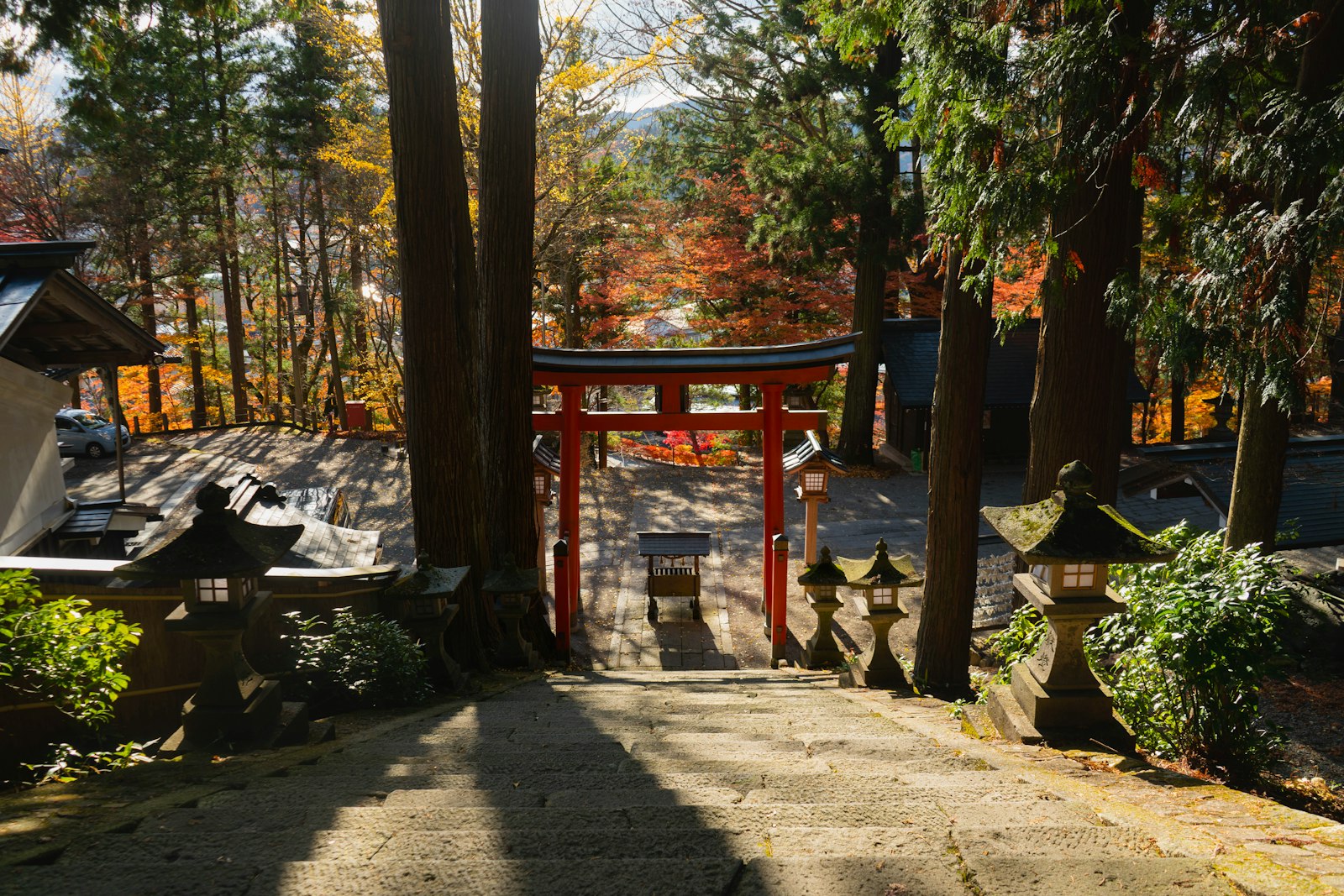
Fushimi Inari sits just two JR stops south of Kyoto Station, so it’s the natural first stop before working north into the Kiyomizu-dera and Gion cluster — both reachable on the same Keihan Main Line without ever crossing back through the station.
- 8:00 — Fushimi Inari Taisha. Free entry, open 24/7 (shops staffed 9:00–17:00). Arrive before 8:30 to walk the vermillion torii tunnel with almost no one else in frame; the loop to the Yotsutsuji viewpoint and back takes about 45–60 minutes round-trip.
- 9:15 — Keihan to Kiyomizu-Gojo. Take the Keihan Main Line from Fushimi Inari Station to Kiyomizu-Gojo Station, about 5 minutes (¥210). It’s a 10-minute uphill walk from the station to the temple.
- 10:00 — Kiyomizu-dera. Admission ¥500 adults / ¥200 students, open 6:00–18:00 (until 18:30 in July–August). The wooden veranda over the hillside is the postcard shot; go early since the approach street packs in by mid-morning.
- 11:30 — Sannenzaka & Ninenzaka. The stone-paved lanes below the temple are lined with tea houses and craft shops — a good, unhurried stretch for photos and a matcha break before lunch.
- 13:00 — Lunch in Higashiyama. Yudofu (simmered tofu) or a kaiseki-style set lunch in one of the machiya-style restaurants around Ninenzaka runs roughly ¥2,000–3,500 per person.
- 14:30 — Gion & Yasaka Shrine. Yasaka Shrine is free and open around the clock; from there it’s a 10-minute walk into Gion’s Hanamikoji-dori, the best-preserved stretch of geisha-district architecture, with a good chance of spotting a geiko or maiko heading to an appointment around dusk.
- 18:00 — Dinner in Pontocho. The narrow alley along the Kamo River is packed with everything from yakitori counters to riverside kaiseki; reserve ahead in peak season (spring and autumn) for a table with a river view.
Day 2: Kyoto — Arashiyama & Nishiki Market
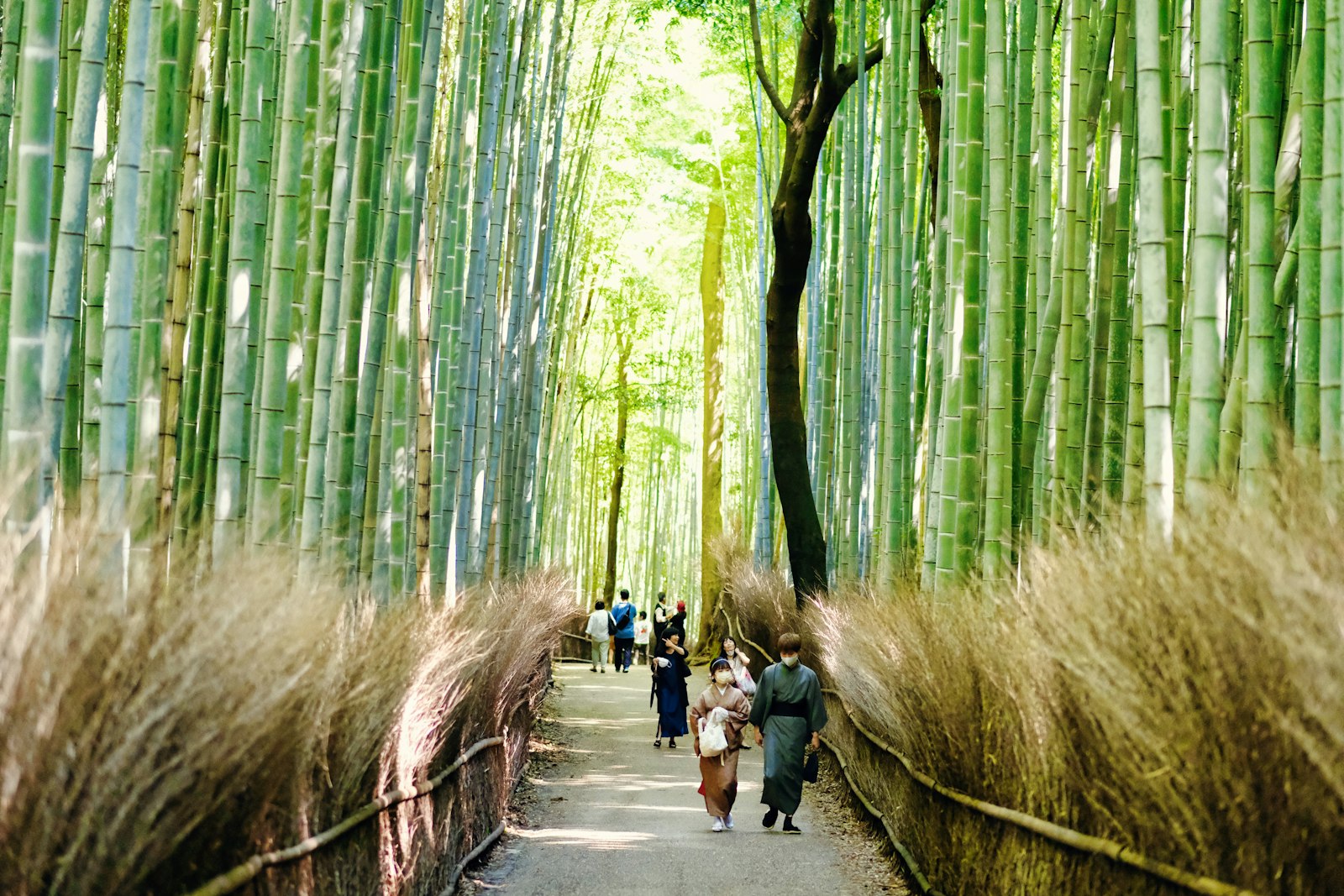
Arashiyama sits on the opposite (western) side of Kyoto from Higashiyama, so it gets its own dedicated day rather than a rushed add-on — the payoff is a full morning at the bamboo grove before the tour buses arrive.
- 8:00 — Arashiyama Bamboo Grove. Free, open 24/7. The main path (Sagano Bamboo Path) takes about 15 minutes to walk; arriving before 8:30 means having long stretches of it to yourselves.
- 8:45 — Tenryu-ji Temple. A UNESCO World Heritage site adjoining the grove, open 8:30–17:00. Garden-only admission is ¥500; add ¥300 to also enter the temple buildings. The pond garden with the Arashiyama hills as backdrop is one of the best-composed views in Kyoto.
- 10:15 — Togetsukyo Bridge. A 10-minute walk from Tenryu-ji’s south gate; the Hozu River view here is especially photogenic in the morning light, before the riverside path fills up.
- 11:00 — Iwatayama Monkey Park (optional). A steep 20-minute climb (¥550 adults) rewards with wild snow monkeys and a panoramic view over the Kyoto basin — worth it if you both have the legs for it.
- 12:30 — Lunch riverside. Yuba (tofu skin) specialty restaurants along the Hozu River run ¥1,800–3,000 per person; several have outdoor seating overlooking the water.
- 14:30 — Randen Tram to central Kyoto. The Keifuku (Randen) tram from Arashiyama Station to Shijo-Omiya takes about 25 minutes (¥250 flat fare), landing you within walking distance of Nishiki Market.
- 15:30 — Nishiki Market. Kyoto’s “kitchen” — a 400-meter covered arcade of food stalls, most open roughly 9:00–18:00 (individual shop hours vary). Good for a grazing-style late lunch of skewered items, pickles, and matcha sweets rather than a sit-down meal.
- Evening — Transfer to Osaka. From Kyoto Station, the JR Special Rapid to Osaka Station takes about 28 minutes (¥580); the shinkansen to Shin-Osaka is faster (12–13 minutes, ¥1,450) but only worth it if you’re already holding a JR Pass, since Shin-Osaka requires a further subway transfer into central Osaka.
Day 3: Osaka — Castle & Umeda
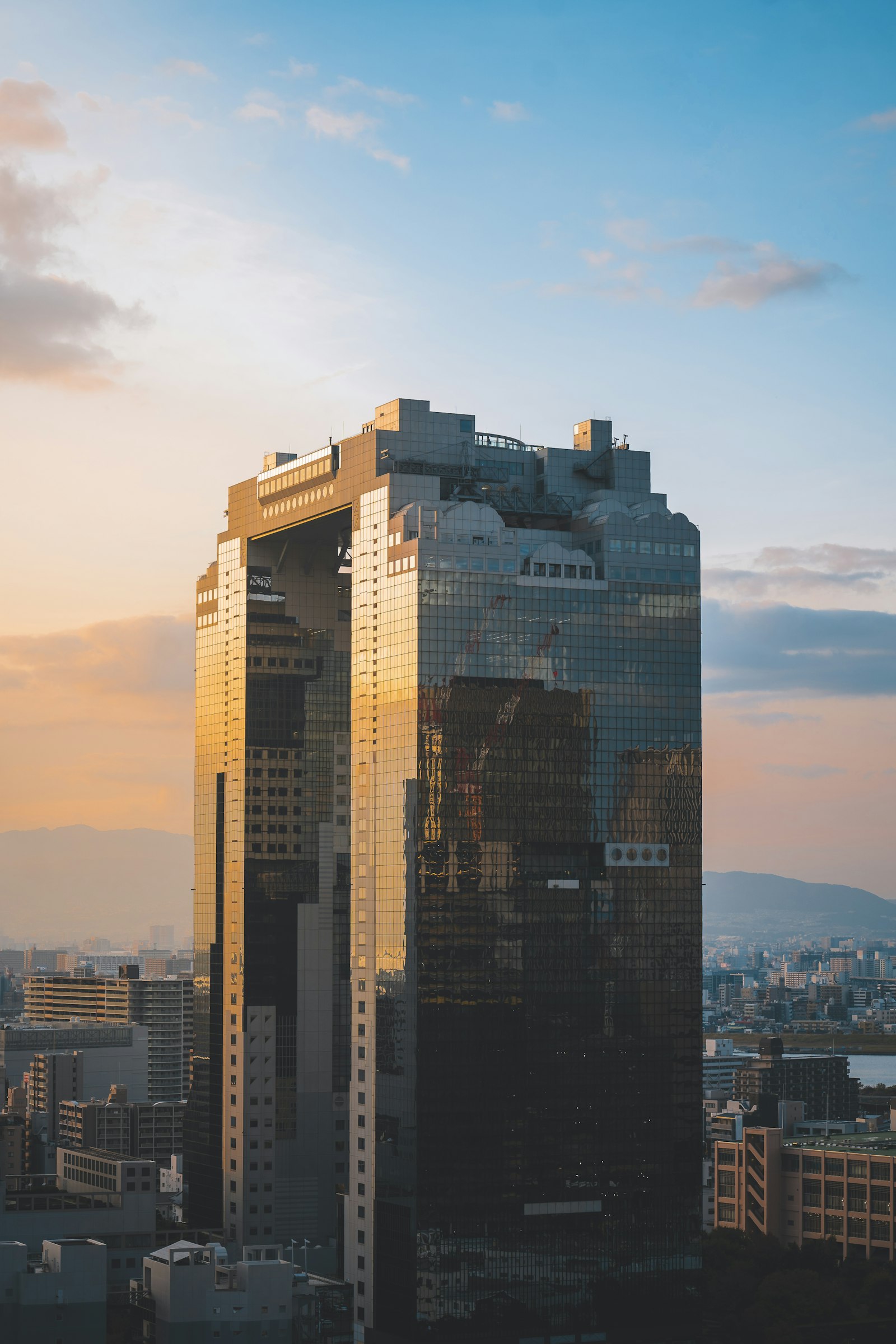
Osaka Castle and Umeda sit on the same JR Osaka Loop Line, one stop and about 15 minutes apart, so the day moves from a morning of history to an evening of skyline views without a single transfer.
- 9:00 — Osaka Castle. The keep is open 9:00–17:00 (last entry 16:30); admission is ¥1,200 adults, free for those 15 and under. The surrounding park and moat views are free to walk regardless of whether you go inside.
- 11:00 — Osaka Museum of History (optional). Adjacent to the castle grounds, a good stop if either of you wants more context on the Toyotomi-era history behind the castle.
- 12:00 — JR Osaka Loop Line to Osaka Station. Board at Osakajokoen Station, ride the loop line directly to Osaka Station — about 15 minutes, no transfer, roughly ¥170.
- 13:00 — Lunch in Umeda. The restaurant floors of Hankyu or Daimaru department stores in Umeda have dozens of options in one building, from wagyu don to tempura sets, mostly ¥1,500–3,000 per person.
- 14:30 — Umeda Sky Building. The Floating Garden Observatory is open 9:30–22:30, admission ¥2,000 adults. Time your visit for roughly an hour before sunset to catch both the daylight skyline and the transition into Osaka’s evening lights from the open-air rooftop ring.
- 18:30 — Dinner on Ohatsu Tenjin-dori. This narrow izakaya alley near Umeda Station is packed with small counter restaurants — a good, unpretentious spot for a couple’s dinner without a reservation.
Day 4: Osaka — Namba & Dotonbori
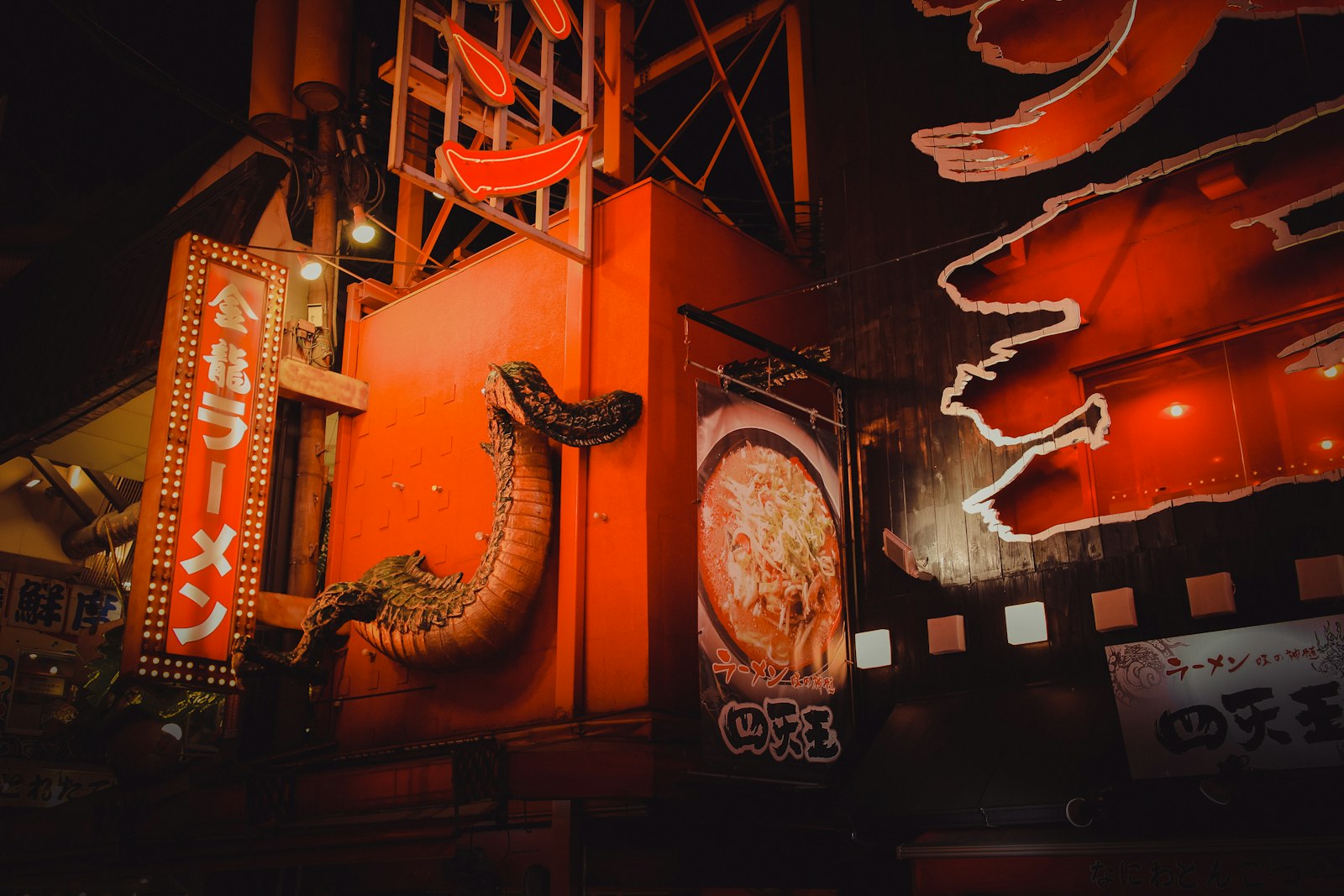
Namba, Shinsaibashi, and Dotonbori all sit within a 10-minute walk of each other along the Midosuji Line, and teamLab’s garden is a single direct subway ride south — so the whole day stays on one line with the canal-front finale saved for after dark, when the signage is at its best.
- 9:30 — Kuromon Ichiba Market. A covered market street a short walk from Namba/Nihonbashi stations, open roughly 9:00–17:00 (stall hours vary). Best treated as a grazing breakfast — grilled scallops, tamagoyaki, and fresh uni are all sold street-food style for a few hundred yen each.
- 11:00 — Shinsaibashi-suji. The covered shopping arcade running north from Dotonbori is Osaka’s main retail strip — worth an hour for browsing rather than a fixed stop.
- 13:00 — teamLab Botanical Garden Osaka. A short ride on the Midosuji Line to Nagai Station (about 15 minutes from Namba). Tickets run from roughly ¥2,200 per adult; the installations are built for after dark, so this works best as a late-afternoon-into-evening visit rather than a midday one — check the same-day online calendar, as hours shift seasonally.
- 19:00 — Back to Dotonbori. Retrace the Midosuji Line back to Namba (about 15 minutes) for the canal walk past the Glico running-man sign, which is lit nightly and is the classic couple’s photo spot in Osaka.
- 19:30 — Dinner in Dotonbori. Takoyaki stalls and okonomiyaki restaurants line the canal; for a sit-down finish, the crab and pufferfish restaurants under their oversized moving signs (Kani Doraku, Zuboraya) make a memorable last dinner of the trip, ¥3,000–5,000 per person.
Transfer Times Between Clusters
The only long-haul transfer in this whole itinerary is the one between Kyoto and Osaka at the end of Day 2 — everything else is a short ride within the same city.
| From → To | Best option | Approx. time |
|---|---|---|
| Fushimi Inari → Kiyomizu-dera (Day 1) | Keihan Main Line to Kiyomizu-Gojo + 10-min walk | ~15 min |
| Arashiyama → Nishiki Market (Day 2) | Randen Tram to Shijo-Omiya + short walk | ~25 min |
| Kyoto Station → Osaka Station (Day 2→3) | JR Special Rapid (Kyoto Line) | ~28 min |
| Kyoto Station → Shin-Osaka | Tokaido Shinkansen (JR Pass holders only) | ~12–13 min |
| Kyoto-Kawaramachi → Osaka-Umeda | Hankyu Kyoto Line | ~40 min |
| Sanjo (Kyoto) → Yodoyabashi (Osaka) | Keihan Main Line | ~50 min |
| Osaka Castle → Umeda (Day 3) | JR Osaka Loop Line, no transfer | ~15 min |
| Namba → teamLab / Nagai Park (Day 4) | Osaka Metro Midosuji Line | ~15 min |
Practical Notes
- IC card first: Load an ICOCA (or Suica/Pasmo, all interchangeable) at any station machine and tap through every train, subway, and bus on this itinerary — it saves fumbling with fare charts at each new line and works across JR, Keihan, Hankyu, and Osaka Metro alike.
- Skip the JR Pass for this trip: A 7-day Japan Rail Pass costs far more than the handful of local fares here (Kyoto–Osaka Special Rapid is ¥580 each way); it only pays off if you’re also taking a long-haul shinkansen leg elsewhere. For this itinerary, pay as you go.
- Osaka Metro day pass: If Day 3 or 4 involves more than two subway rides, the Enjoy Eco Card day pass (¥820 weekdays, ¥620 weekends/holidays) usually pays for itself and also gets small discounts at some attractions.
- Kimono rental in Kyoto: Couple’s plans in Gion start around ¥6,000–8,000 per person for a half-day rental with basic hair styling — book the morning slot on Day 1 so you’re dressed before the Kiyomizu-dera and Gion walk, when the setting suits it best.
- Evening illuminations: Kiyomizu-dera and Arashiyama run special night-illumination openings (extended hours, extra ~¥400 fee) during limited spring and autumn windows — check the current season’s dates before counting on an evening temple visit.
- Book teamLab ahead: Timed-entry tickets for teamLab Botanical Garden Osaka sell out on weekends and holidays; reserve online a few days out rather than assuming walk-up availability.
Recommended Travel Insurance
Between shinkansen transfers, temple hikes, and late-night canal walks, a flexible medical safety net is worth having. SafetyWing Nomad Insurance is a month-to-month travel medical plan built for trips like this one.
Recommended Tours & Activities
Book kimono rentals in Gion, teamLab Botanical Garden tickets, and skip-the-line temple tours ahead of time through GetYourGuide’s Kyoto tours page and Osaka tours page — most of the stops in this itinerary can be pre-booked there.
Planning more trips like this? See our full Couples & Honeymoon Itineraries Guide for more destinations.

About the Author
Mina Park
Mina Park is the route planner behind RouteDays. Over the past several years she has put together more than 60 day-by-day itineraries covering Asia, Europe, and North America, tracking real transit times, entrance fees, and nightly accommodation costs on each trip so every guide reflects an actual route rather than a generic city guide. She specializes in budget-first planning: every itinerary lists the cheapest reliable option first, whether that's an overnight bus instead of a domestic flight or a guesthouse instead of a hotel chain. Before starting RouteDays she spent three years working in travel logistics, coordinating multi-city tour schedules for small group trips across Southeast Asia.
🎒 Travel Gear We Recommend
Tried-and-tested essentials that make trips like this one smoother.
As an Amazon Associate we earn from qualifying purchases, at no extra cost to you.