- Korea’s Four Seasons at a Glance
- Why Spring and Autumn Are the Best Time to Visit Korea
- Month-by-Month Guide
- Holidays and Festivals to Plan Around
- How Season Affects Prices
- Best Time to Visit Korea by Travel Style
- Best Time to Visit Different Regions
- Tips for Traveling in the Off-Season
- What to Pack
- Korea and Japan in One Trip
- A Practical Scenario: A Trip in Early November
- Recommended Travel Insurance
- Recommended Tours & Activities
- Frequently Asked Questions
- Final Thoughts: Best Time to Visit Korea
As an Amazon Associate, we earn from qualifying purchases linked in this post.
Best time to visit Korea: for most travelers, it is spring (April to early June) or autumn (late September to November). These seasons bring mild temperatures, clear skies, cherry blossoms in early April, and spectacular autumn foliage from mid-October to mid-November. Summer is hot, humid, and includes the monsoon rains, while winter is cold and dry but offers skiing, snow-covered palaces, and lower hotel prices.
South Korea has four distinct seasons, and each one changes the experience. Below we break down the seasons, a month-by-month guide, festivals worth timing your trip around, how the season affects prices, and the best time to visit Korea for different travel styles.
Korea’s Four Seasons at a Glance
| Season | Months | Weather | Highlights |
|---|---|---|---|
| Spring | March–May | Mild, occasionally dusty | Cherry blossoms, flower festivals |
| Summer | June–August | Hot, humid, rainy season in July | Beaches in Busan, mountain valleys, nightlife |
| Autumn | September–November | Cool, clear, comfortable | Fall foliage, hiking, food festivals |
| Winter | December–February | Cold, dry, below freezing in Seoul | Skiing, snow scenes, winter festivals, lower prices |
The Korea Tourism Organization’s official VisitKorea website publishes seasonal guides, blossom forecasts, and festival calendars that are worth checking before you book.
Why Spring and Autumn Are the Best Time to Visit Korea
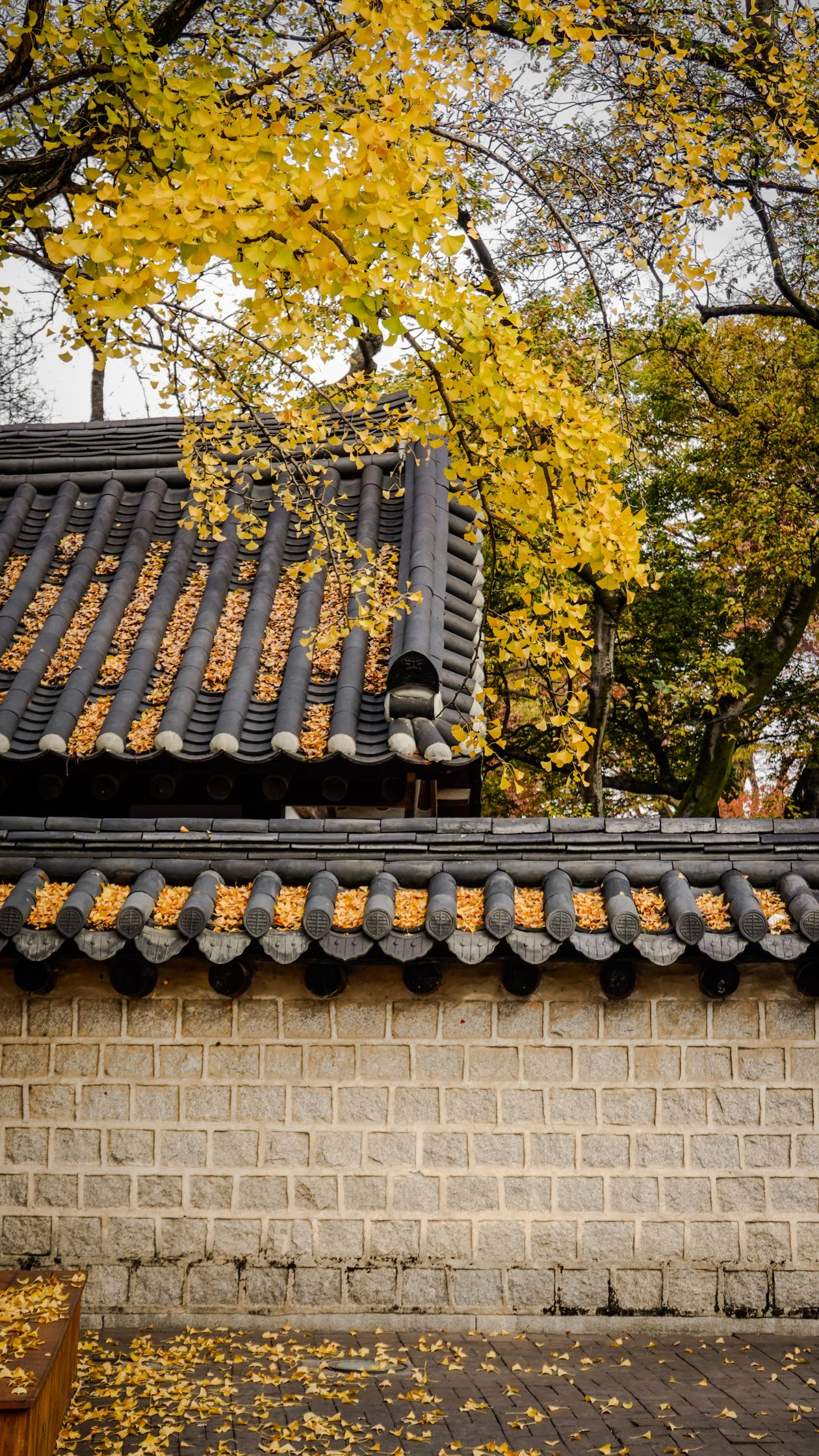
Spring and autumn combine comfortable temperatures with Korea’s most beautiful scenery. In early April, cherry blossoms line streets and rivers in Seoul, Gyeongju, and Busan, with festivals such as the Jinhae Gunhangje in the south often starting a little earlier. In autumn, mountains like Seoraksan and Naejangsan and palaces in Seoul turn red and gold. Hiking, walking palace grounds, and exploring markets are all most pleasant in these months. That is why the best time to visit Korea is usually spring or autumn.
The trade-off is crowds and prices. Blossom and foliage weeks are popular with both domestic and international travelers, so book hotels early.
Month-by-Month Guide
- January: very cold, dry, and clear. Good for skiing, winter festivals, and low hotel prices.
- February: still cold. Lunar New Year (Seollal) can fall in January or February, when many businesses close.
- March: warming up, with early blossoms in the south by late March. Fine dust can affect air quality.
- April: cherry blossom peak in Seoul around early April. Busy and beautiful.
- May: warm and green, with festivals and long daylight hours. One of the most pleasant months.
- June: warmer, with humidity rising before the rainy season.
- July: the monsoon, called jangma, brings heavy rain for several weeks.
- August: hot and humid, with beach season in Busan and summer school holidays.
- September: cooler and drier. Chuseok, the harvest holiday, can make transport and hotels busy.
- October: often considered the best month, with clear skies and autumn colors starting in the mountains.
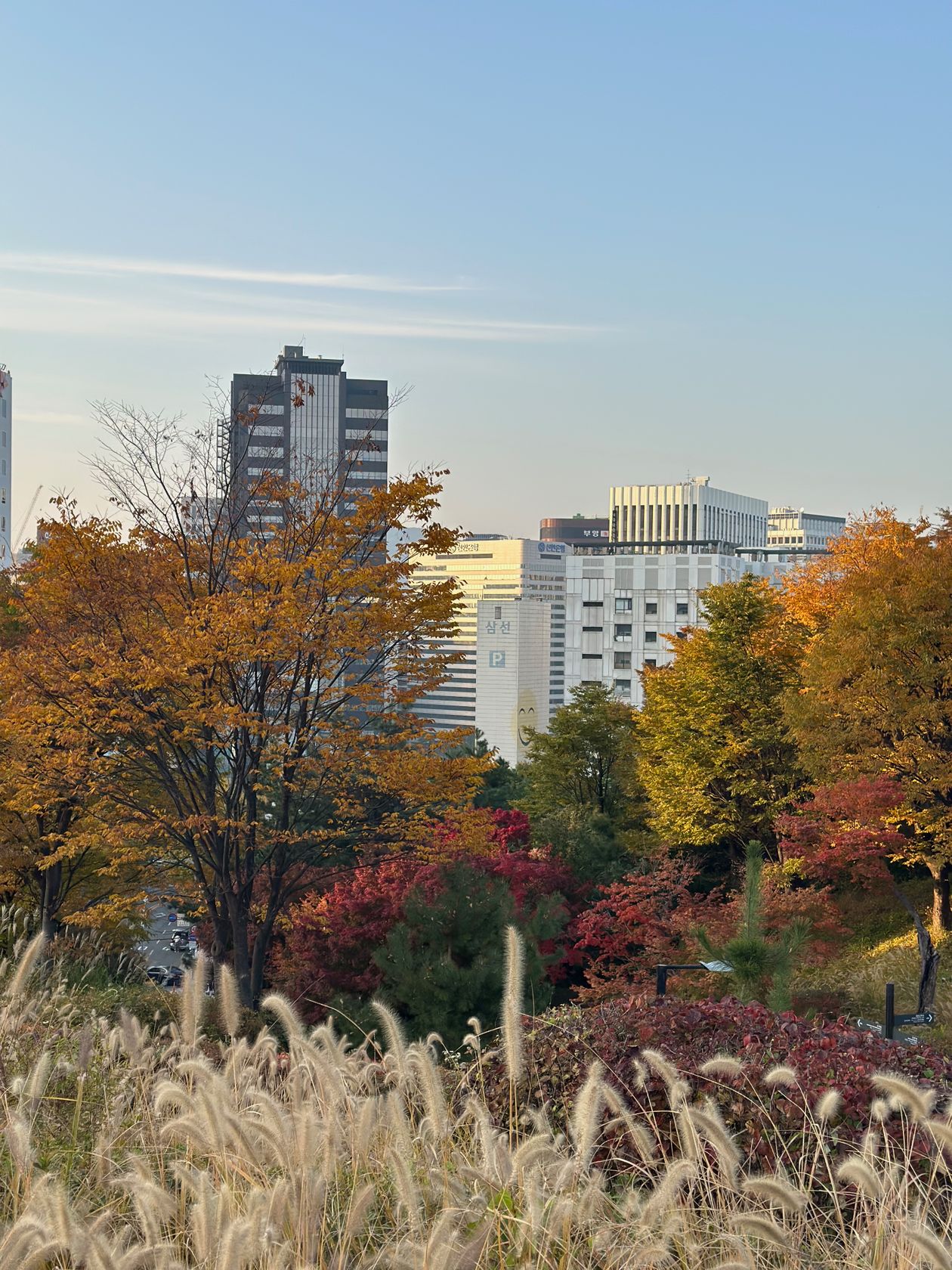
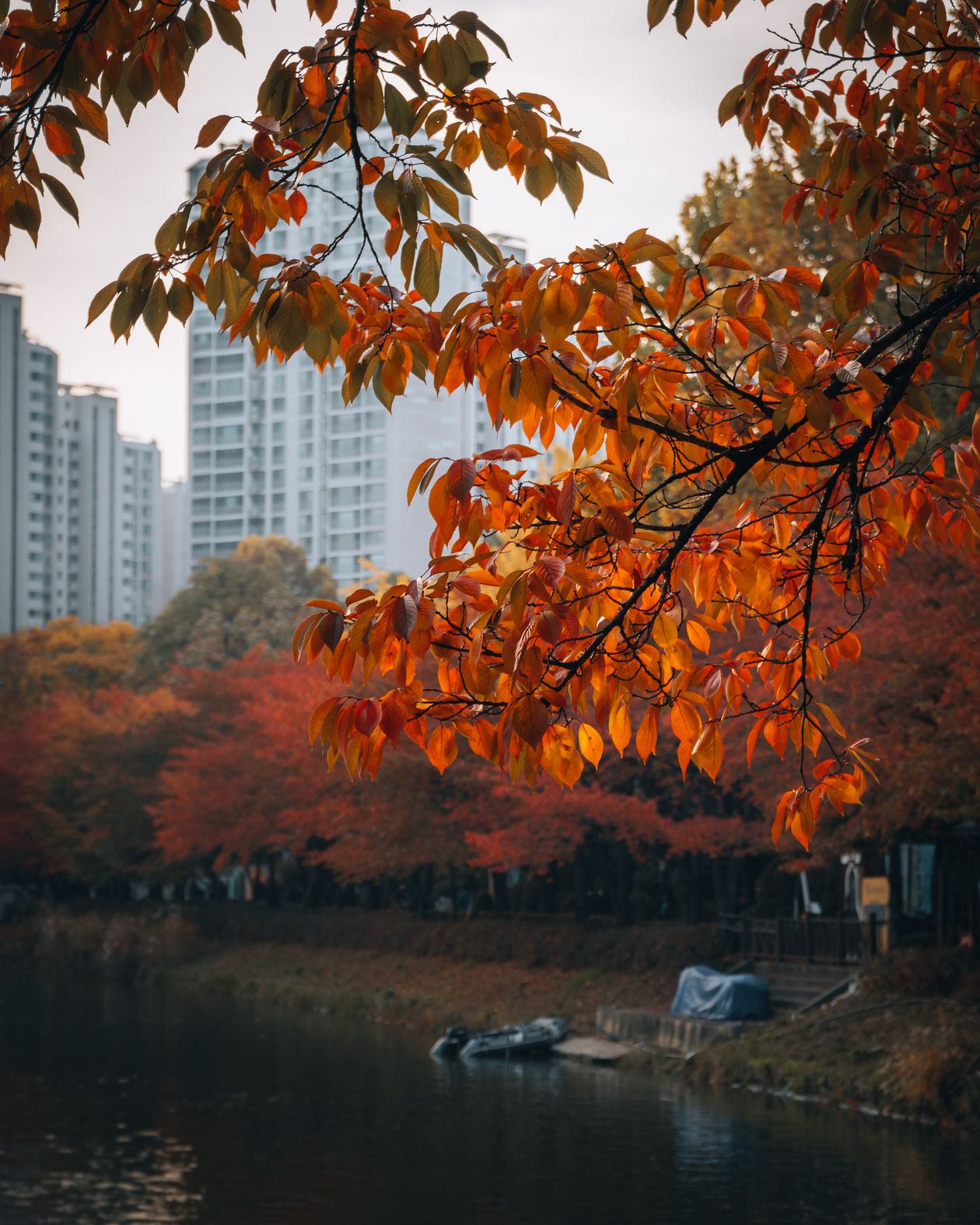
- November: foliage peaks in Seoul in early to mid-November, then turns crisp and cold.
- December: cold, festive, and quieter outside Christmas and New Year.
Holidays and Festivals to Plan Around
Two national holidays can affect your trip: Seollal (Lunar New Year) and Chuseok (the autumn harvest festival). During these periods, many Koreans travel to their hometowns, trains and buses sell out, and some restaurants and shops close, although major tourist areas in Seoul usually stay open. Fun festivals worth timing a trip around include cherry blossom festivals in spring, the Boryeong Mud Festival in summer, the Busan International Film Festival in early autumn, and lantern festivals in Seoul.
How Season Affects Prices
Hotel prices peak during blossom season, autumn foliage season, and major holidays. Winter, outside Christmas and New Year, is usually the cheapest time to visit, followed by the rainy summer months. If you are watching costs, our breakdown of how much a week in Korea costs shows how timing changes your total. Shoulder weeks, such as late May or late November, can offer good weather with slightly lower prices than the peak of the best time to visit Korea.
Best Time to Visit Korea by Travel Style
- First-time visitors: April–May or October–November.
- Photographers: early April for blossoms, late October to mid-November for foliage.
- Hikers: October for the clearest skies and fall colors.
- Budget travelers: January–February (outside Seollal) or late June.
- Beach lovers: late July and August in Busan, though it is hot and busy.
- Skiers: December to February in Gangwon Province.
Best Time to Visit Different Regions
Seoul
Spring and autumn are ideal for walking between palaces, markets, and neighborhoods. Summer evenings along the Han River are lively, while winter brings illuminations and cozy cafes. Air quality can occasionally be poor in early spring, so check forecasts and carry a mask if you are sensitive.
Busan and the South Coast
Busan’s beaches are busiest in July and August, but late spring and early autumn are more comfortable for exploring Gamcheon Culture Village, the fish market, and coastal walks. Winters are milder than in Seoul.
Jeju Island
Jeju is beautiful in spring, with canola fields and blossoms, and in autumn, when silver grass covers the hills. Summer can bring typhoon risks, so keep plans flexible in August and September.
Gangwon Province and the Mountains
Seoraksan National Park is famous for autumn foliage in mid-to-late October, while winter is ski season at resorts such as those in Pyeongchang.
Tips for Traveling in the Off-Season
Traveling outside the peak seasons has real advantages. In summer, plan indoor activities like museums, malls, and jjimjilbang spas for rainy afternoons, and visit popular sights early in the morning. In winter, dress in layers, enjoy hot street food like hotteok and fish cakes, and take advantage of quieter palaces and lower hotel prices. Many travelers find that the best time to visit Korea for them is simply when flights are cheapest, as long as they pack for the weather.
What to Pack
In spring and autumn, bring layers, since mornings and evenings can be cool. In summer, pack light clothes, an umbrella, and sun protection. In winter, you will need a warm coat, gloves, a hat, and thermal layers, especially in Seoul, where temperatures often drop well below freezing. Comfortable walking shoes are essential in every season.
Korea and Japan in One Trip
Many travelers combine Korea with Japan. Both countries share similar blossom and foliage seasons, so spring and autumn work well for a combined route. Our guide to the best time to visit Japan explains how the seasons compare. To plan your days in the capital, see our guide on how many days you need in Seoul.
A Practical Scenario: A Trip in Early November
Picture a couple planning a week in Korea in early November. Seoul’s palaces and parks are glowing with autumn colors, and Seoraksan’s peak foliage has just passed but lower valleys are still bright. They spend four days in Seoul and three in Gyeongju and Busan, packing a warm jacket for chilly evenings. For this couple, the best time to visit Korea is exactly when they are going, as long as they book hotels early.
Recommended Travel Insurance
Before you go, it’s worth having travel insurance that covers medical emergencies, trip interruption, and lost luggage on your Seoul trip. We use and recommend SafetyWing’s Nomad Insurance — it covers 180+ countries, can be bought even after you’ve left home, and is billed monthly instead of one big upfront payment.
Recommended Tours & Activities
Want to lock in the best experiences in Seoul before you arrive? We use GetYourGuide to compare and book tours, skip-the-line tickets, and day trips in advance, with free cancellation on most listings.
Disclosure: this post contains affiliate links. If you book or sign up through them, we may earn a small commission at no extra cost to you.
Frequently Asked Questions
What is the best time to visit Korea for cherry blossoms?
Late March in the south and early April in Seoul, though exact dates vary each year.
Is summer a good time to visit Korea?
It can be, but expect heat, humidity, and heavy rain in July.
When is Korea cheapest to visit?
Usually in winter, outside Christmas, New Year, and Seollal.
How cold does Korea get in winter?
Seoul often drops below freezing, sometimes to around -10°C (14°F) on the coldest days.
Should I avoid Chuseok?
Not necessarily, but book transport early and expect some closures.
Final Thoughts: Best Time to Visit Korea
The best time to visit Korea for most travelers is spring, from April to early June, or autumn, from late September to November, when the weather is mild and the scenery is at its best. Summer suits beach lovers who can handle humidity, and winter offers skiing and lower prices. Plan around Seollal and Chuseok, book early for blossom and foliage seasons, and pack for the season you choose.

About the Author
RouteDays Team
RouteDays is an independent travel-planning site. We build day-by-day routes from official transit timetables, attraction websites and current price listings, use AI writing tools to help draft each guide, and review every guide before it goes live. We have not personally visited every city we cover, so travel times and prices are estimates: please confirm them with the official sources linked in each guide before you book. Spotted something out of date? Tell us through the Contact page.
🎒 Travel Gear We Recommend
Tried-and-tested essentials that make trips like this one smoother.
As an Amazon Associate we earn from qualifying purchases, at no extra cost to you.