- Quick Answer: London Seasons at a Glance
- Spring (March to May)
- Summer (June to August)
- Autumn (September to November)
- Winter (December to February)
- Month-by-Month Overview
- Prices, Crowds, and School Holidays
- What to Pack for London Weather
- Best Time to Visit London by Travel Style
- Weather Reality Check
- Major Events Worth Planning Around
- Plan Your London Trip
- Recommended Travel Insurance
- Recommended Tours & Activities
- A Practical Scenario: A September City Break
- Frequently Asked Questions
- Final Thoughts: Best Time to Visit London
As an Amazon Associate, we earn from qualifying purchases linked in this post.
Best time to visit London? For most travelers, the best time to visit London is late spring (May to early June) or early autumn (September to early October), when the weather is mild, parks are green, and crowds are lighter than in peak summer. Summer brings long days and outdoor events but higher prices, while winter offers festive markets and lower hotel rates in exchange for short, gray days.
London’s weather is famously changeable in every season, so the right time depends on what matters most to you: sunshine, prices, crowds, or events. Below we compare each season, share a month-by-month guide, explain how school holidays affect prices, and offer packing tips so you can choose the dates that fit your trip.
Quick Answer: London Seasons at a Glance
This table summarizes the best time to visit London by season.
| Season | Months | Typical Highs | Crowds and Prices |
|---|---|---|---|
| Spring | March–May | 11–18°C (52–64°F) | Moderate, rising in May |
| Summer | June–August | 21–24°C (70–75°F) | Busiest and most expensive |
| Autumn | September–November | 11–20°C (52–68°F) | Moderate, good value after September |
| Winter | December–February | 8–9°C (46–48°F) | Quiet except December holidays |
Spring (March to May)
Spring brings blossoming trees in Greenwich Park and Kew Gardens, longer days, and comfortable sightseeing weather. Late April and May are especially lovely, and the Chelsea Flower Show usually takes place in May. Easter holidays can push prices up for a week or two, so check school holiday dates. For many travelers, May is the single best time to visit London.
Summer (June to August)
Summer offers the warmest weather and the longest days, with daylight stretching past 9 pm in June. Outdoor theaters, festivals, rooftop bars, and park picnics make the city feel alive. Wimbledon, Trooping the Colour, and Notting Hill Carnival draw big crowds. The trade-off is peak hotel prices and long lines at major attractions, plus occasional heatwaves on a transport network without much air conditioning.
Autumn (September to November)
September often brings warm, settled weather after the summer crowds leave, making it a strong contender for the best time to visit London. October adds autumn colors in the parks and the London Film Festival, while November brings Bonfire Night fireworks on November 5 and the start of Christmas lights. Hotel rates usually soften after mid-September.
Winter (December to February)
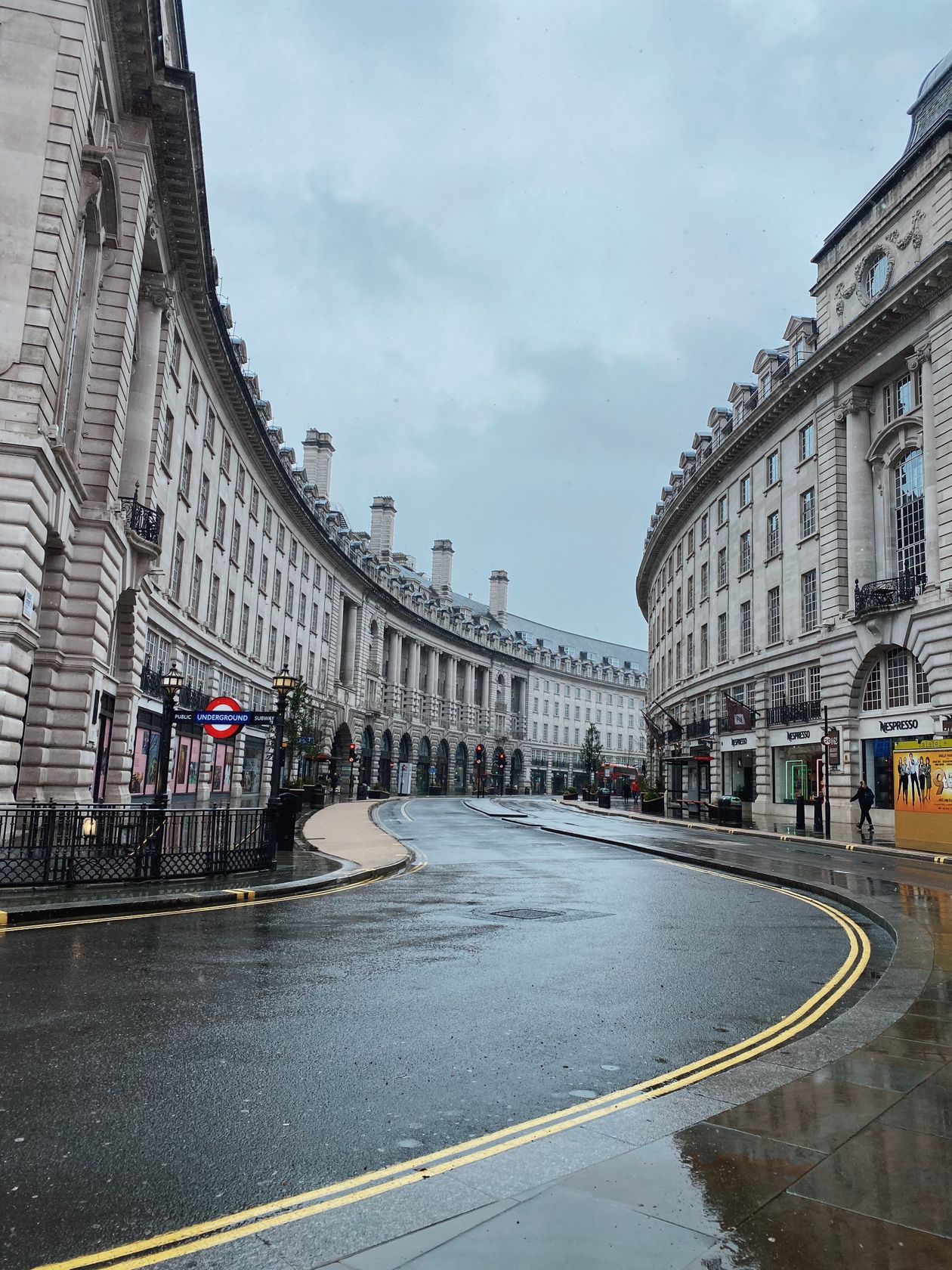
December is festive and busy, with Christmas markets, ice rinks, Winter Wonderland in Hyde Park, and dazzling lights on Oxford and Regent Streets. January and February are the quietest and cheapest months, ideal for museums, theater deals, and cozy pubs. Days are short, with darkness around 4 pm, and weather is cold and damp, but rarely snowy.
Month-by-Month Overview
- January: quiet, cheap, and good for theater deals; the January sales start.
- February: still cold and quiet; half-term week is busier.
- March: early spring blooms and fewer crowds.
- April: blossoms and Easter crowds; mild but changeable.
- May: one of the best months, with long days and gardens in bloom.
- June: warm and lively; prices rise.
- July–August: peak season and school holidays; busiest time.
- September: often warm with fewer crowds; excellent value.
- October: autumn colors and cultural festivals.
- November: fireworks and early Christmas lights; cooler and wetter.
- December: festive markets and lights; busy before Christmas.
Prices, Crowds, and School Holidays
UK school holidays, especially late July through August, Easter, and the October half-term, push up family demand and hotel prices. If you want lower prices, the best time to visit London is January, February, or November, excluding major events. For the best balance of weather and cost, aim for May, early June, or September. See our breakdown of how much a week in London costs for budgets by travel style.
What to Pack for London Weather
- A compact umbrella and a waterproof jacket in every season.
- Layers, since temperatures can swing during the day.
- Comfortable walking shoes, ideally water-resistant.
- A warm coat, hat, and gloves from November to March.
- Sunglasses and light clothing for summer heatwaves.
Best Time to Visit London by Travel Style
Families often aim for late spring or early September to avoid the busiest school holidays. Couples love December for festive lights or May for long evening walks along the Thames. Budget travelers should consider January, February, and November. Theater fans can find great deals in the quieter winter months. Whatever you choose, the best time to visit London is the season that matches the experience you want most. Check event listings on Visit London before you book.
Weather Reality Check
London rarely has extreme weather, but rain can appear in any month, and a sunny morning can turn gray by afternoon. Average rainfall is spread fairly evenly through the year, with autumn and early winter slightly wetter. Plan indoor backups such as the British Museum, the National Gallery, and covered markets, and you will enjoy the city whatever the sky does.
Major Events Worth Planning Around
- New Year’s Eve fireworks along the Thames (ticketed viewing areas).
- The London Marathon in April, which closes many central roads.
- The Chelsea Flower Show in May, popular with garden lovers.
- Trooping the Colour in June, celebrating the monarch’s official birthday.
- Wimbledon from late June to mid-July.
- Notting Hill Carnival on the August bank holiday weekend.
- Bonfire Night on November 5, with fireworks across the city.
- Christmas markets and Winter Wonderland from late November to early January.
Big events add atmosphere but also raise hotel prices and crowd levels nearby, so book early if your dates overlap with one, or choose quieter weeks if you prefer calmer sightseeing.
Plan Your London Trip
Once you have dates, see our guide on how many days you need in London and our London 4-day itinerary for families.
Recommended Travel Insurance
Before you go, it’s worth having travel insurance that covers medical emergencies, trip interruption, and lost luggage on your London trip. We use and recommend SafetyWing’s Nomad Insurance — it covers 180+ countries, can be bought even after you’ve left home, and is billed monthly instead of one big upfront payment.
Recommended Tours & Activities
Want to lock in the best experiences in London before you arrive? We use GetYourGuide to compare and book tours, skip-the-line tickets, and day trips in advance, with free cancellation on most listings.
Disclosure: this post contains affiliate links. If you book or sign up through them, we may earn a small commission at no extra cost to you.
A Practical Scenario: A September City Break
Imagine a couple planning a five-day trip in mid-September. Days are around 19°C, schools are back in session, and hotel rates are lower than in August. They enjoy outdoor markets, a Thames walk, and a West End show without long lines at major museums. For them, the best time to visit London was clearly early autumn.
Frequently Asked Questions
What is the best time to visit London for good weather?
May, June, and September usually offer the best balance of warmth and fewer crowds.
What is the cheapest month to visit London?
January and February are typically the cheapest for hotels.
Is August a good time for London?
August has warm weather and long days, but it is the busiest and priciest month because of school holidays.
Does it rain a lot in London?
Rain is common but usually light; bring an umbrella in every season.
How far ahead should I book London hotels?
For summer and December, book two to three months ahead; in quieter months, a few weeks is usually enough. Booking early also gives you more choice of central, well-connected neighborhoods.
Is London worth visiting in winter?
Yes, especially in December for festive lights and markets, or in January for deals.
Final Thoughts: Best Time to Visit London
The best time to visit London is late spring or early autumn for mild weather and manageable crowds, with summer offering the liveliest atmosphere and winter the best prices and festive charm. Avoid school holiday peaks if you want lower prices, book major attractions ahead, pack layers and an umbrella, and plan indoor backups for rainy days.

About the Author
RouteDays Team
RouteDays is an independent travel-planning site. We build day-by-day routes from official transit timetables, attraction websites and current price listings, use AI writing tools to help draft each guide, and review every guide before it goes live. We have not personally visited every city we cover, so travel times and prices are estimates: please confirm them with the official sources linked in each guide before you book. Spotted something out of date? Tell us through the Contact page.
🎒 Travel Gear We Recommend
Tried-and-tested essentials that make trips like this one smoother.
As an Amazon Associate we earn from qualifying purchases, at no extra cost to you.