- Thailand’s Three Seasons
- Best Time to Visit Thailand by Region
- Month-by-Month Overview
- Festivals Worth Planning Around
- How Timing Affects Your Budget
- Best Time to Visit Thailand by Travel Style
- Tips for Traveling Outside the Ideal Season
- What to Pack for Each Season
- Thailand Within a Bigger Southeast Asia Trip
- A Practical Scenario: Two Weeks in March
- Recommended Travel Insurance
- Recommended Tours & Activities
- Frequently Asked Questions
- Final Thoughts: Best Time to Visit Thailand
As an Amazon Associate, we earn from qualifying purchases linked in this post.
Best time to visit Thailand: for most of the country, it is the cool, dry season from November to February, when skies are clear, humidity is lower, and beach conditions on the Andaman coast (Phuket, Krabi, Koh Lanta) are at their best. March to May is the hot season, and June to October is the rainy season, which brings lower prices and fewer crowds. The Gulf islands such as Koh Samui follow a different pattern, with their main rains from about October to December.
Thailand is a year-round destination, and the right month for you depends on where you are going, what you want to do, and how much you want to spend. Below we break down the seasons, the best months by region, festivals worth planning around, and how timing affects your budget.
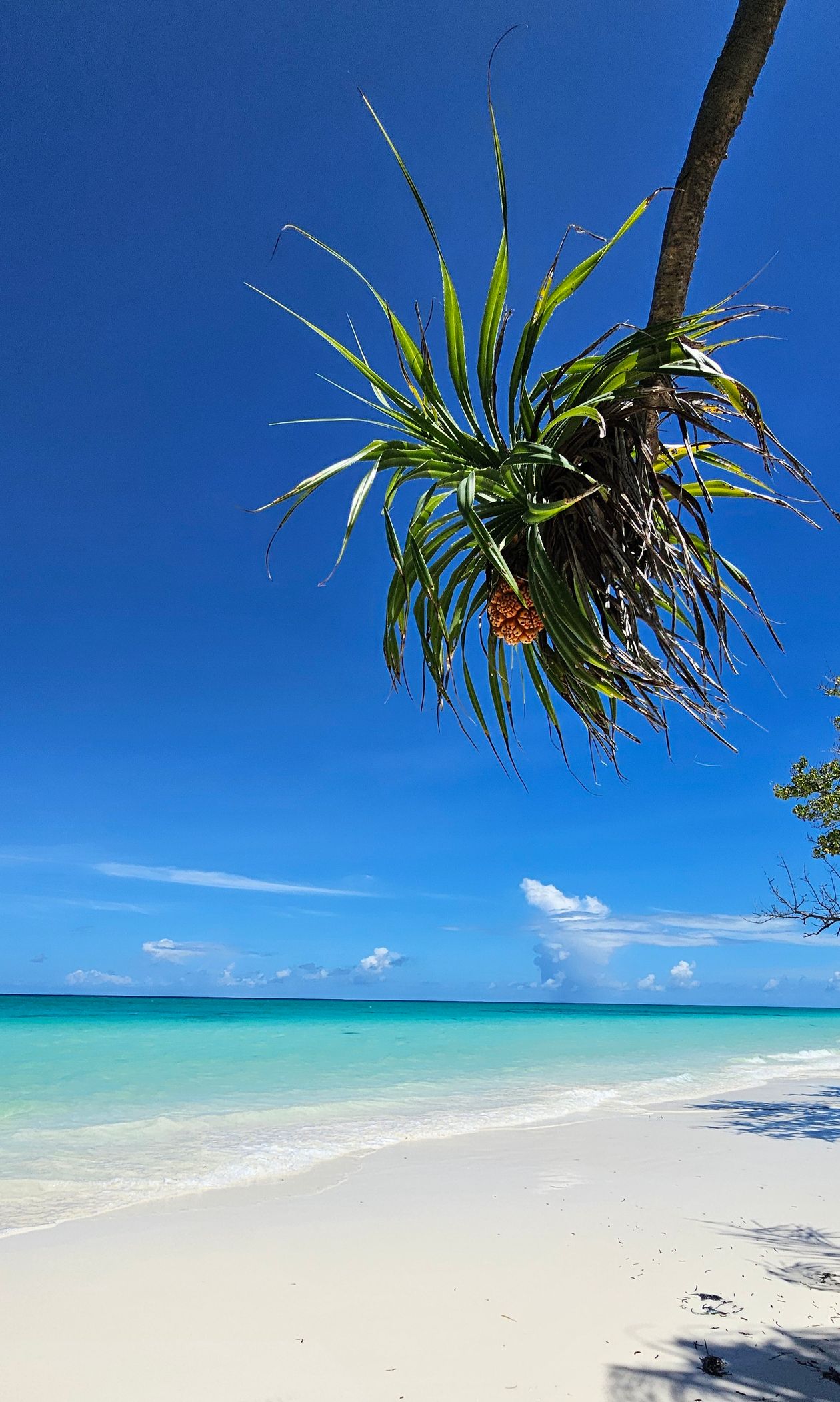
Thailand’s Three Seasons
| Season | Months | Weather | Good For |
|---|---|---|---|
| Cool and dry | November–February | Sunny, lower humidity, pleasant evenings | Beaches, sightseeing, northern treks |
| Hot | March–May | Very hot, often above 35°C (95°F) | Islands with sea breezes, Songkran festival |
| Rainy | June–October | Afternoon downpours, green landscapes | Lower prices, fewer crowds, Gulf islands until September |
The Tourism Authority of Thailand’s official tourism website lists regional weather and festival dates, which are worth checking before you book. Weather patterns can vary from year to year, so treat any seasonal guide as a general pattern rather than a guarantee.
Best Time to Visit Thailand by Region
Bangkok and Central Thailand
November to February is the most comfortable time for walking around Bangkok’s temples, markets, and neighborhoods. The hot season can be draining, and the rainy season brings short, heavy storms that usually pass quickly. Our Bangkok 3-day itinerary works well in any season if you plan indoor breaks during the hottest or wettest hours.
Northern Thailand (Chiang Mai, Chiang Rai, Pai)
November to February brings cool mornings and is ideal for trekking and temple visits. Avoid late February to April if you are sensitive to air quality, since agricultural burning often causes smoky haze in the north. The rainy season turns the mountains green and is good for waterfalls.
Andaman Coast (Phuket, Krabi, Koh Lanta, Koh Phi Phi)
The best time to visit Thailand’s west coast is November to April, with calm seas and clear water for snorkeling and island hopping. From May to October, monsoon winds bring rougher seas, and some boat trips and island resorts reduce services.
Gulf of Thailand (Koh Samui, Koh Phangan, Koh Tao)
The Gulf islands are often good from January to September, including much of the summer when the Andaman coast is wet. Their heaviest rains usually fall from October to December.

Month-by-Month Overview
- January: one of the best months nationwide, with dry, sunny weather. Busy and pricey on the Andaman coast.
- February: still excellent for beaches; air quality in the north can start to decline late in the month.
- March: heating up, great for islands, quieter than peak season.
- April: the hottest month, with Songkran celebrations in mid-April.
- May: hot and humid, with the first rains arriving; good hotel deals begin.
- June to August: rainy season on the Andaman coast and in Bangkok, but often good weather on Koh Samui, Koh Phangan, and Koh Tao.
- September: usually the wettest month in Bangkok and many western areas; the lowest prices of the year.
- October: rains begin to ease in the west and north; the Gulf islands start getting wetter.
- November: the cool, dry season begins, with Loy Krathong celebrations and fresh green landscapes.
- December: excellent weather in most regions, but the busiest and most expensive period, especially around Christmas and New Year.
This overview shows why the best time to visit Thailand really depends on region. A month that is wet in Phuket can be sunny on Koh Samui, and a month that is perfect for beaches may be too hazy for trekking in the north.
Festivals Worth Planning Around
- Songkran (mid-April): Thai New Year, famous for nationwide water fights. Fun, busy, and very wet.
- Loy Krathong (November, on the full moon of the twelfth lunar month): floating candlelit baskets on rivers, with Yi Peng lantern events in Chiang Mai.
- Vegetarian Festival (around October in Phuket): dramatic processions and meat-free street food.
Festivals are memorable, but prices and crowds rise around them, so book accommodation early if you plan to attend.
How Timing Affects Your Budget
Peak season, especially from mid-December to early January, brings the highest hotel prices and the biggest crowds. The rainy season is the cheapest time to travel, with hotel discounts and quieter beaches, especially in Bangkok, the north, and the Gulf islands during the summer. Shoulder months such as early November and late April can offer good weather with more reasonable prices. Our breakdown of how much a week in Thailand costs shows how much season can change your total.
Best Time to Visit Thailand by Travel Style
- Beach lovers: Andaman coast from December to March; Gulf islands from January to August.
- Budget travelers: June to September, especially for Bangkok, Chiang Mai, and Koh Samui.
- Families: November to February for comfortable temperatures.
- Divers: Andaman Sea from November to April; Koh Tao for much of the year.
- Festival seekers: April for Songkran, November for Loy Krathong.
Tips for Traveling Outside the Ideal Season
Even if you cannot travel during the best time to visit Thailand, you can still have a great trip. In the rainy season, plan outdoor sightseeing for the morning, keep afternoons flexible for museums, spas, and cafes, and book refundable tours in case boats are cancelled. In the hot season, start early, rest at midday, and choose hotels with pools. Travel insurance that covers weather disruptions is worth considering in any season.
Choosing the right region matters most. Simply switching coasts, or spending more time in Bangkok and the north when the islands are stormy, often turns a so-so season into the best time to visit Thailand for your particular trip.
What to Pack for Each Season
Pack light, breathable clothing year-round, plus modest options for temples that cover shoulders and knees. In the cool season, bring a light layer for northern evenings. In the hot season, sun protection and a refillable water bottle are essential. In the rainy season, add a compact umbrella or rain jacket and quick-dry shoes.

Thailand Within a Bigger Southeast Asia Trip
If you are combining Thailand with neighboring countries, keep in mind that weather patterns differ across the region. Our guide to the best time to visit Southeast Asia explains how to plan a route that follows the best weather from one country to the next. In general, November to March works well for a combined trip through Thailand, Cambodia, and Vietnam, although northern Vietnam is cooler during those months.
A Practical Scenario: Two Weeks in March
Picture a couple who can only travel in March. Bangkok will be hot, and the north may be hazy, so they spend two days in Bangkok with indoor museum and mall breaks, then head straight to the Andaman coast for ten days of beaches, snorkeling, and island hopping while the seas are still calm. For this couple, the best time to visit Thailand is whenever they can go, as long as they choose the right regions for that month.
Recommended Travel Insurance
Before you go, it’s worth having travel insurance that covers medical emergencies, trip interruption, and lost luggage on your Thailand trip. We use and recommend SafetyWing’s Nomad Insurance — it covers 180+ countries, can be bought even after you’ve left home, and is billed monthly instead of one big upfront payment.
Recommended Tours & Activities
Want to lock in the best experiences in Thailand before you arrive? We use GetYourGuide to compare and book tours, skip-the-line tickets, and day trips in advance, with free cancellation on most listings.
See top-rated Thailand tours →
Disclosure: this post contains affiliate links. If you book or sign up through them, we may earn a small commission at no extra cost to you.
Frequently Asked Questions
What is the best time to visit Thailand for beaches?
December to March for the Andaman coast, and January to August for the Gulf islands.
Is the rainy season a bad time to visit Thailand?
Not necessarily. Rain often comes in short afternoon bursts, prices drop, and landscapes are lush.
When is Thailand cheapest?
Usually from June to September, outside major holidays.
What is the hottest month in Thailand?
April is typically the hottest month across much of the country.
Is November a good time to visit Thailand?
Yes. November marks the start of the cool, dry season and often offers good weather before peak-season prices.
Final Thoughts: Best Time to Visit Thailand
The best time to visit Thailand for most travelers is November to February, with dry weather and comfortable temperatures across most regions. March to May suits island lovers who can handle heat, and June to October offers lower prices and green landscapes, especially on the Gulf islands in summer. Match your region to the season, plan around festivals if they interest you, and Thailand can be a great trip in almost any month.

About the Author
RouteDays Team
RouteDays is an independent travel-planning site. We build day-by-day routes from official transit timetables, attraction websites and current price listings, use AI writing tools to help draft each guide, and review every guide before it goes live. We have not personally visited every city we cover, so travel times and prices are estimates: please confirm them with the official sources linked in each guide before you book. Spotted something out of date? Tell us through the Contact page.
🎒 Travel Gear We Recommend
Tried-and-tested essentials that make trips like this one smoother.
As an Amazon Associate we earn from qualifying purchases, at no extra cost to you.