- Quick Answer: Days in Kyoto by Travel Style
- Why Three Days Works Best for Most Travelers
- Sample 3-Day Kyoto Itinerary
- When an Extra Day Is Worth It
- Kyoto as Part of a Bigger Japan Trip
- Where to Stay to Save Time
- Budget Tips for Kyoto
- Best Time to Visit Kyoto
- Tips to Make the Most of Limited Time
- A Practical Scenario: One Week in Japan
- Recommended Travel Insurance
- Recommended Tours & Activities
- Frequently Asked Questions
- Final Thoughts: How Many Days Do You Need in Kyoto?
As an Amazon Associate, we earn from qualifying purchases linked in this post.
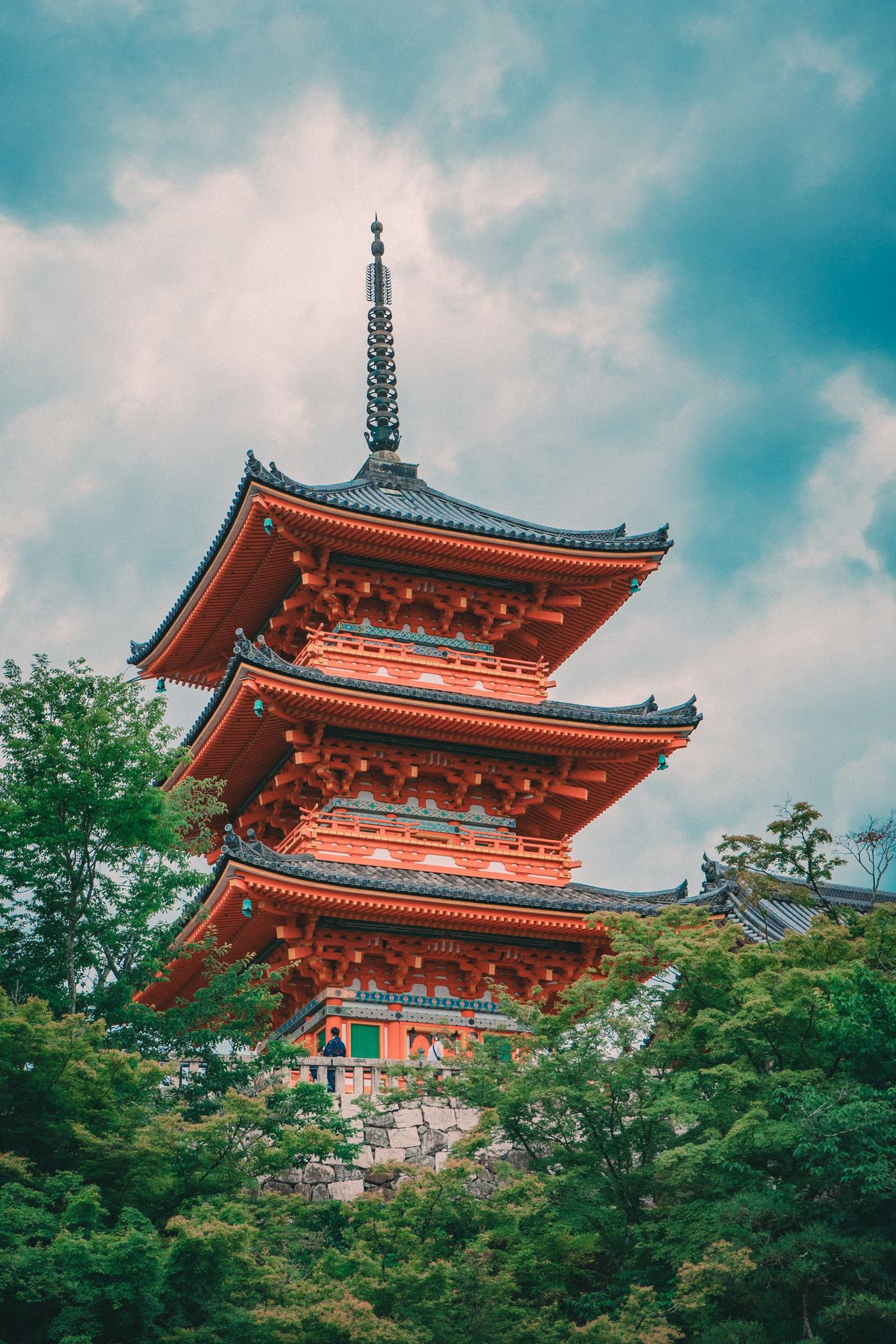
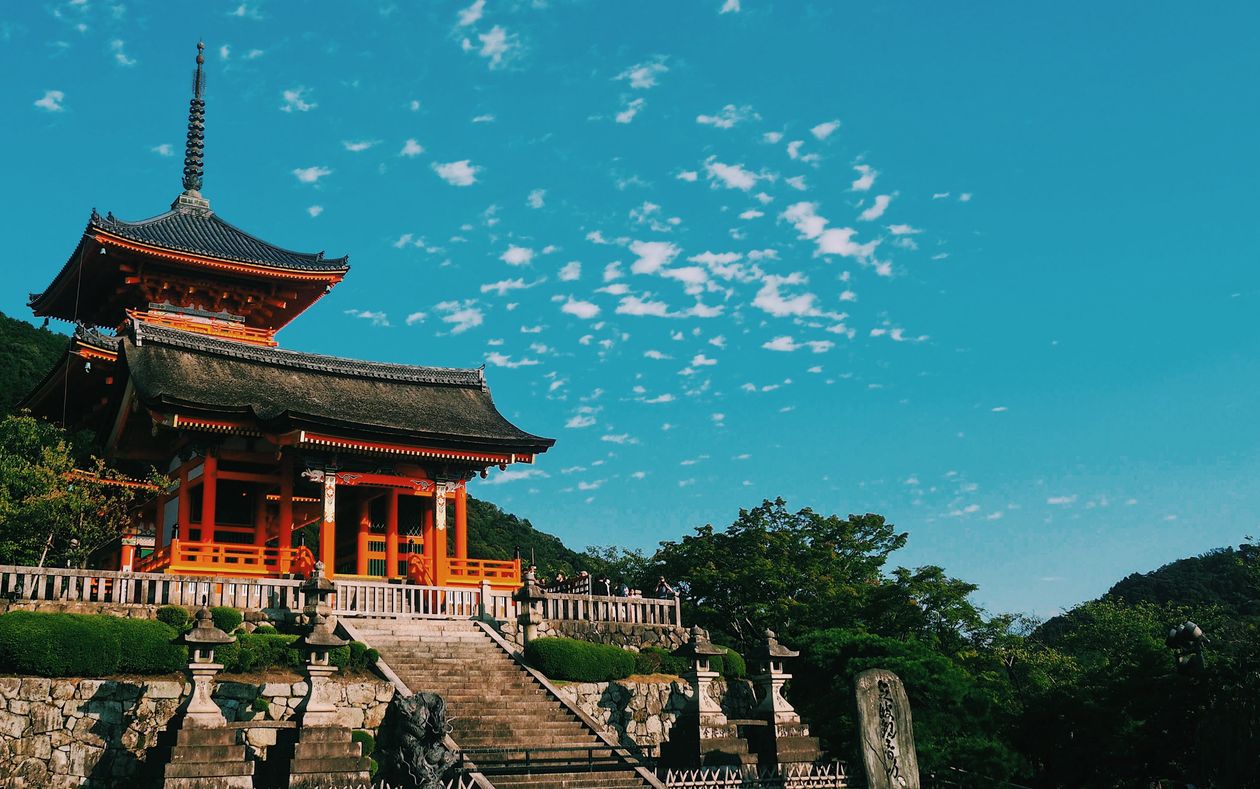
How many days do you need in Kyoto? For most first-time visitors, three full days is the sweet spot. That gives you time to see the big icons such as Fushimi Inari, Kiyomizu-dera, and the Arashiyama bamboo grove without rushing, plus an evening or two wandering Gion and the old lanes of Higashiyama. Two days works if you are short on time and willing to start early, while four or five days lets you add a day trip to Nara, explore quieter temples, and slow down.
Kyoto is compact but packed: more than a thousand temples and shrines, several distinct neighborhoods, and attractions spread across the city’s edges. The right length depends on your pace, your budget, and whether you are combining Kyoto with Tokyo or Osaka. Below we break down what you can realistically see in each length of stay, a sample three-day plan, budget tips, and when an extra day is worth it.
Quick Answer: Days in Kyoto by Travel Style
Use this table as a quick guide to how many days do you need in Kyoto for your trip.
| Trip Length | Best For | What You Can Cover |
|---|---|---|
| 1 day | Day trip from Osaka | Fushimi Inari early morning, Kiyomizu-dera, Gion in the evening |
| 2 days | Tight schedules | Main eastern sights plus Arashiyama |
| 3 days | Most first-time visitors | All major highlights at a comfortable pace |
| 4–5 days | Slow travelers, culture lovers | Nara day trip, northern temples, tea ceremony, markets |
| 6+ days | Deep exploration | Uji, Kurama, Ohara, and neighborhood wandering |
Why Three Days Works Best for Most Travelers
Kyoto’s main sights cluster in a few areas: Higashiyama and Gion in the east, Arashiyama in the west, Fushimi Inari in the south, and the Golden Pavilion and northern temples in the northwest. Each area deserves at least half a day, and traveling between them by bus or train takes time. Three days lets you dedicate a morning or afternoon to each area, start early to beat the crowds, and still have evenings free for dinner in Pontocho or a stroll through lantern-lit streets.
The Japan National Tourism Organization’s official Kyoto travel guide highlights the city’s temples, gardens, and seasonal festivals, many of which are best enjoyed slowly. That is why our honest answer to how many days do you need in Kyoto leans toward three rather than squeezing everything into one rushed day.
Sample 3-Day Kyoto Itinerary
Day 1: Southern and Eastern Kyoto
Start at Fushimi Inari Taisha at sunrise, when the famous red torii gates are quiet. Hike partway up the mountain, then take the train back toward central Kyoto. In the afternoon, walk the preserved streets of Sannenzaka and Ninenzaka up to Kiyomizu-dera. End the day in Gion, where you may glimpse a geiko or maiko heading to an appointment in the early evening.
Day 2: Arashiyama and the West
Arrive at the Arashiyama bamboo grove early, then visit Tenryu-ji’s garden and the Togetsukyo Bridge. If you have energy, climb to the Iwatayama Monkey Park for city views. In the afternoon, head to Kinkaku-ji, the Golden Pavilion, and nearby Ryoan-ji with its famous rock garden.
Day 3: Culture and Markets
Browse Nishiki Market for street snacks, visit Nijo Castle, and stroll the Philosopher’s Path past smaller temples such as Ginkaku-ji and Nanzen-ji. Book a tea ceremony or a kimono rental if you want a hands-on cultural experience.
When an Extra Day Is Worth It
Add a fourth day if you want to visit Nara, about 45 minutes away by train, to see its giant Buddha and friendly deer. Add a fifth if you are visiting in peak cherry blossom season or autumn foliage season, when crowds slow everything down, or if you simply prefer a relaxed pace. Photographers, garden lovers, and anyone interested in Japanese crafts usually find that how many days do you need in Kyoto quickly grows to four or five once they see how much there is.
Kyoto as Part of a Bigger Japan Trip
Most travelers combine Kyoto with Tokyo and often Osaka. A common one-week route is three days in Tokyo, three in Kyoto, and one in Osaka. Our guide on how many days you need in Tokyo helps you balance the two cities, and our Osaka and Kyoto 4-day itinerary shows how to split time between the neighbors. Staying in Kyoto and day-tripping to Osaka, or the other way around, is easy because the trains are frequent and fast.
Where to Stay to Save Time
Your base can stretch or shrink how many days do you need in Kyoto. Staying near Kyoto Station is ideal if you plan day trips to Nara or Osaka, since trains leave from right there. The Shijo and Kawaramachi area puts you within walking distance of Gion, Nishiki Market, and plenty of restaurants, which saves time every evening. Light sleepers who want a quieter stay often prefer Higashiyama, though it is less convenient for western sights like Arashiyama.
Budget Tips for Kyoto
- Stay near Kyoto Station or Shijo: both have good transport links and a wide range of hotel prices.
- Use day bus or subway passes if you plan several rides in a day; compare prices before buying.
- Visit free sights: Fushimi Inari, the bamboo grove, Gion’s streets, and many shrine grounds cost nothing.
- Eat lunch sets: many restaurants offer lunch menus at a fraction of dinner prices.
- Travel off-peak: hotel prices jump during cherry blossom and autumn foliage seasons.
Budget-conscious travelers can often keep daily costs modest by mixing free sights with one or two paid temples per day. Ticket prices for major temples are usually a few hundred to around a thousand yen each.
Best Time to Visit Kyoto
Spring (late March to early April) and autumn (mid-November to early December) are the most beautiful but also the busiest and most expensive. Early summer and winter are quieter, with lower hotel prices, though summer can be very hot and humid. Our guide to the best time to visit Japan covers each season in detail, and your timing can change how many days do you need in Kyoto, since crowded seasons slow you down.
Tips to Make the Most of Limited Time
- Start early. Major sights are dramatically quieter before 8 a.m.
- Group sights by area to avoid crossing the city repeatedly.
- Use trains for longer hops and buses or walking for short ones; buses can be slow at peak times.
- Keep evenings for Gion and Pontocho, which are at their most atmospheric after dark.
- Be respectful in Gion. Do not chase or photograph geiko and maiko without permission, and follow local signs about private lanes.
A Practical Scenario: One Week in Japan
Picture a solo traveler with seven days in Japan who loves history and food but dislikes rushing. They spend three days in Tokyo, then take the bullet train to Kyoto. For this traveler, the honest answer to how many days do you need in Kyoto is three full days, plus one half-day trip to Nara on the way to Osaka for their final night before flying home from Kansai Airport. That balance covers the essentials without feeling like a checklist.
Recommended Travel Insurance
Before you go, it’s worth having travel insurance that covers medical emergencies, trip interruption, and lost luggage on your Kyoto trip. We use and recommend SafetyWing’s Nomad Insurance — it covers 180+ countries, can be bought even after you’ve left home, and is billed monthly instead of one big upfront payment.
Recommended Tours & Activities
Want to lock in the best experiences in Kyoto before you arrive? We use GetYourGuide to compare and book tours, skip-the-line tickets, and day trips in advance, with free cancellation on most listings.
Disclosure: this post contains affiliate links. If you book or sign up through them, we may earn a small commission at no extra cost to you.
Frequently Asked Questions
How many days do you need in Kyoto for a first visit?
Three days is ideal for a first visit. It covers the major temples, shrines, and neighborhoods at a comfortable pace.
Is one day in Kyoto enough?
One day gives you a taste, especially as a day trip from Osaka, but you will need to choose just a few highlights.
Should I stay in Kyoto or Osaka?
Kyoto is better for temples and atmosphere; Osaka is better for nightlife and food. Many travelers split their nights between the two.
Is Kyoto walkable?
Individual neighborhoods are very walkable, but you will need buses or trains to move between areas.
Do I need a car in Kyoto?
No. Public transport, walking, and the occasional taxi cover everything most visitors need.
Final Thoughts: How Many Days Do You Need in Kyoto?
How many days do you need in Kyoto? Three days is right for most first-time visitors, two days works if you are tight on time, and four or five days lets you add Nara, quieter temples, and a slower pace. Group your sightseeing by area, start early, and save evenings for Gion’s lantern-lit streets. However long you stay, Kyoto rewards travelers who take their time.

About the Author
RouteDays Team
RouteDays is an independent travel-planning site. We build day-by-day routes from official transit timetables, attraction websites and current price listings, use AI writing tools to help draft each guide, and review every guide before it goes live. We have not personally visited every city we cover, so travel times and prices are estimates: please confirm them with the official sources linked in each guide before you book. Spotted something out of date? Tell us through the Contact page.
🎒 Travel Gear We Recommend
Tried-and-tested essentials that make trips like this one smoother.
As an Amazon Associate we earn from qualifying purchases, at no extra cost to you.