
As an Amazon Associate, we earn from qualifying purchases linked in this post.
This Paris 3-Day Itinerary is built for solo travelers who want an efficient, walkable route with calculated walking times between stops.
Paris rewards a tight, walkable plan more than almost any other capital — the major sights cluster into a handful of dense pockets, and moving between them on foot along the Seine is half the point of being there. Three days is enough to cover the essentials without turning it into a running commute, as long as each day is built around one area rather than criss-crossing the city.
Paris 3-Day Itinerary — Day 1: Eiffel Tower, Trocadéro & the Seine
Start early at the Eiffel Tower to beat both the heat and the ticket queues — the tower opens at 9:00am and lines build fast after 10am. Climbing to the second floor by stairs is the cheapest way up (from roughly €11–12 for adults) and doubles as a workout; the lift to the second floor and the summit lift cost more and are worth booking online in advance for a timed slot.
- Book Eiffel Tower tickets online in advance — walk-up tickets are unreliable in high season, and online booking lets you pick a specific entry time instead of queuing.
- Walk across to Trocadéro (about 15 minutes) for the classic postcard view of the tower, then back down toward the Champ de Mars gardens for a slower look from below.
- A Seine river cruise in the late afternoon is an easy, low-effort way to see Notre-Dame, the Louvre, and Île Saint-Louis from the water after a morning on your feet — most run 60–75 minutes and depart regularly from piers near the tower.

Day 2: The Louvre & Île de la Cité
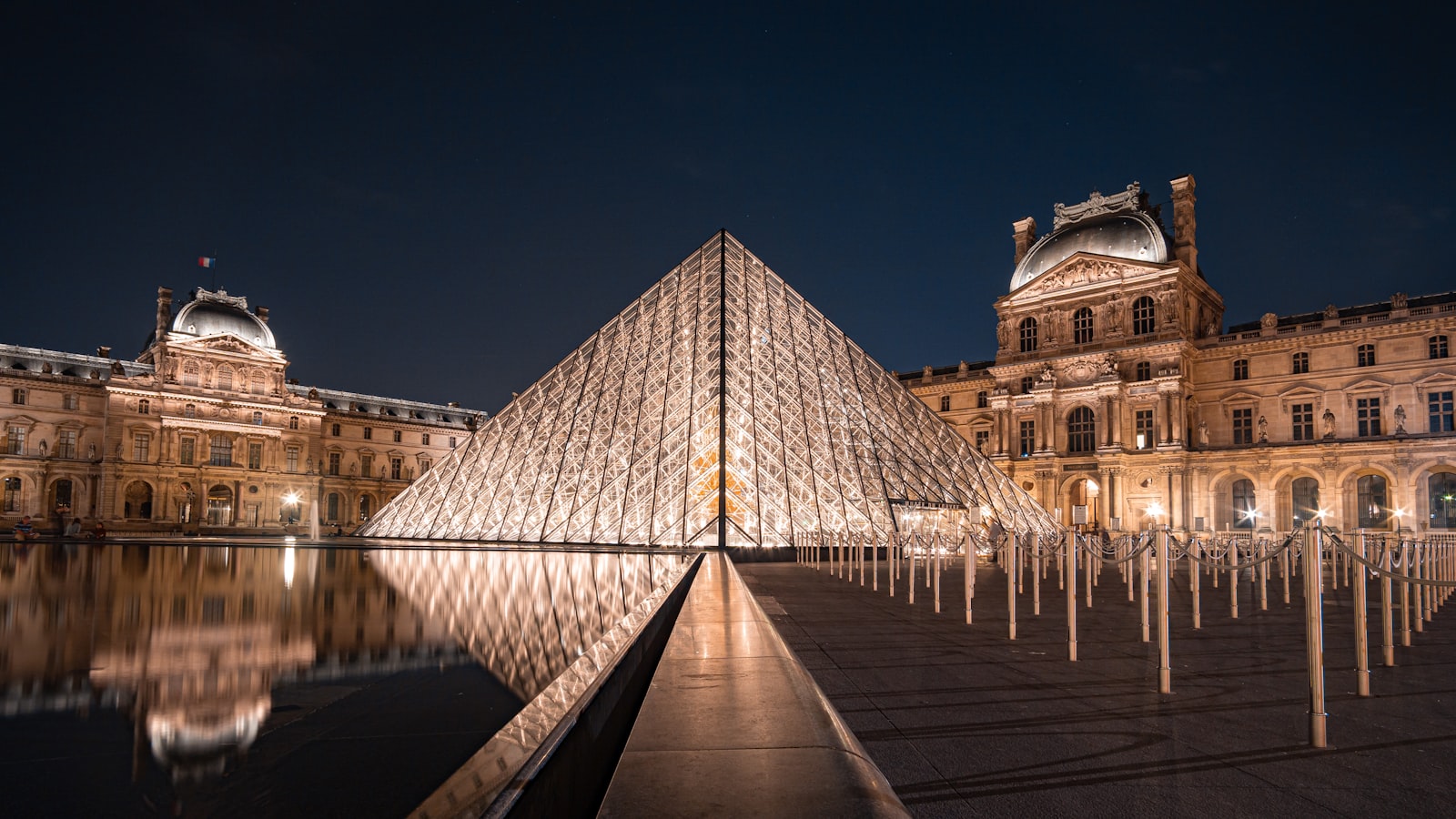
The Louvre alone could absorb a full day, so decide in advance what you actually want to see — the Denon wing (Mona Lisa, Winged Victory, Italian painting) covers most first-timers’ priorities in about 3 hours. Entry is timed-ticket only, so book a slot before you go rather than queuing at the pyramid.
- Enter through the Carrousel du Louvre underground mall instead of the main pyramid entrance — the line is almost always shorter.
- Walk to Île de la Cité (about 15–20 minutes along the river) for Notre-Dame’s exterior and Sainte-Chapelle, whose stained-glass interior is one of the most striking small sights in the city — buy Sainte-Chapelle tickets online to skip the security-line wait.
- Finish in the Latin Quarter, a short walk across the river, for dinner among the narrow streets around Rue Mouffetard or the Panthéon.
Day 3: Montmartre & Musée d’Orsay
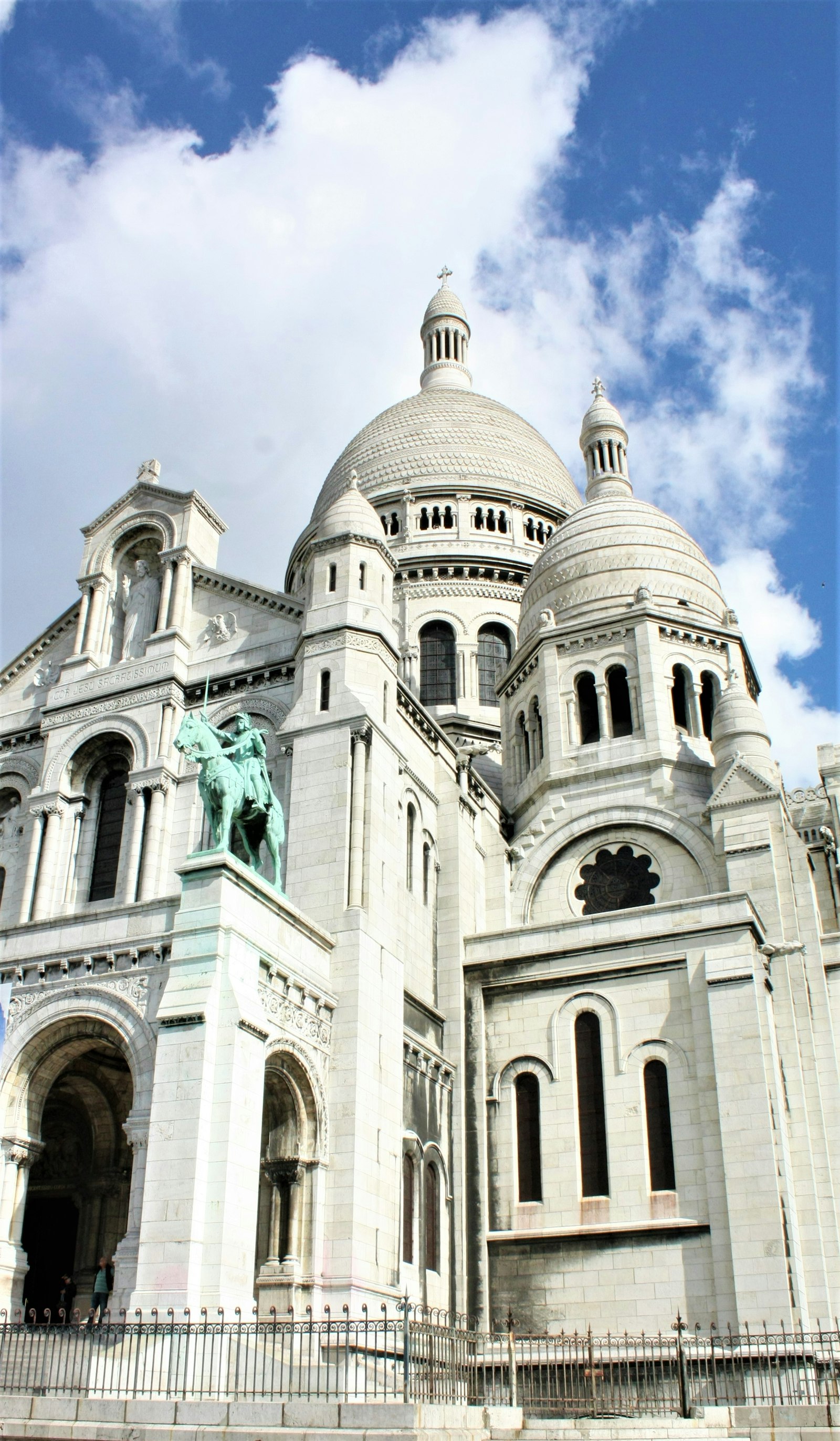
Save the hillier, slower-paced day for last. Montmartre’s steep streets and the Sacré-Cœur basilica are best tackled in the morning before the crowds around Place du Tertre build up.
- Take the funicular up to Sacré-Cœur (covered by a standard metro ticket) rather than climbing the steps with a bag on your shoulder.
- Wander the back streets north of the basilica — Rue de l’Abreuvoir and Rue Saint-Rustique — before the main square fills up with tourist-portrait artists.
- Musée d’Orsay in the afternoon is a manageable 2–3 hour visit and a good contrast to the Louvre’s scale — the Impressionist collection on the top floor, lit through the old station’s glass clock, is the highlight.
Transfer Times Between Areas
Central Paris is compact enough that almost everything below is a metro ride of 20 minutes or less, and several of these are just as fast on foot if the weather cooperates.
| From → To | Distance | Approx. time |
|---|---|---|
| CDG Airport → Central Paris (RER B) | ~25 km | ~35–50 min |
| Eiffel Tower → Trocadéro | ~1 km | ~15 min walk |
| Eiffel Tower → Louvre | ~4 km | ~20 min metro / ~50 min walk |
| Louvre → Île de la Cité (Notre-Dame) | ~1.2 km | ~15–20 min walk |
| Louvre → Montmartre | ~4.5 km | ~20 min metro |
| Montmartre → Musée d’Orsay | ~5 km | ~25 min metro |
Practical Notes for Solo Travelers
- Buy a carnet of metro tickets or use a Navigo Easy card loaded with multiple rides — cheaper per ride than single paper tickets, and a single ticket now costs around €2.15.
- Book the Louvre, Eiffel Tower, and Sainte-Chapelle in advance — all three are timed-entry, and walk-up availability is unreliable at peak times.
- Solo dinners are easy at counter-seating bistros — look for places with bar seating facing the kitchen rather than table-only rooms, common around the Latin Quarter and Montmartre.
- Keep bags zipped and in front of you on the metro, especially on Line 1 and around major tourist stops — pickpocketing is the main practical risk in Paris, not violent crime.
- Read up on the Louvre before you go — the world’s most-visited museum is easier to navigate once you know its layout and history.
Recommended Travel Insurance
Before you go, it’s worth having travel insurance built for slow travel and remote work rather than a standard two-week vacation policy. We use and recommend SafetyWing’s Nomad Insurance — it covers 180+ countries, can be purchased even after you’ve already left home, and is billed monthly instead of requiring a big upfront payment.
Disclosure: this post contains an affiliate link. If you sign up through it, we may earn a small commission at no extra cost to you.
Recommended Tours & Activities
Skip the queue anxiety on the Louvre, the Eiffel Tower, and Sainte-Chapelle — we use GetYourGuide to book skip-the-line tickets and tours in advance, with free cancellation on most listings.
Disclosure: this post contains an affiliate link. If you book through it, we may earn a small commission at no extra cost to you.
Planning more trips like this? See our full Solo Travel Itineraries Guide for more destinations.

About the Author
Mina Park
Mina Park is the route planner behind RouteDays. Over the past several years she has put together more than 60 day-by-day itineraries covering Asia, Europe, and North America, tracking real transit times, entrance fees, and nightly accommodation costs on each trip so every guide reflects an actual route rather than a generic city guide. She specializes in budget-first planning: every itinerary lists the cheapest reliable option first, whether that's an overnight bus instead of a domestic flight or a guesthouse instead of a hotel chain. Before starting RouteDays she spent three years working in travel logistics, coordinating multi-city tour schedules for small group trips across Southeast Asia.
🎒 Travel Gear We Recommend
Tried-and-tested essentials that make trips like this one smoother.
As an Amazon Associate we earn from qualifying purchases, at no extra cost to you.