- Quick Answer by Trip Length
- Why Two to Three Days Works Best
- Sample 3-Day Osaka Itinerary
- Best Day Trips From Osaka
- Where to Stay in Osaka
- Getting Around Osaka
- What to Eat in Osaka
- Osaka With Kids or as a Solo Traveler
- Best Time to Visit Osaka
- Budget Tips for Osaka
- Recommended Travel Insurance
- Recommended Tours & Activities
- A Practical Scenario: First Trip to Kansai
- Frequently Asked Questions
- Final Thoughts: How Many Days Do You Need in Osaka?
As an Amazon Associate, we earn from qualifying purchases linked in this post.
How many days do you need in Osaka? For most first-time visitors, two to three days is the sweet spot. Two days covers Osaka Castle, Dotonbori, Shinsekai, and a food-focused evening crawl. Three days adds Universal Studios Japan or a relaxed day exploring Umeda, Kuromon Market, and quieter neighborhoods. Four days or more lets you use Osaka as a base for easy day trips to Kyoto, Nara, Kobe, or Himeji.
Osaka is Japan’s kitchen: a lively, friendly city built around street food, neon-lit canals, and great-value hotels. It is also perfectly placed for day trips, which is why many travelers stay longer than they planned. Below we break down what each trip length looks like, share a sample itinerary, list the best day trips, and offer practical tips for transport, food, and saving money.
Quick Answer by Trip Length
This table gives a quick answer to how many days do you need in Osaka for different travel styles.
| Trip Length | Best For | What You Can Cover |
|---|---|---|
| 1 day | Stopovers and food lovers | Dotonbori, Kuromon Market, Osaka Castle grounds |
| 2 days | Short city breaks | Add Shinsekai, Umeda Sky Building, Shinsaibashi shopping |
| 3 days | Most first-time visitors | Add Universal Studios Japan or a slower food day |
| 4–5 days | Using Osaka as a base | Day trips to Kyoto, Nara, Kobe, Himeji |
Why Two to Three Days Works Best
Osaka’s main sights are concentrated in two hubs: Kita (around Umeda) in the north and Minami (around Namba and Dotonbori) in the south. The subway links them in about 15 minutes, so you can see a lot each day without long transfers. Unlike Tokyo or Kyoto, Osaka is less about temples and more about food, nightlife, and atmosphere, so two or three days usually feels complete.
The official guide, OSAKA-INFO, lists attractions, passes, and seasonal events. For most travelers, the answer to how many days do you need in Osaka depends on whether they add Universal Studios or day trips.
Sample 3-Day Osaka Itinerary
Day 1: Castle, Markets, and Dotonbori
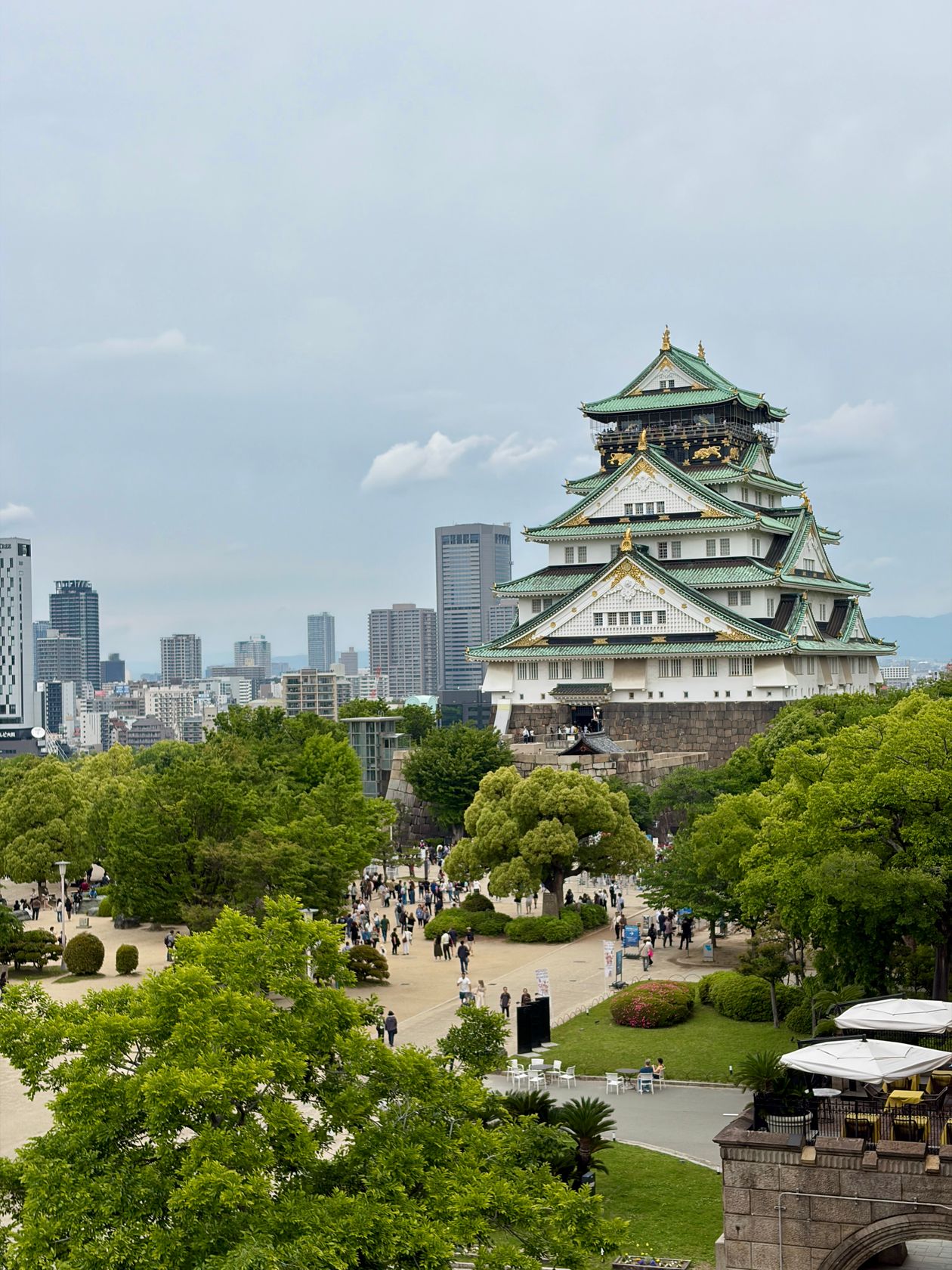
Start early at Osaka Castle and its park, then head to Kuromon Market for fresh seafood and street snacks. Spend the afternoon shopping along Shinsaibashi-suji, then finish in Dotonbori for neon lights, takoyaki, okonomiyaki, and a canal cruise.
Day 2: Retro Osaka and City Views
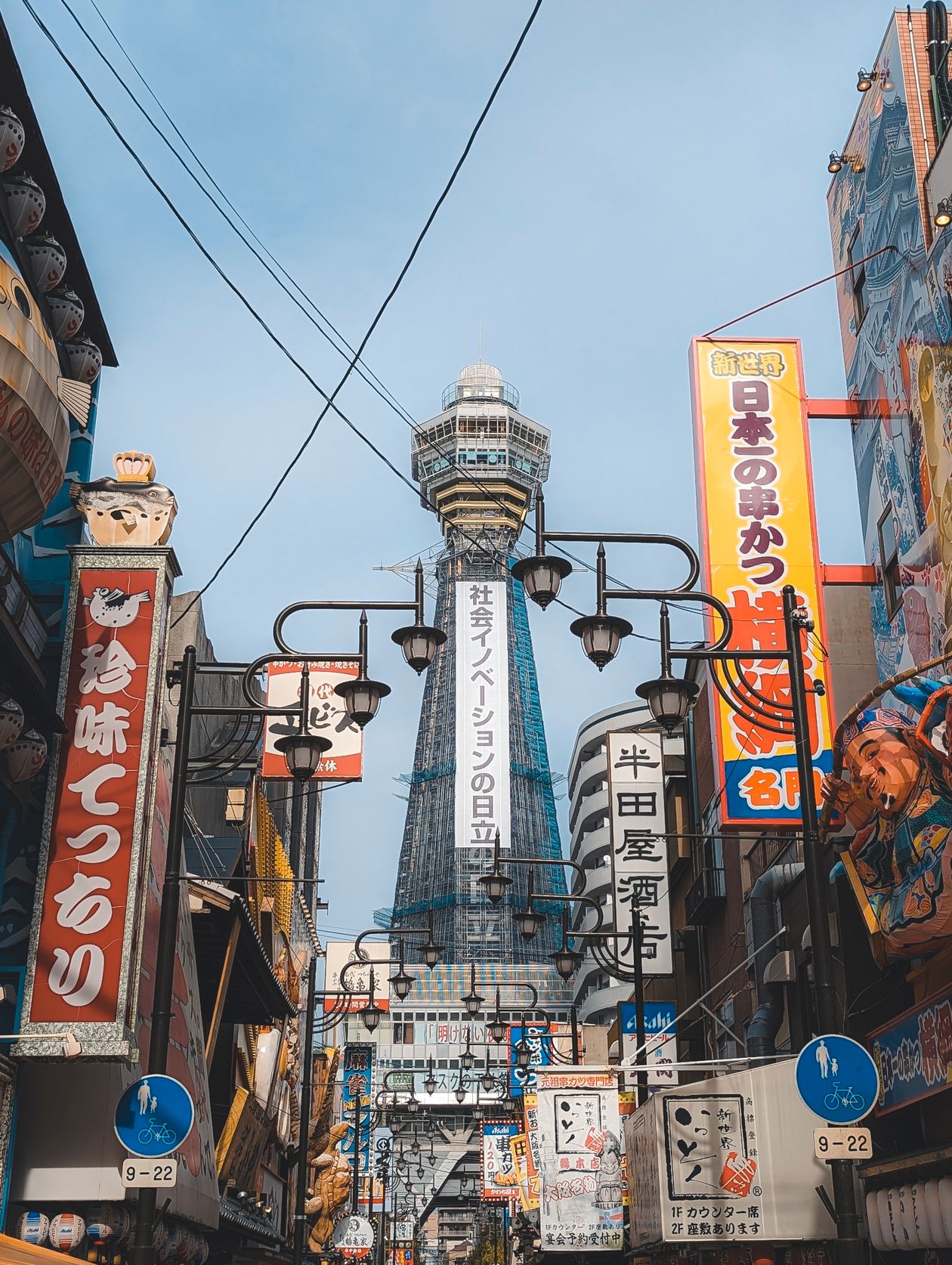
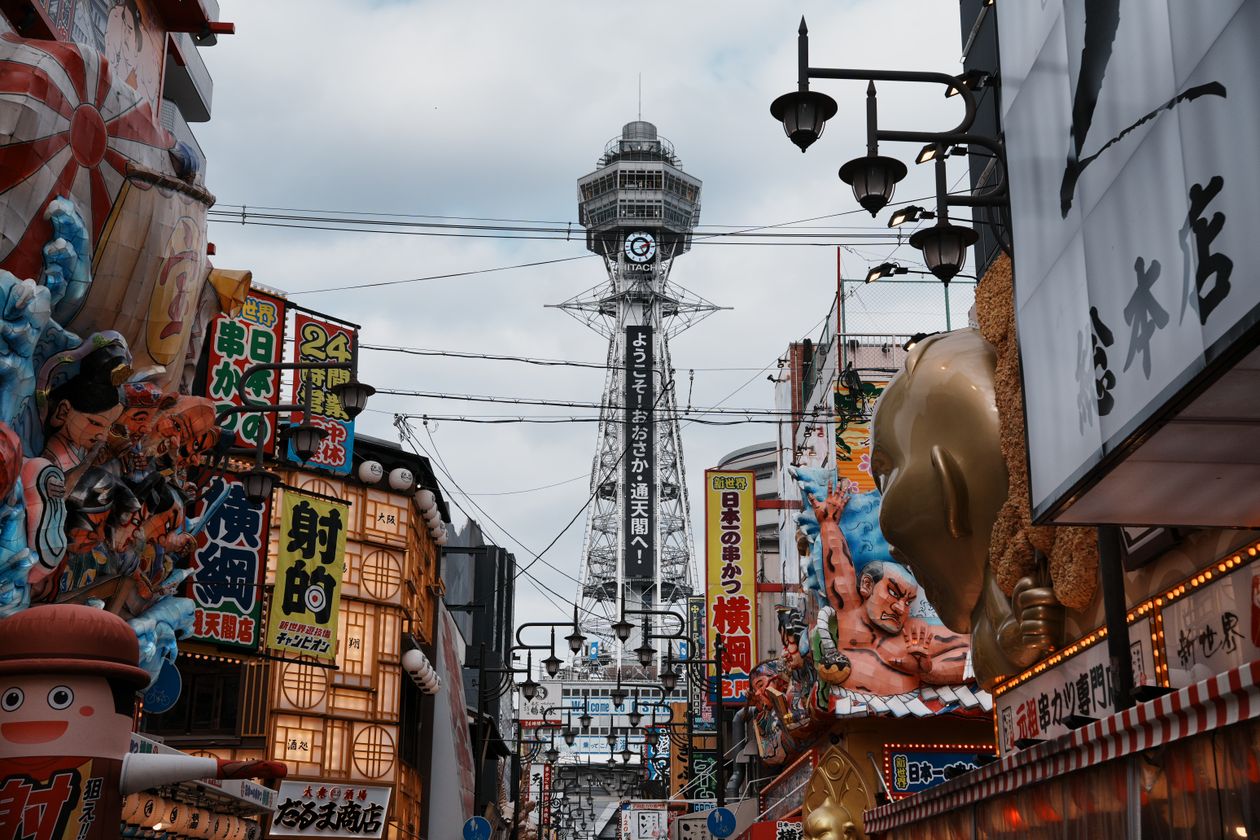
Explore Shinsekai and Tsutenkaku Tower for a nostalgic, old-Osaka feel and kushikatsu skewers. Visit Shitennoji, one of Japan’s oldest temples, then ride up the Umeda Sky Building at sunset for panoramic views.
Day 3: Universal Studios or a Slow Food Day
Theme park fans can spend the full day at Universal Studios Japan, booking Express Passes in advance. Others can explore Nakazakicho’s cafes, the Osaka Museum of History, or the aquarium in the bay area, followed by an izakaya dinner.
Best Day Trips From Osaka
- Kyoto: temples, shrines, and geisha districts, about 15–30 minutes by train.
- Nara: friendly deer and giant Buddha at Todaiji, under an hour away.
- Kobe: harbor views, Kitano district, and famous Kobe beef.
- Himeji: Japan’s most beautiful original castle, about an hour by shinkansen.
- Koyasan: a sacred mountain with temple stays, best as an overnight trip.
Adding day trips is the most common reason how many days do you need in Osaka grows to four or five. For Kyoto planning, see our guide on how many days you need in Kyoto.
Where to Stay in Osaka
Where you stay shapes how many days do you need in Osaka, because a good base saves time every day. Namba and Shinsaibashi are best for food and nightlife, with walkable access to Dotonbori. Umeda suits travelers who plan many day trips, thanks to its huge rail hub. Shin-Osaka is convenient if you arrive or leave by shinkansen, though it has less atmosphere. Tennoji offers good-value hotels near Shinsekai and direct airport trains.
Getting Around Osaka
The Osaka Metro covers most sights, and an IC card such as ICOCA works on subways, trains, buses, and in convenience stores. The Osaka Amazing Pass can save money if you plan many paid attractions in a single day. If you are traveling around Japan, compare costs carefully before buying a rail pass; our guide on whether the JR Pass is worth it explains when it pays off.
What to Eat in Osaka
Osaka’s motto is kuidaore, roughly “eat until you drop.” Try takoyaki (octopus balls), okonomiyaki (savory pancakes), kushikatsu (fried skewers), and fresh sushi at Kuromon Market. Department store food halls in Umeda and Namba are great for affordable, high-quality meals, and standing bars and izakaya offer a fun local night out.
Osaka With Kids or as a Solo Traveler
Families often find that how many days do you need in Osaka is three or four, because children love Universal Studios Japan, the Kaiyukan Aquarium, and the hands-on exhibits at the science museum, and benefit from slower days. Solo travelers can see a lot in two packed days, joining food tours in Dotonbori and Shinsekai to meet people. Osaka’s safety and friendly locals make it an easy city for first-time solo trips to Japan, and how many days do you need in Osaka for a solo food-focused visit is often just two.
Best Time to Visit Osaka
Spring (late March to early April) brings cherry blossoms at Osaka Castle, while autumn (October to November) offers comfortable weather and colorful leaves. Summer is hot and humid but lively with festivals such as Tenjin Matsuri in July. Winter is mild and quieter, with illuminations around the city.
Budget Tips for Osaka
- Eat street food and department store bentos for great-value meals.
- Use an IC card instead of buying single tickets.
- Stay in Namba or Tennoji for good-value hotels close to the action.
- Book Universal Studios tickets early, especially on weekends and holidays.
- Visit free sights such as Dotonbori, Osaka Castle Park, and shopping arcades.
Recommended Travel Insurance
Before you go, it’s worth having travel insurance that covers medical emergencies, trip interruption, and lost luggage on your Osaka trip. We use and recommend SafetyWing’s Nomad Insurance — it covers 180+ countries, can be bought even after you’ve left home, and is billed monthly instead of one big upfront payment.
Recommended Tours & Activities
Want to lock in the best experiences in Osaka before you arrive? We use GetYourGuide to compare and book tours, skip-the-line tickets, and day trips in advance, with free cancellation on most listings.
Disclosure: this post contains affiliate links. If you book or sign up through them, we may earn a small commission at no extra cost to you.
A Practical Scenario: First Trip to Kansai
Imagine a couple with five days in the Kansai region. They stay in Namba for three nights, spending two days exploring Osaka’s food and neighborhoods, one day in Nara, and one day in Kyoto, then finish with a relaxed final morning at Kuromon Market. For them, the honest answer to how many days do you need in Osaka was two full days in the city plus Osaka as a base for day trips.
Frequently Asked Questions
How many days do you need in Osaka for a first visit?
Two to three days covers the highlights for most first-time visitors.
Is one day in Osaka enough?
One day is enough for Dotonbori, a market, and the castle, but you will miss neighborhoods and day trips.
Is Osaka or Kyoto better as a base?
Osaka is usually cheaper and has better nightlife and food; Kyoto suits travelers focused on temples.
Do I need a full day for Universal Studios Japan?
Yes, most visitors spend a full day there, especially to see Super Nintendo World.
Final Thoughts: How Many Days Do You Need in Osaka?
How many days do you need in Osaka? Two to three days suits most first-time visitors, one day works for a quick food-focused stop, and four or five days lets you use Osaka as a base for Kyoto, Nara, Kobe, and Himeji. Stay in Namba or Umeda, use an IC card, eat your way through the markets, and leave room for at least one day trip.

About the Author
RouteDays Team
RouteDays is an independent travel-planning site. We build day-by-day routes from official transit timetables, attraction websites and current price listings, use AI writing tools to help draft each guide, and review every guide before it goes live. We have not personally visited every city we cover, so travel times and prices are estimates: please confirm them with the official sources linked in each guide before you book. Spotted something out of date? Tell us through the Contact page.
🎒 Travel Gear We Recommend
Tried-and-tested essentials that make trips like this one smoother.
As an Amazon Associate we earn from qualifying purchases, at no extra cost to you.