- The 3-Day Route at a Glance
- Before You Go: Where to Stay and How to Arrive
- Day 1: The Ancient Town Early and After Dark
- Day 2: Rice Fields, Basket Boats, and An Bang Beach
- Day 3: My Son Sanctuary at Sunrise
- Hoi An 3-Day Itinerary Costs by Travel Style
- Adjusting the Route for Families, Couples, and Solo Travelers
- Practical Tips
- Recommended Travel Insurance
- Recommended Tours & Activities
- A Practical Scenario: Fitting Hoi An Into Ten Days in Vietnam
- Frequently Asked Questions
- Final Thoughts on This Hoi An 3-Day Itinerary
As an Amazon Associate, we earn from qualifying purchases linked in this post.
A Hoi An 3-day itinerary works best when you split each day around the heat and the crowds: the Ancient Town early in the morning and again after dark, the beach or the countryside in between, and one early start for the My Son temple ruins. Three days is enough to see the lanterns, eat your way through the old streets, ride a bicycle through rice fields, and swim at An Bang without rushing.
Below is a day-by-day route with travel times between each stop, a daily spending estimate, and the small timing details that make Hoi An far more pleasant than a single packed day trip from Da Nang.
The 3-Day Route at a Glance
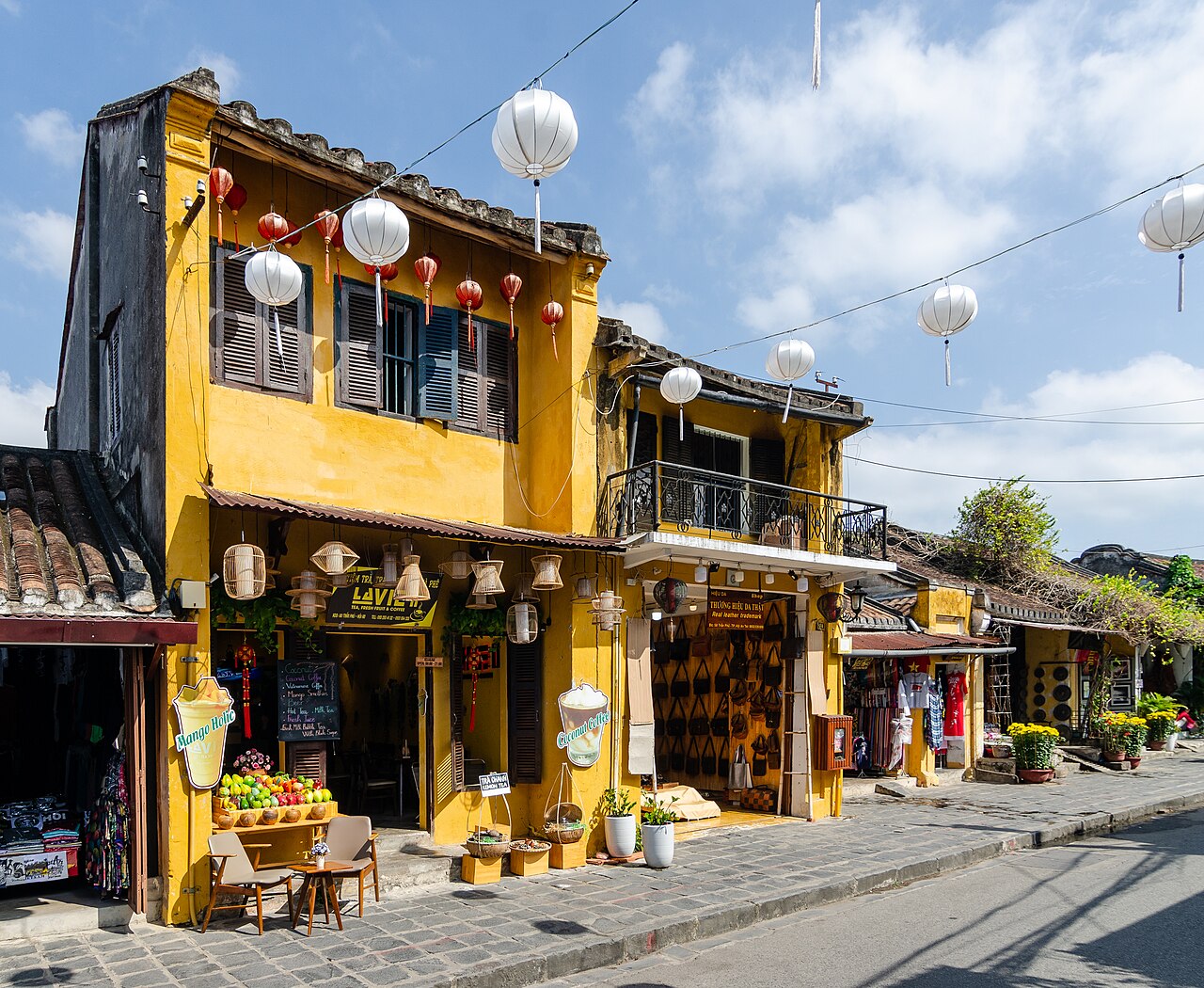
Hoi An is compact. The Ancient Town is walkable from end to end in about 15 minutes, An Bang Beach is roughly 5 km away, and My Son is about 40 km inland. This table shows how the Hoi An 3-day itinerary fits together, with realistic travel times and an approximate daily spend per person for a mid-range traveler (excluding the hotel).
| Day | Route | Getting Around | Travel Time | Daily Spend (approx.) |
|---|---|---|---|---|
| Day 1 | Ancient Town morning walk → Japanese Covered Bridge → assembly halls → tailor fitting → river lanterns at night | Walking | Under 15 min between stops | US$30–45 (ticket, food, lantern boat) |
| Day 2 | Bicycle to Tra Que vegetable village → Cam Thanh coconut forest basket boats → An Bang Beach afternoon | Bicycle or Grab | Town → Tra Que 10–15 min, Tra Que → Cam Thanh 15–20 min, Cam Thanh → An Bang 15–20 min | US$25–40 (bike rental, boat, beach lunch) |
| Day 3 | Sunrise trip to My Son Sanctuary → back for lunch → An Hoi night market and final evening in town | Tour bus or private car | Hoi An → My Son about 1 hour each way | US$30–60 (tour or car, entry, dinner) |
Prices change with the exchange rate (roughly 25,000–26,000 Vietnamese dong to one US dollar in 2026), so treat the totals as a planning range rather than a quote.
Before You Go: Where to Stay and How to Arrive
Most visitors fly into Da Nang International Airport. The drive to Hoi An takes about 45–50 minutes by Grab or pre-booked car, and it is the easiest option if you land late. Buses exist, but with luggage the car is usually worth the small extra cost.
For this Hoi An 3-day itinerary, stay either at the edge of the Ancient Town or between town and An Bang Beach. The edge of town lets you walk to the lanterns at night without fighting the evening traffic; the beach side gives you quieter mornings and a pool, with a 15-minute ride into town. Avoid hotels deep in the outer suburbs unless they offer a free shuttle.
If Hoi An is part of a longer Vietnam trip, check the entry rules first in our guide to Vietnam visa requirements, and look at the best time to visit Vietnam, because central Vietnam has a very different rainy season from Hanoi or Ho Chi Minh City.
Day 1: The Ancient Town Early and After Dark
Morning (7:00–10:30)
Start before the tour groups arrive from Da Nang, usually around 9:00. The streets of the Ancient Town, a UNESCO World Heritage Site described on the UNESCO World Heritage listing for Hoi An Ancient Town, are quiet, the light is soft, and the shopkeepers are only just opening their wooden shutters.
Buy the Ancient Town ticket at one of the booths on the edge of the old quarter. It covers entry to a set number of heritage buildings (historic houses, assembly halls, and small museums) and the price for foreign visitors has been around 120,000 dong; check the current rate at the booth. Walk to the Japanese Covered Bridge first, then pick two assembly halls, such as the Fujian Assembly Hall, and one old merchant house.
Midday (10:30–15:00)
By late morning the heat builds. This is the time for a long lunch and a rest. Try cao lau, the local noodle dish with thick noodles, pork, and herbs, and a banh mi from one of the well-known stalls. If you plan to have clothes made, go to a tailor now: most need at least one fitting and 24–48 hours, so a Day 1 order leaves time for adjustments before you leave.
Evening (17:30–21:30)
Come back as the lanterns switch on. Walk the riverside, cross to the An Hoi side for the view back toward the old town, and take a short sampan ride on the Thu Bon River if you want to float a paper lantern. Boat rides are usually priced per boat, so agree on the price and the length of the trip before you step in.
Day 2: Rice Fields, Basket Boats, and An Bang Beach
Morning: Tra Que Vegetable Village
Rent a bicycle from your hotel (many lend them free or for a few dollars) and ride about 10–15 minutes north to Tra Que, a farming village known for its fragrant herbs. The paths between the vegetable beds are flat and easy, and early morning is when farmers are watering by hand.
Late Morning: Cam Thanh Coconut Forest
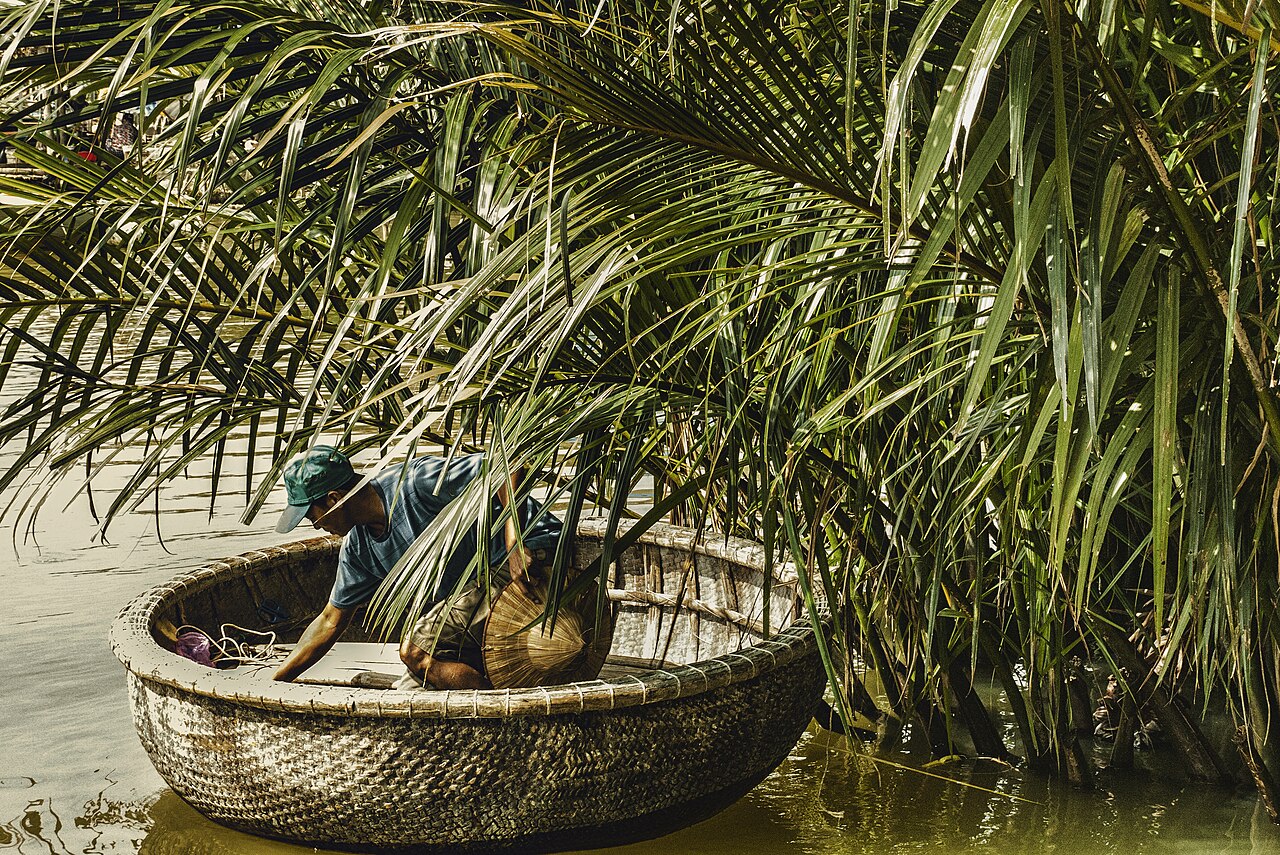
Ride or take a Grab 15–20 minutes east to the Cam Thanh water coconut forest, where round bamboo basket boats paddle through narrow channels. It is touristy and often loud with music, so choose a calmer operator if you can, and confirm what is included (life jacket, crab-fishing stop, and the length of the ride) before paying.
Afternoon: An Bang Beach
From Cam Thanh it is another 15–20 minutes to An Bang Beach. Have lunch at one of the beachfront restaurants, which often let you use a sun lounger if you order food and drinks. Swim only in the areas where lifeguards are present; from roughly October to December the sea in central Vietnam can be rough.
If you still have energy, ride back to town in the early evening for dinner. If not, Grab cars wait near the beach and the trip back takes about 15 minutes.
Day 3: My Son Sanctuary at Sunrise
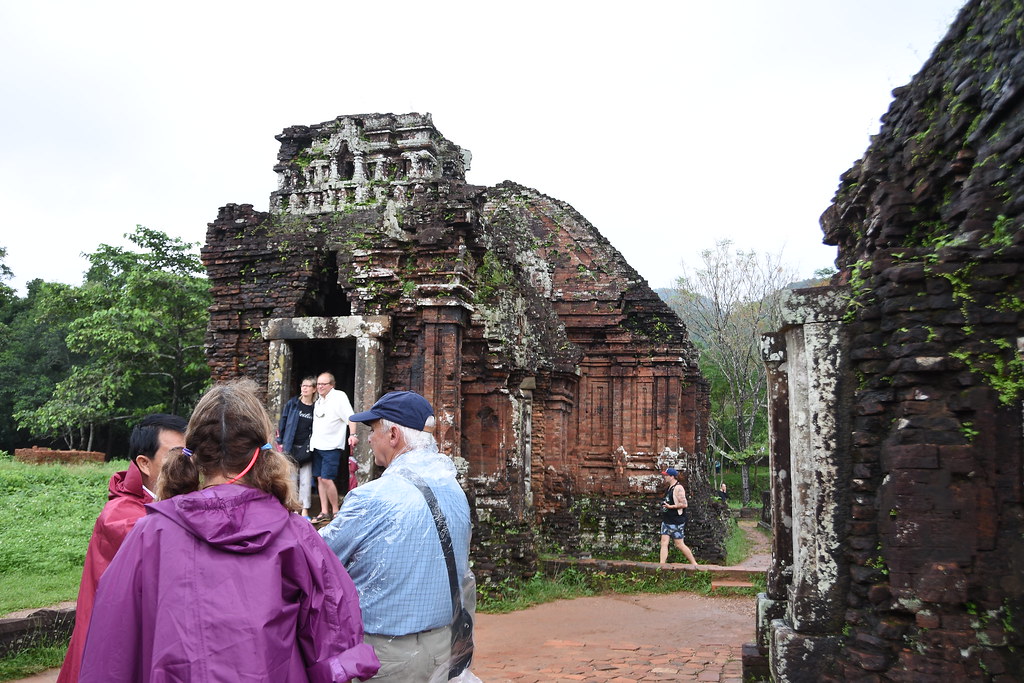
My Son is a valley of brick temple ruins built by the Champa kingdom between the 4th and 13th centuries, listed separately by UNESCO. It is about one hour by road from Hoi An, and it gets hot and crowded by mid-morning, so book a sunrise or early tour that leaves around 5:00 and returns before lunch.
A shared tour bus is the cheapest option and usually includes a guide. A private car costs more but lets you leave earlier and stay longer. Entry is paid separately at the site if it is not included in your tour, so check before you book. You can compare small-group and private My Son options on GetYourGuide; see the tour section below.
After lunch, rest through the hottest hours, collect any tailoring, and spend your final evening at the An Hoi night market across the river. It is a good last chance to try white rose dumplings and grilled skewers.
Hoi An 3-Day Itinerary Costs by Travel Style
| Travel Style | Room per Night | Food per Day | Activities (3 Days) | 3-Day Total per Person |
|---|---|---|---|---|
| Budget | US$12–25 (guesthouse) | US$10–15 | US$20–30 | About US$80–140 |
| Mid-range | US$35–70 (boutique hotel with pool) | US$20–30 | US$50–80 | About US$190–330 |
| Comfort | US$100+ (beach resort) | US$40+ | US$100+ | US$500+ |
Room prices assume two people sharing and are divided per person. For a wider Vietnam budget, see how much a week in Vietnam costs.
Adjusting the Route for Families, Couples, and Solo Travelers
- Families: Swap the bicycle ride for a Grab to Tra Que and keep the basket boat trip short. Plan the beach for the morning and stay in a hotel with a pool for the afternoon heat. My Son is fine for older children but long for toddlers.
- Couples: Add a cooking class with a market visit on Day 2 morning, and book a riverside dinner for the final evening.
- Solo travelers: Join a group My Son tour to meet other travelers, and use the free bicycles that many guesthouses offer.
Practical Tips
- Timing: The Ancient Town is at its best before 9:00 and after 17:30.
- Weather: February to April is pleasant; June to August is very hot; October to December brings heavy rain and occasional flooding of the riverside streets.
- Money: Carry small notes for street food and boat rides. Cards are accepted at most hotels and larger restaurants.
- Getting around: Grab works well for cars and motorbike taxis; inside the Ancient Town, walk.
- Tailors: Ask to see fabric samples and confirm the number of fittings and the final price in writing.
Recommended Travel Insurance
Central Vietnam combines motorbike traffic, strong sea currents, and storm-season disruption, so it is sensible to have cover for medical care and trip interruption. SafetyWing’s Nomad Insurance is one option: it can be bought after you have left home and is billed in four-week periods. Read the policy wording for scooter riding and adventure activities before you buy.
Recommended Tours & Activities
Sunrise My Son tours, basket boat trips, and cooking classes can be compared and booked in advance on GetYourGuide, with free cancellation on many listings.
See Hoi An tours and day trips →
Disclosure: this post contains affiliate links. If you book or sign up through them, we may earn a small commission at no extra cost to you.
A Practical Scenario: Fitting Hoi An Into Ten Days in Vietnam
Imagine a ten-day trip that starts in Hanoi and ends in Ho Chi Minh City. A traveler flies from Hanoi to Da Nang on day four, takes a car straight to Hoi An, and follows this route for three nights before flying south from Da Nang. Day 1 of the plan becomes the arrival afternoon and evening, the countryside and beach day stays the same, and the My Son sunrise trip fills the last morning before an afternoon flight. The trip loses nothing important, because the route already puts the long transfer days next to the airport.
Frequently Asked Questions
Is three days enough for Hoi An?
Yes. Three days covers the Ancient Town by day and night, the countryside and beach, and My Son. Add a fourth day for a cooking class or a day trip to Da Nang’s Marble Mountains.
Do I need a ticket to walk around Hoi An Ancient Town?
The ticket covers entry to selected heritage buildings and helps fund conservation. Buy it at the booths on the edge of the old quarter and keep it with you.
When is the Hoi An lantern festival?
The full-moon lantern evening is held once a month on the 14th day of the lunar calendar, when the riverside is especially atmospheric. Lanterns are lit every night regardless.
Is it better to stay in Hoi An or Da Nang?
Stay in Hoi An if the old town and countryside are your focus; it is far nicer in the evenings. Choose Da Nang for city beaches and easier airport access.
Final Thoughts on This Hoi An 3-Day Itinerary
A good Hoi An 3-day itinerary is really about timing: early mornings and evenings in the Ancient Town, the countryside and beach during the day, and one sunrise trip to My Son. Follow that rhythm, keep the transfers short, and leave room for a long lunch, and Hoi An feels relaxed rather than crowded.

About the Author
RouteDays Team
RouteDays is an independent travel-planning site. We build day-by-day routes from official transit timetables, attraction websites and current price listings, use AI writing tools to help draft each guide, and review every guide before it goes live. We have not personally visited every city we cover, so travel times and prices are estimates: please confirm them with the official sources linked in each guide before you book. Spotted something out of date? Tell us through the Contact page.
🎒 Travel Gear We Recommend
Tried-and-tested essentials that make trips like this one smoother.
As an Amazon Associate we earn from qualifying purchases, at no extra cost to you.