As an Amazon Associate, we earn from qualifying purchases linked in this post.
This Tokyo 5-Day Itinerary is built for families who want an efficient, low-stress route through the city’s five geographic pockets, including a dedicated Disney Resort day.
Tokyo sprawls, and the fastest way to exhaust a family of five-year-olds and grandparents alike is zig-zagging across the JR Yamanote loop chasing a “must-see” list. This itinerary instead clusters sights into five geographic pockets — old-town Asakusa/Ueno, waterfront Odaiba, the self-contained Disney Resort, the Shibuya-Harajuku-Shinjuku corridor, and leafy Kichijoji — so each day’s transit is a handful of short subway hops rather than hour-long crosstown treks. Days are paced for kids: one headline activity in the morning, a long lunch/rest window, and one or two lighter stops in the afternoon rather than a marathon checklist.
Tokyo 5-Day Itinerary at a Glance
This Tokyo 5-Day Itinerary works well as a standalone family trip, or paired with our Bangkok 4-Day Itinerary for Families if you’re combining both cities on one Asia trip.
| Day | Area | Highlights | Main transport |
|---|---|---|---|
| Day 1 | Asakusa & Ueno | Senso-ji, Nakamise Street, Ueno Zoo (pandas), Ameyoko market | Tokyo Metro Ginza Line (2 stops, ~5 min) |
| Day 2 | Odaiba (waterfront) | teamLab Planets, Unicorn Gundam statue, Legoland Discovery Center, Odaiba beach | Yurikamome automated line |
| Day 3 | Tokyo Disney Resort | Full day at Tokyo Disneyland or DisneySea | JR Keiyo Line to Maihama Station |
| Day 4 | Shibuya, Harajuku & Shinjuku | Meiji Shrine, Takeshita Street, Shibuya Sky, Shinjuku Gyoen | JR Yamanote Line + walking |
| Day 5 | Kichijoji & Mitaka | Ghibli Museum, Inokashira Park Zoo, swan boats | Keio Inokashira Line from Shibuya |
Day 1: Asakusa & Ueno
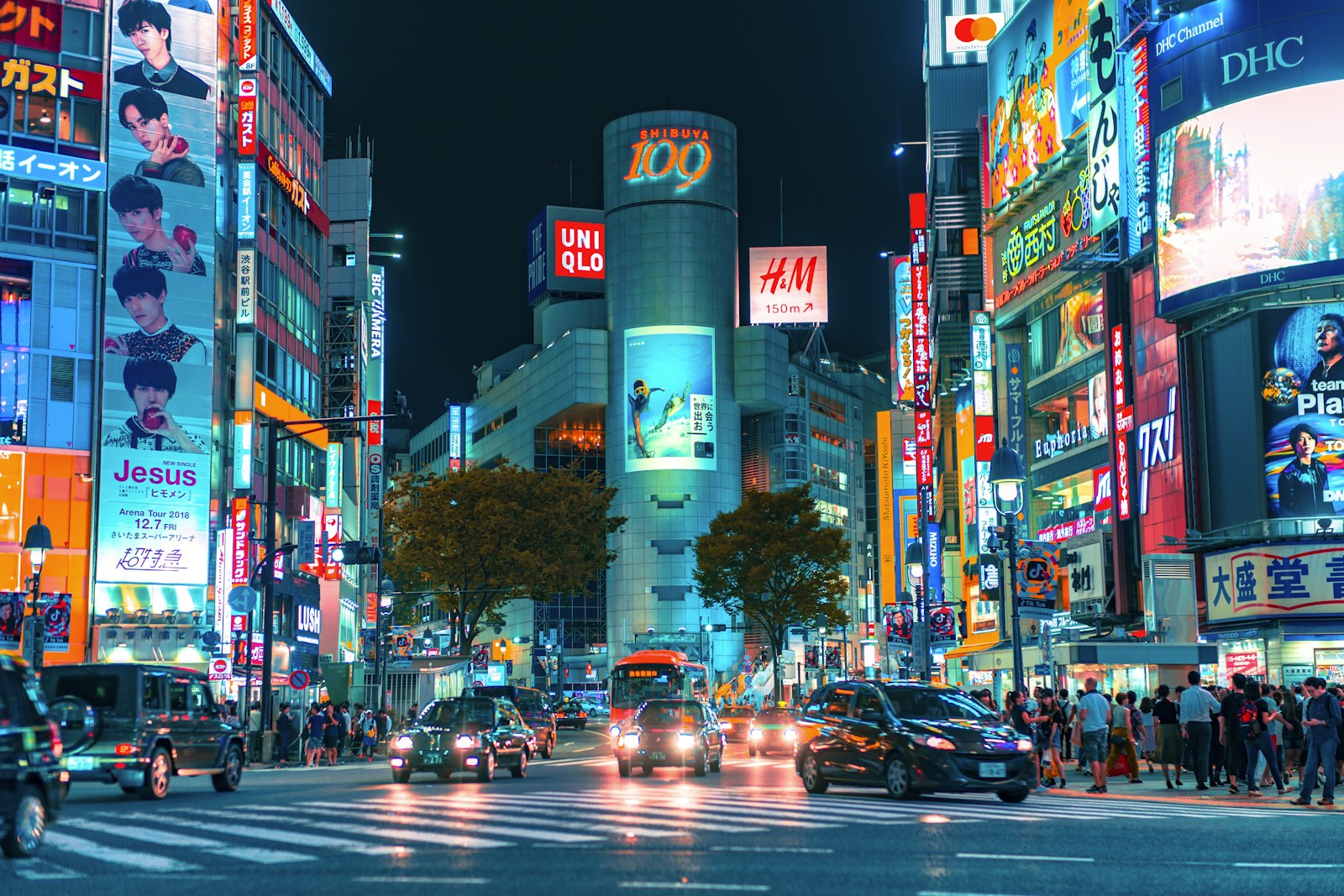
These two old-town neighborhoods sit two stops apart on the Ginza Line, so you can spend the whole day within a five-minute subway ride (or a flat 25-minute walk) of your starting point — no rush-hour transfers required.
- 9:00 AM — Senso-ji Temple & Nakamise-dori. Free entry, temple grounds open 24 hours (main hall doors open 6:00 AM). Arrive early to beat tour groups; Nakamise-dori’s souvenir and snack stalls open around 9:00-10:00 AM, so this timing lets kids browse ningyo-yaki (small filled cakes) stalls without crowds.
- 11:00 AM — Ginza Line to Ueno. Board at Asakusa Station, ride 2 stops to Ueno (~5 minutes, ¥180 IC fare). Trains run every 3-5 minutes so there’s no need to time this precisely.
- 11:30 AM — Lunch in Ameyoko Market. This covered market street under the elevated tracks between Ueno and Okachimachi has cheap street food (takoyaki, fresh fruit skewers, kid-friendly ramen counters) — budget ¥800-1,200 per person.
- 1:00 PM — Ueno Zoo. ¥600 adults, free for children through 6th grade, ¥200 junior-high students. Open 9:30 AM-5:00 PM (last entry 4:00 PM), closed Mondays. Head straight to the Panda House first — lines build after 2:00 PM — then let kids loose in the children’s zoo petting area near the west garden.
- 3:30 PM — Ueno Park wind-down. Free, open-air paths and a pond with paddle boats (¥700/30 min for a family boat) if energy allows; otherwise let the kids nap in the stroller while you browse the park’s free-to-enter shrine grounds.
Day 2: Odaiba
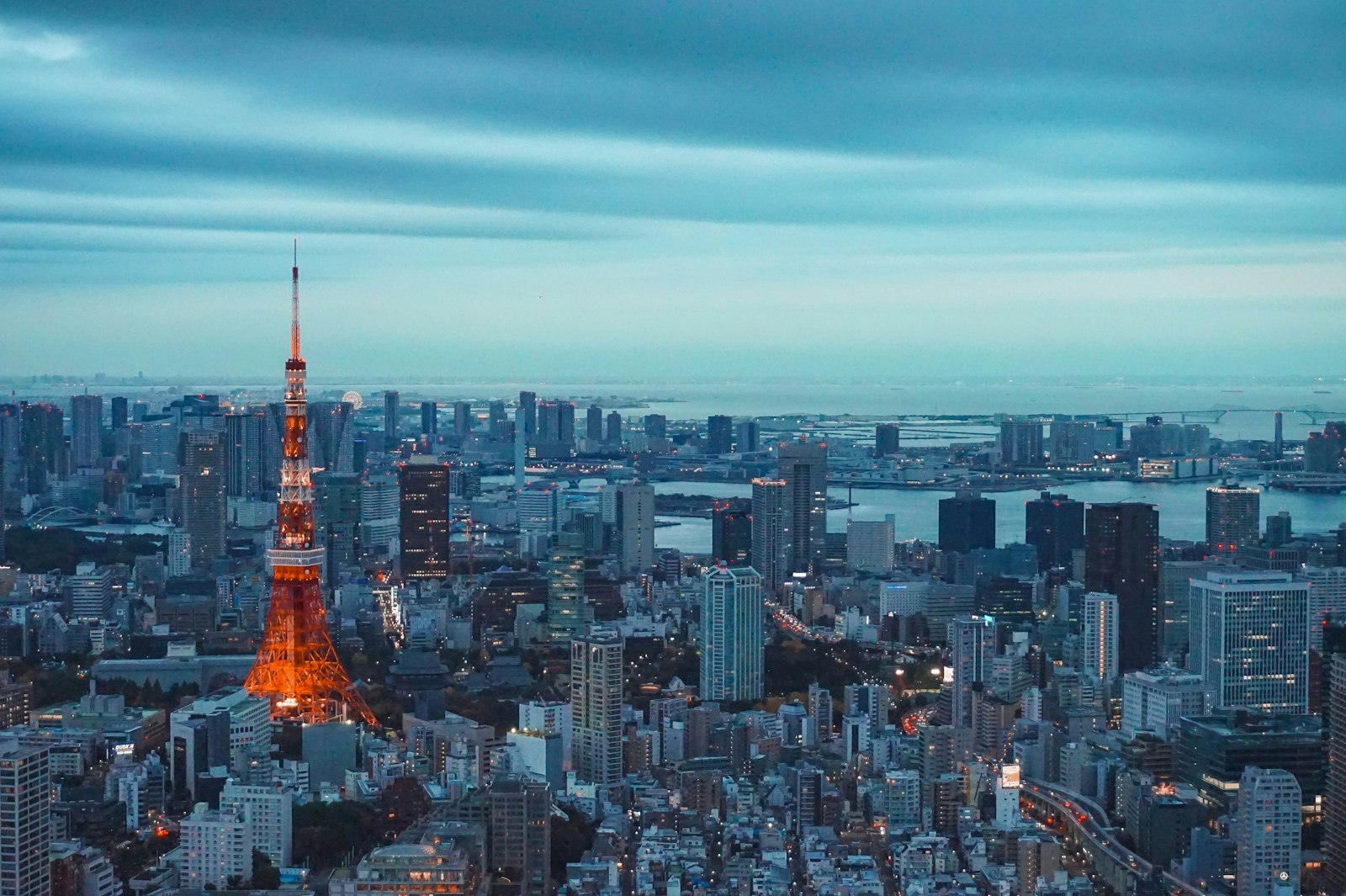
Odaiba is a reclaimed island connected to the mainland only by bridge and monorail, so once you’re there everything — the digital-art museum, the Gundam statue, the Lego center, and the beach — sits within a 10-15 minute walk, with zero backtracking to central Tokyo until you leave.
- 9:30 AM — Yurikamome Line from Shimbashi. This driverless elevated train glides over Rainbow Bridge — a highlight for kids in its own right — and costs ¥190-380 depending on distance (covered by IC card, not by the JR Pass).
- 10:00 AM — teamLab Planets Tokyo. Adults ¥3,600+, junior/high schoolers ¥2,800, children 4-12 ¥1,500, under 3 free. Open 8:00 AM-10:00 PM (last entry 9:00 PM); book a timed-entry slot online in advance, as it regularly sells out. Note: guests wade through water in several rooms, so pack a spare set of clothes and a small towel for kids.
- 1:00 PM — Lunch at DiverCity Tokyo Plaza. This mall’s food court has family-friendly chains (curry, ramen, okonomiyaki) from around ¥900/plate, and sits directly beneath the life-size Unicorn Gundam statue, which “transforms” with a light show several times daily.
- 2:30 PM — Legoland Discovery Center Tokyo. ¥2,250-¥2,800 per person (same price for adults and kids; under-3s free), located inside DECKS Tokyo Beach. Typical hours 10:00 AM-7:00 PM, last admission 1 hour before close — check the site’s daily calendar, as hours shift on weekends/holidays. Note: adults must be accompanied by a child to enter.
- 5:00 PM — Odaiba Marine Park beach. Free. A sandy strip facing the Rainbow Bridge and a small-scale Statue of Liberty replica — a relaxed, no-ticket way to end the day while the sun sets over the bay.
Day 3: Tokyo Disney Resort
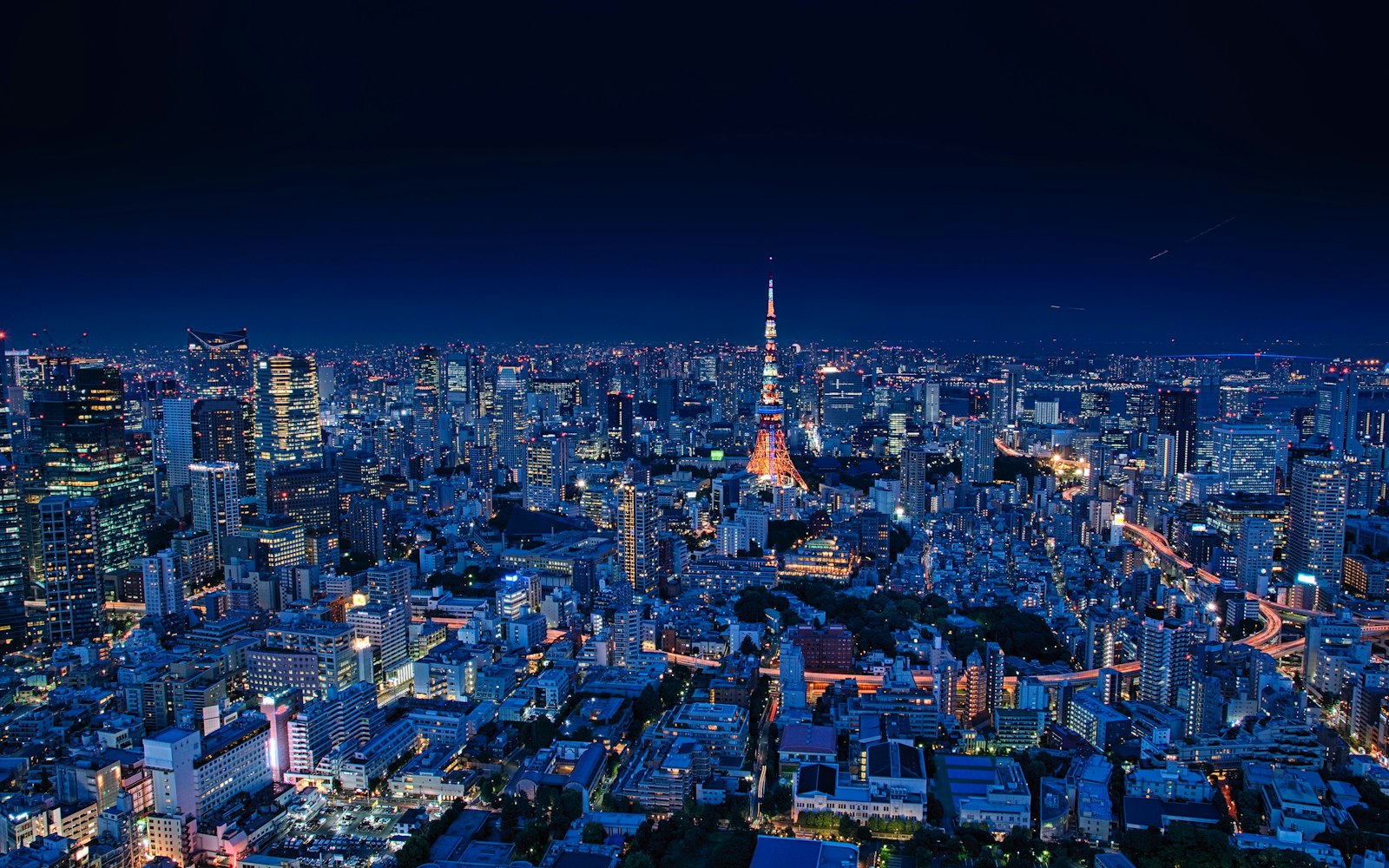
This is the one day that doesn’t fit the “cluster by area” logic — Maihama is a self-contained resort in neighboring Chiba, so the whole day happens inside the park gates and no intra-day transit planning is needed at all.
- Before you go — buy dated tickets online. 1-day tickets run roughly ¥7,900-¥10,900 for adults (18+), ¥6,600-¥9,000 for ages 12-17, and ¥4,700-¥5,600 for children 4-11, with prices varying by calendar date (weekends/holidays cost more). Tickets are sold up to two months ahead via the official app and do sell out on peak dates — buy as soon as your date opens.
- 8:15 AM — Arrive at the gates before opening. Parks typically open at 9:00 AM; arriving 30-45 minutes early gets you through security and turnstiles in time for rope-drop, when lines are shortest.
- Choose one park, not both. Disneyland (classic characters, Toontown, gentler rides) generally suits younger kids better than DisneySea (more thrill-oriented, larger walking distances) — don’t try to hop between them in one day.
- Rent a stroller on arrival. Available just inside the gates for about ¥1,000/day — worth it even for kids who normally walk, given the park’s size (Disneyland alone covers roughly 51 hectares).
- Midday — build in a 60-90 minute break. Head to a table-service restaurant inside the park (reservable via the app) for an air-conditioned sit-down meal around 12:30-1:30 PM, when the midday heat and crowds both peak.
Day 4: Shibuya, Harajuku & Shinjuku
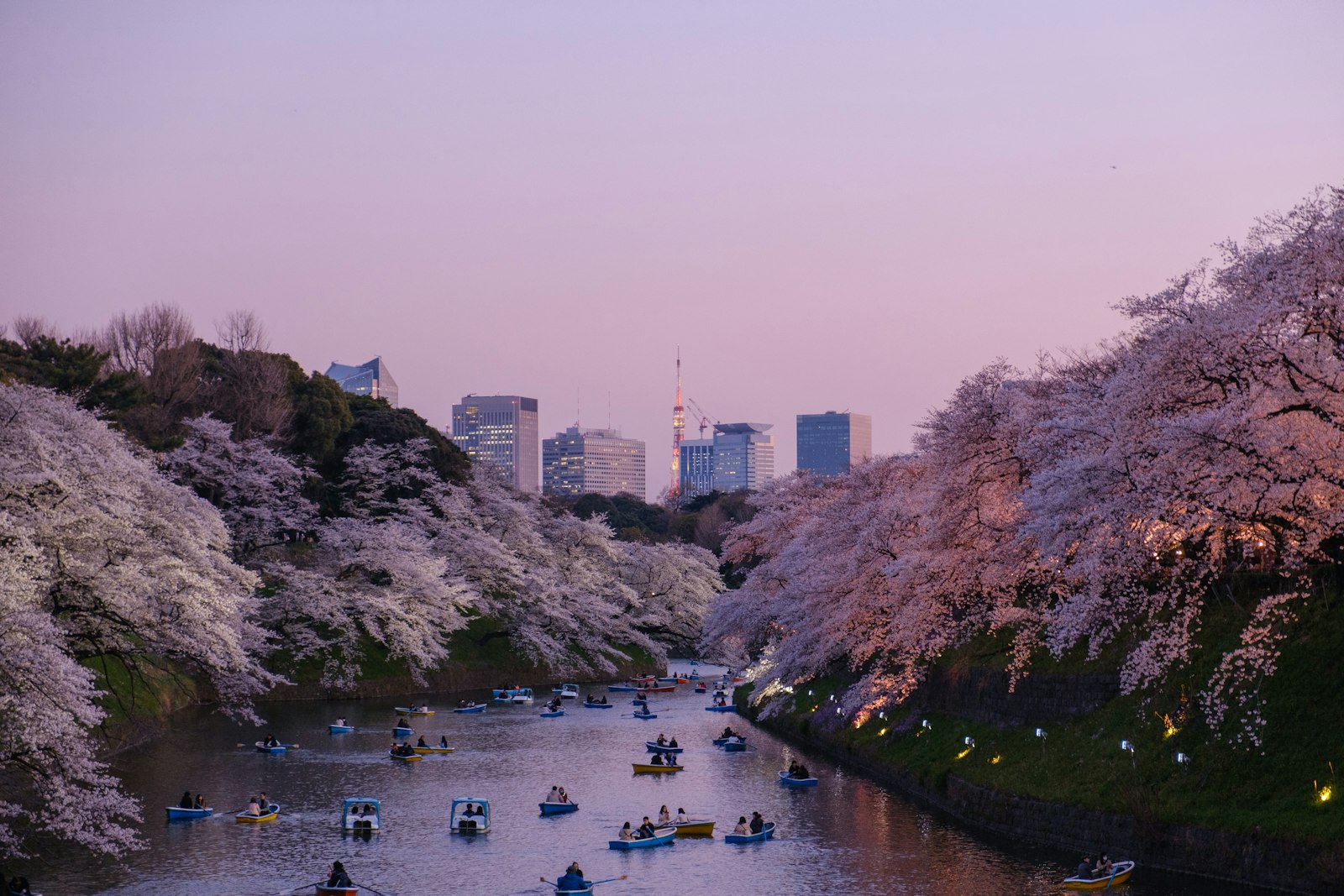
These three districts sit back-to-back along the JR Yamanote Line, each just one or two stops apart, letting you walk from shrine grounds to fashion street to skyscraper to garden without a single long transfer.
- 9:00 AM — Meiji Shrine. Free admission, gates open at dawn and close at dusk (roughly 5:00 AM-6:30 PM in summer, later opening/earlier close in winter — check the month before you go). The gravel forest path from Harajuku Station’s entrance is stroller-friendly and shaded, a good gentle start.
- 10:30 AM — Takeshita Street, Harajuku. Free to browse; budget ¥500-800/person for crepes at one of the street’s crepe stands — this pedestrian lane is the single most kid-delighted stretch of the day.
- 12:00 PM — Yoyogi Park lunch break. Grab bento or convenience-store food and let kids run on the open lawns — a necessary decompression stop between the crowded shrine path and the Shibuya crowds ahead.
- 2:00 PM — Shibuya Sky. ¥2,500 adults, ¥2,000 middle/high schoolers, ¥1,000 elementary schoolers, open roughly 10:00 AM-10:00 PM (last entry ~9:00 PM). Book a timed online slot in advance — walk-up tickets often sell out and cost more at the door. The rooftop deck’s glass barriers are toddler-safe, and the view down onto Shibuya Scramble Crossing is a hit with kids who crossed it on foot the day before.
- 4:00 PM — Shinjuku Gyoen. ¥500 adults, free for ages 15 and under. Hours run 9:00 AM-6:00 PM (mid-March to September), 9:00 AM-7:00 PM (mid-June to July), or 9:00 AM-4:30 PM (October to mid-March); closed Mondays. The wide lawns near the English Landscape Garden entrance are ideal for a final, low-key hour before dinner.
Day 5: Kichijoji & Mitaka
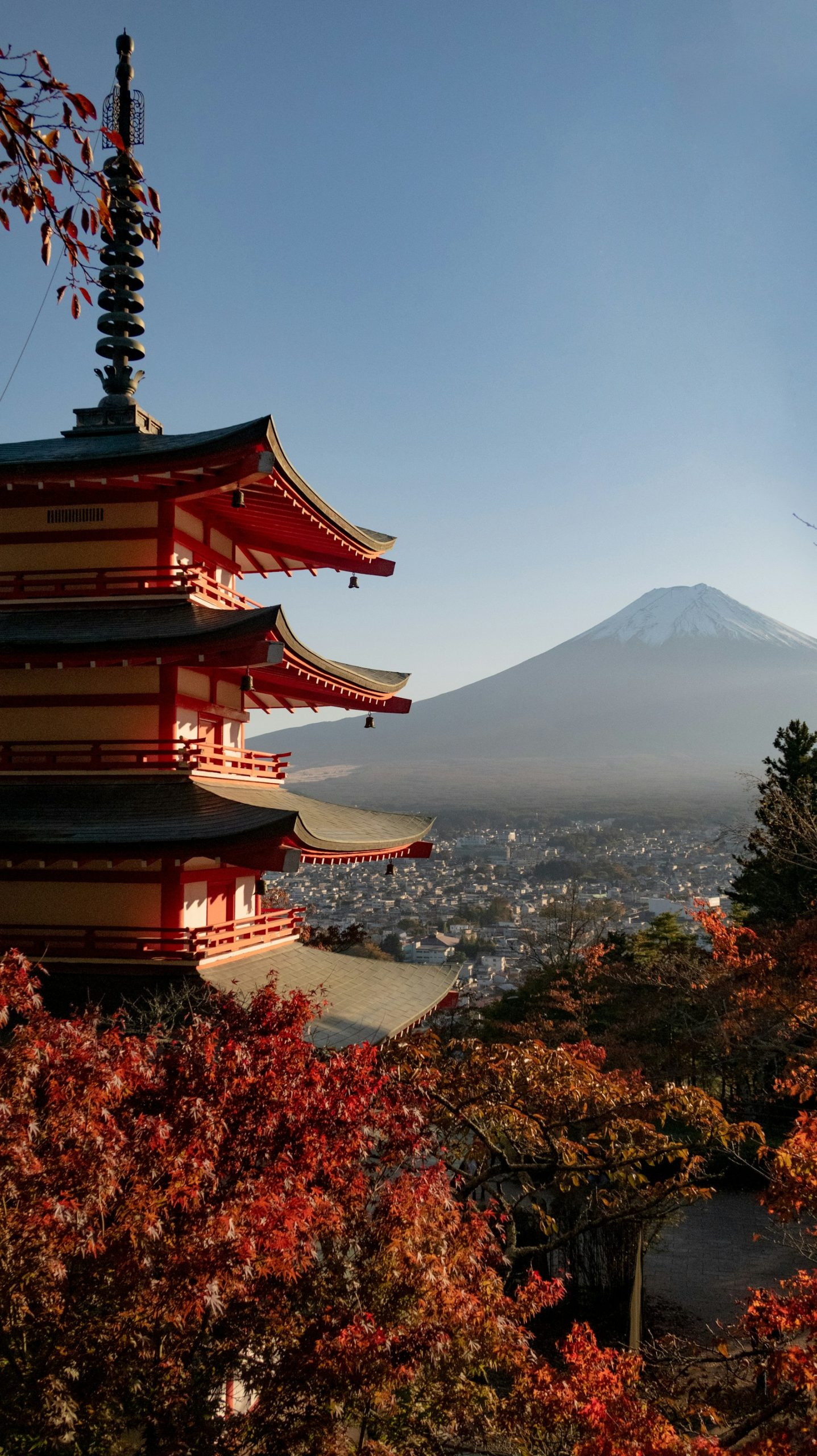
A deliberately lighter half-day cluster west of the city center — good as a wind-down before an evening flight or a slower final day, since both stops sit inside the same park and station area.
- Book Ghibli Museum tickets weeks ahead. Adults ¥1,000, students 13-18 ¥700, children 7-12 ¥400, ages 4-6 ¥100, under 3 free. Tickets are timed-entry only and sell out within hours of release — via Lawson Ticket (from the 10th of the prior month, Japan time) or JTB for overseas visitors (from 3 months ahead). There is no walk-up ticket window.
- 10:00 AM — Ghibli Museum, Mitaka. No photography allowed inside, which keeps the pace unhurried; budget about 2 hours, including the rooftop garden with the life-size Laputa robot statue. One stop from Kichijoji Station or a 15-minute walk through Inokashira Park.
- 12:30 PM — Lunch at Harmonica Yokocho or Kichijoji arcade. This tiny alleyway of stalls near Kichijoji Station has casual, quick options (¥800-1,500/person) well suited to tired legs.
- 1:30 PM — Inokashira Park & Zoo. Zoo admission ¥400 adults, free for elementary-age and younger; open 9:30 AM-5:00 PM (last entry 4:00 PM), closed Mondays. Rent a swan-shaped paddle boat on the pond (roughly ¥700/30 minutes) — one of the most photographed, low-key kid activities in Tokyo.
- 3:30 PM — Head back toward your hotel or airport. Kichijoji Station connects directly to Shinjuku via the JR Chuo Line rapid service (about 15 minutes), making onward transit simple regardless of where you’re staying.
Transfer Times Between Clusters
Because each day’s cluster sits on or near a single train line, none of these transfers require more than one change of train — the longest cross-town hop (Odaiba to the Disney Resort) still comes in under 40 minutes door to door.
| From → To | Best option | Approx. time |
|---|---|---|
| Asakusa → Ueno | Tokyo Metro Ginza Line (direct, 2 stops) | ~5 min |
| Ueno/Asakusa → Odaiba | JR Yamanote Line to Shimbashi, then Yurikamome to Daiba/Odaiba-Kaihinkoen | ~35-40 min |
| Odaiba → Tokyo Disney Resort (Maihama) | Yurikamome/Rinkai Line to Shin-Kiba, then JR Keiyo Line to Maihama (or taxi) | ~30-40 min |
| Tokyo Disney Resort (Maihama) → Shibuya | JR Keiyo Line to Tokyo, then JR Yamanote/Chuo Line to Shibuya | ~40 min |
| Shibuya → Harajuku | JR Yamanote Line (1 stop) or 20-min walk | ~3 min by train |
| Harajuku → Shinjuku | JR Yamanote Line (direct) | ~7 min |
| Shibuya → Kichijoji | Keio Inokashira Line (direct, express) | ~15-17 min |
| Shinjuku → Kichijoji | JR Chuo Line rapid (direct) | ~15 min |
Practical Notes
- IC cards for the whole family: Get a Suica or Pasmo card (physical cards or the mobile app) for every family member old enough to tap through a gate — kids under 6 ride free with a paying adult and don’t need their own card; kids 6-11 need a discounted “child” IC card (roughly half the adult fare) issued at a JR or Metro ticket counter with ID.
- Stroller logistics: Tokyo’s train stations are stroller-navigable but elevator routes are often longer than the stairs — build 5-10 extra minutes into transfers at busy stations like Shibuya and Shinjuku, and fold compact strollers during peak rush hours (7:30-9:00 AM, 5:00-7:00 PM) on the Yamanote Line if the car looks full.
- Kid-ticket pricing varies by attraction, not just age: “child” pricing typically means ages 4-12 (Ghibli Museum, teamLab) but Ueno Zoo and Inokashira Zoo make elementary-age entry free entirely — always check the specific attraction’s age brackets rather than assuming a single “kids” rate applies citywide.
- Plan a rest window every afternoon: this itinerary deliberately leaves a 60-90 minute lunch or park break in the middle of each day — Tokyo’s summer humidity and winter cold both wear down small kids faster than adults, and a sit-down meal break prevents the late-afternoon meltdown.
- Book timed-entry tickets before you leave home: teamLab Planets, Shibuya Sky, and especially the Ghibli Museum all use timed, dated entry and can sell out weeks in advance — buy these first when planning the trip, then build the day’s other stops around your booked time slot.
Recommended Travel Insurance
Japan’s excellent healthcare system is not free for visitors, and a single ER visit or hospital stay can run into the thousands of dollars. SafetyWing Nomad Insurance is a flexible, month-to-month travel medical plan built for trips like this one — worth checking before you fly.
Recommended Tours & Activities
Skip the ticket lines for teamLab Planets, Shibuya Sky, and the Ghibli Museum by booking timed-entry slots ahead of time through GetYourGuide’s Tokyo tours and activities page — most of the attractions in this itinerary can be pre-booked there in one place.
Planning more trips like this? See our full Family Trip Itineraries Guide for more destinations.

About the Author
Mina Park
Mina Park is the route planner behind RouteDays. Over the past several years she has put together more than 60 day-by-day itineraries covering Asia, Europe, and North America, tracking real transit times, entrance fees, and nightly accommodation costs on each trip so every guide reflects an actual route rather than a generic city guide. She specializes in budget-first planning: every itinerary lists the cheapest reliable option first, whether that's an overnight bus instead of a domestic flight or a guesthouse instead of a hotel chain. Before starting RouteDays she spent three years working in travel logistics, coordinating multi-city tour schedules for small group trips across Southeast Asia.
🎒 Travel Gear We Recommend
Tried-and-tested essentials that make trips like this one smoother.
As an Amazon Associate we earn from qualifying purchases, at no extra cost to you.